Currencies
Nigeria’s currency trading rises to US$4.67 billion as naira weakens
Spot trades supplied nearly all of the market’s US$4.67 billion turnover in the November 20 week. The official naira close reached its weakest level in eight months.
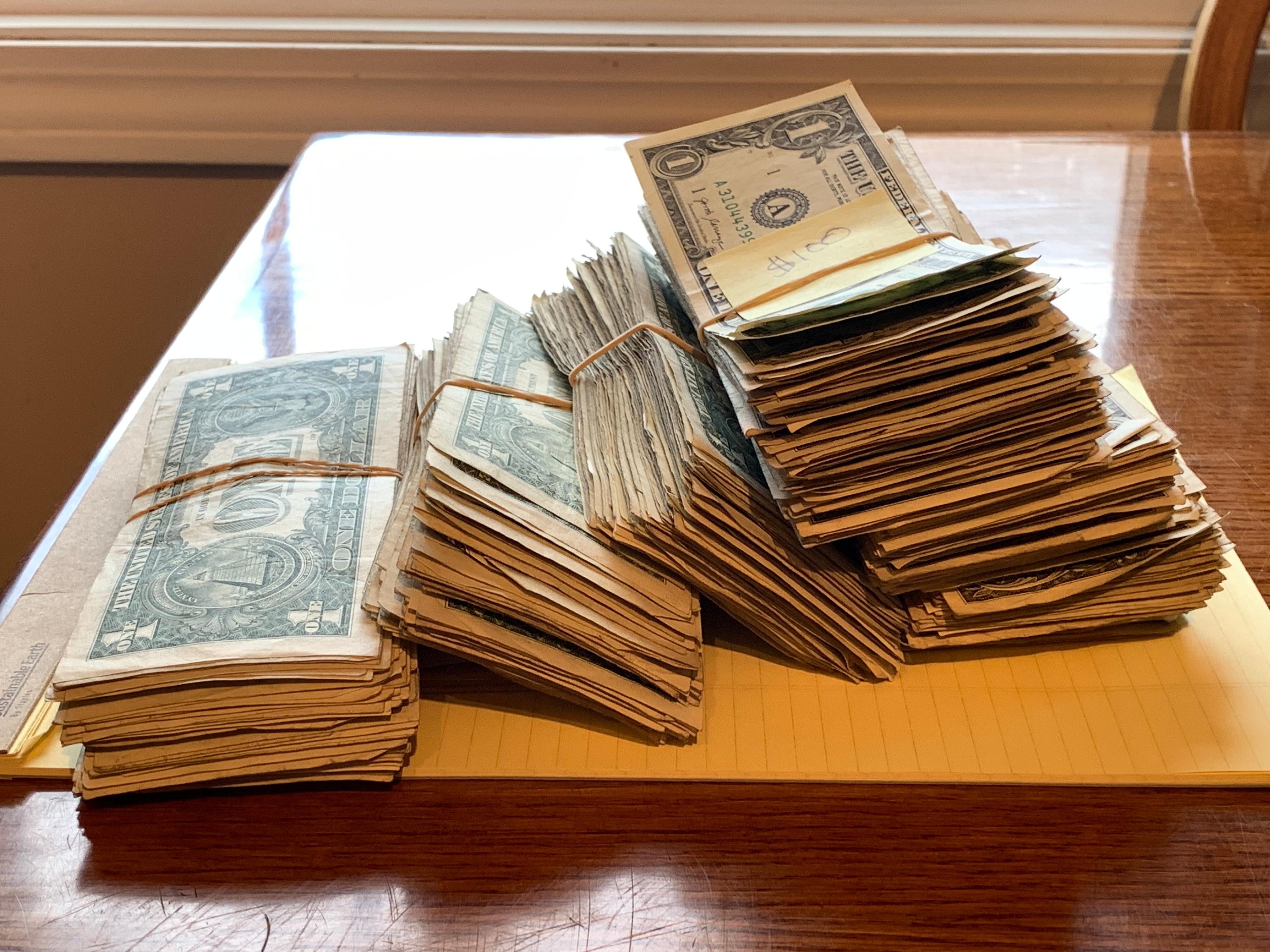
Cash workers say they can be left holding torn notes that customers refuse. The Bank of Jamaica is working on ways to improve the durability of the lowest denominations.
Bank of Jamaica received US$124.775 million in eligible bids for its US$50 million sale, clearing the auction at J$158.06 per US dollar.
A November 17 market snapshot shows a steadier dollar, reduced odds of a half-point Fed increase, weakness in risk-sensitive currencies and a modest gold rebound.
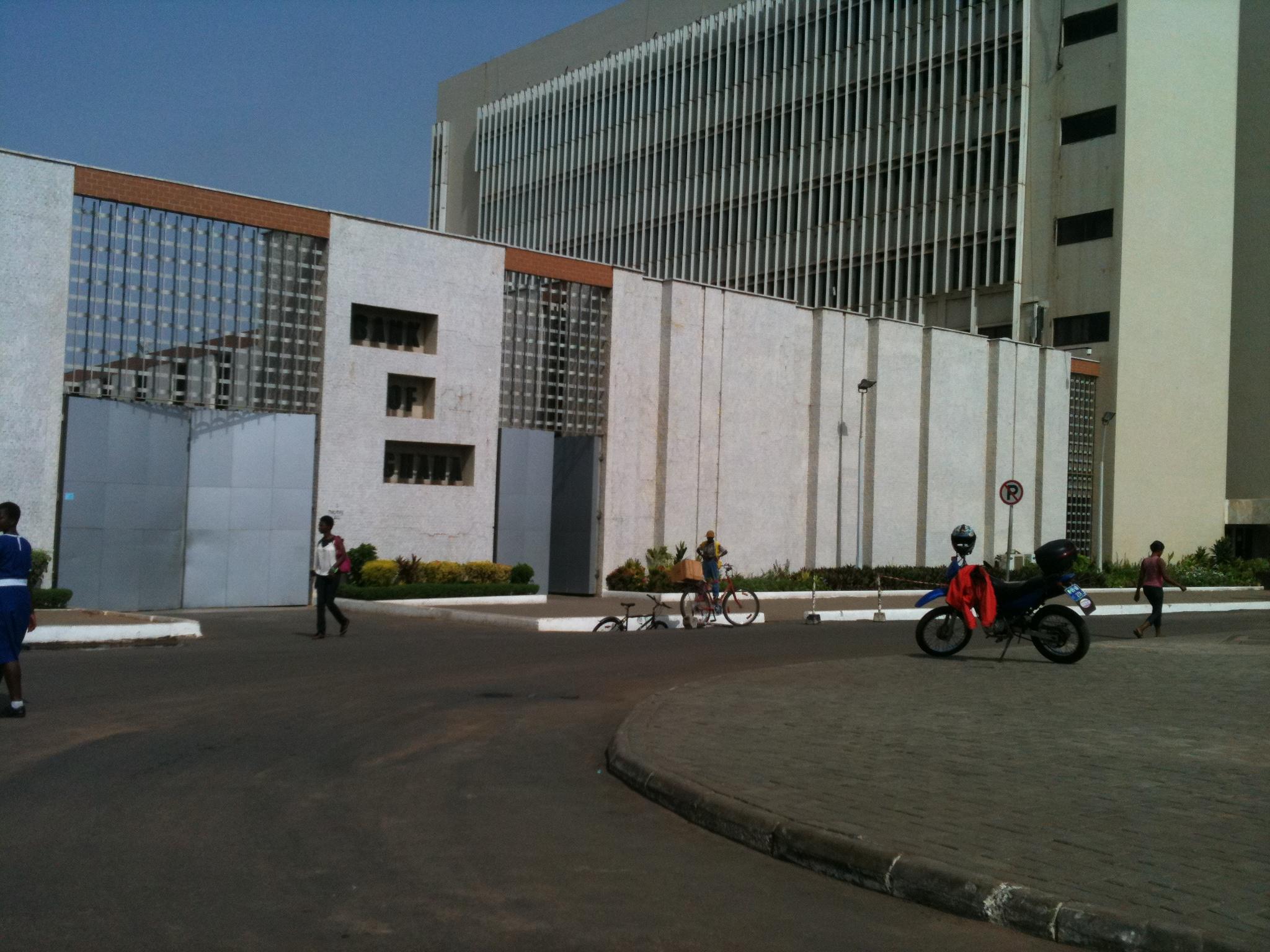
The Bank of Ghana’s Heritage Series combines new security and design features with continued validity for existing notes, while broader cash-management and legal changes are planned.
Reuters’ November 11 snapshot shows the dollar index at 102.53 as stronger-than-expected inflation and Fed commentary lift tightening expectations. Currency moves, market-implied rate paths and brokerage forecasts describe separate parts of that repricing.
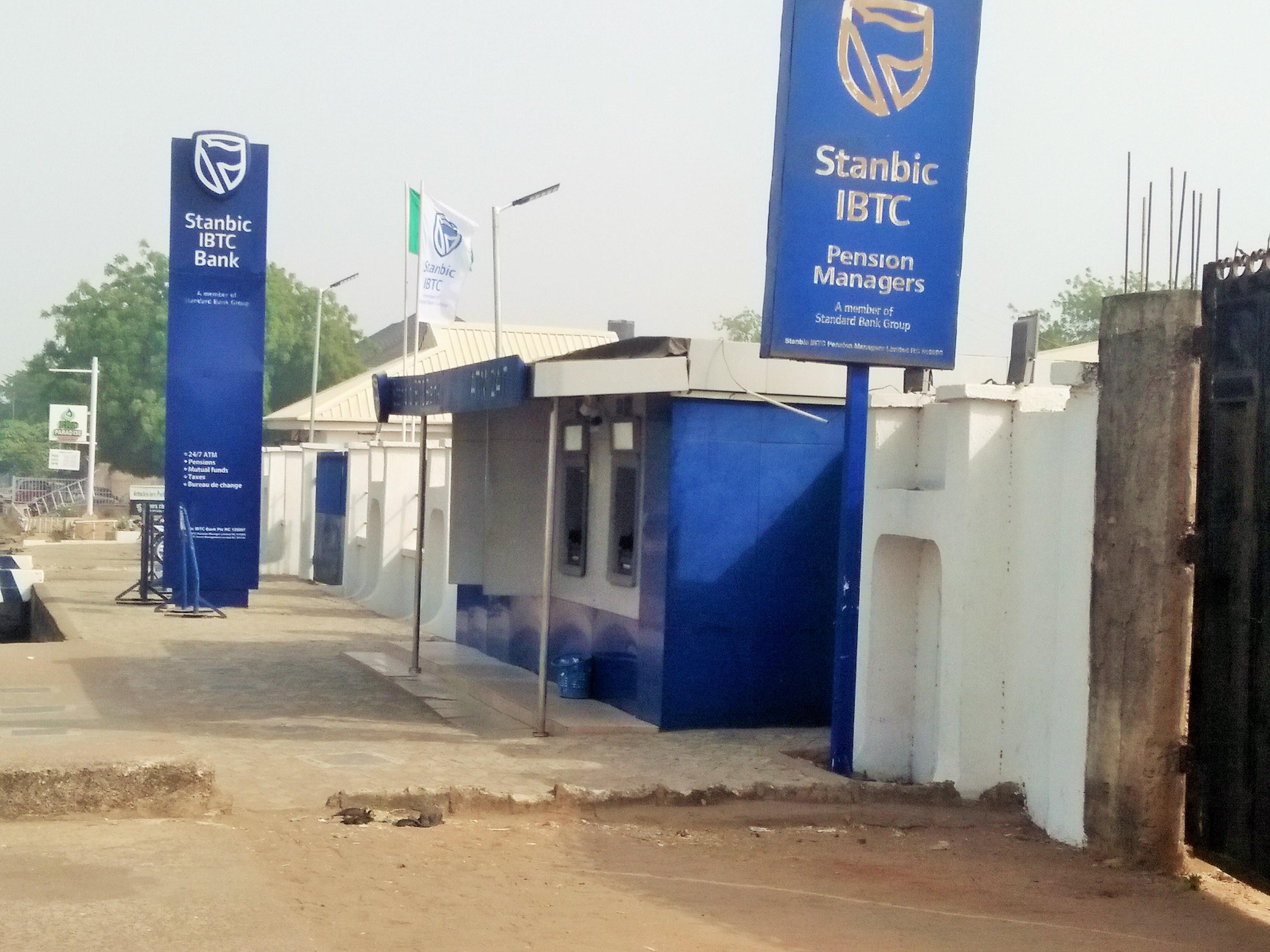
Nigerian customers can initiate naira payments for yuan settlement through Stanbic IBTC’s access to CIPS. The bank attributes potential savings and faster processing to fewer intermediaries and conversions, without publishing measured customer savings.
PNC and Coinbase are testing incoming USDC payments for eligible business clients, with automatic conversion to US dollars and a limited initial rollout.
Eligible bids were almost three times BOJ’s US$40 million October 16 offer; the bank allocated the full amount at J$157.98 per US dollar for completion on October 20.
The central bank’s US$30 million offer carries limits on resale pricing, customer eligibility and bidder concentration. It is an auction announcement, with results and settlement still ahead.
Three state-run oil firms will receive dollars through designated banks from October 12, while rupee-linked derivatives face tighter documentation and dealer cash requirements.
Jamaica’s reserves reached about US$7.2 billion as currency and deposits rose and government borrowing contributed to foreign assets.