
Jamaican cash workers say torn small banknotes are costing them money
Reported Nov 22, 2026Quickanomics write-up updated Nov 22, 2026, version 13 min read
Follow the developing story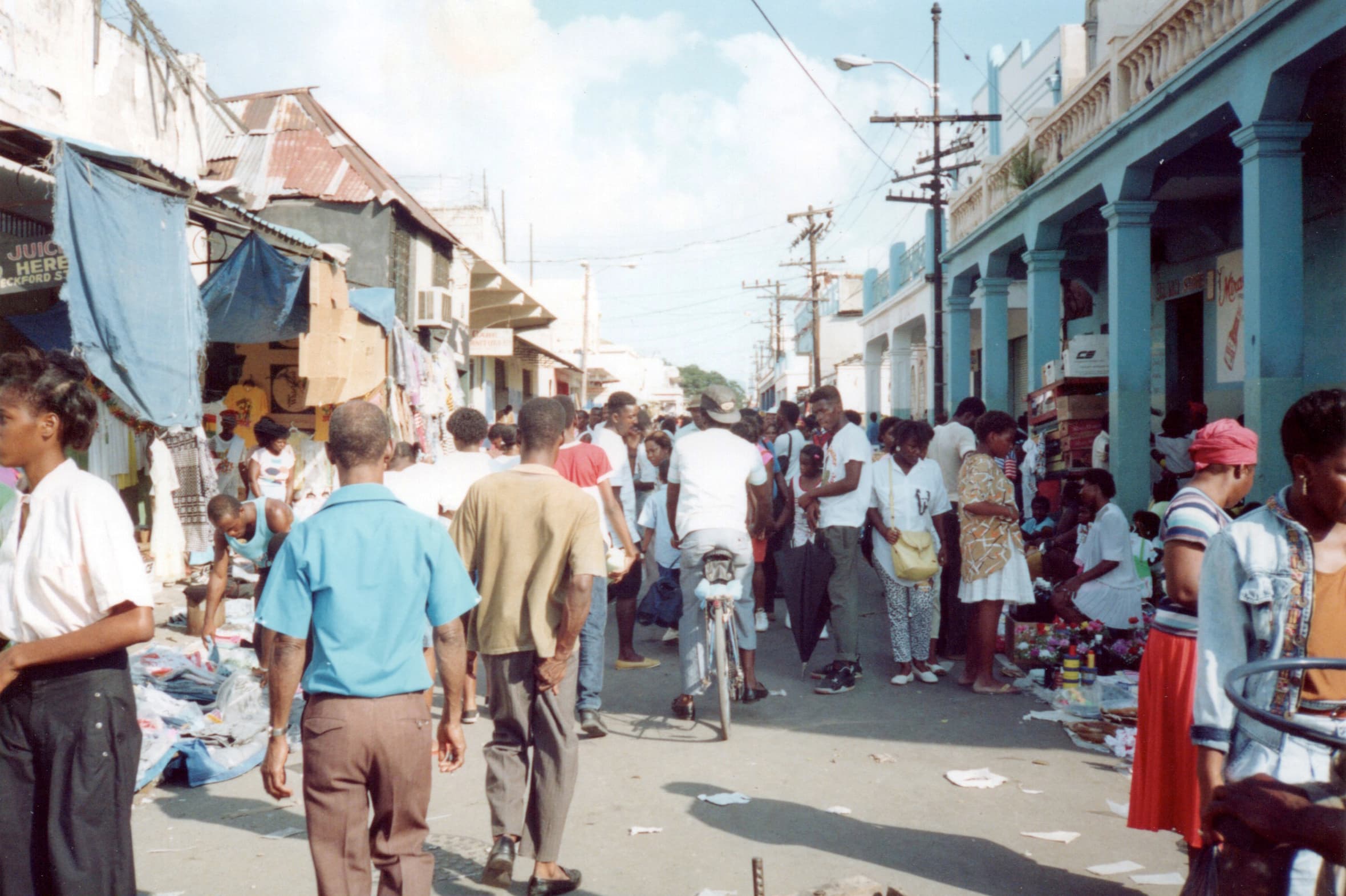
The short version
Cash workers say they can be left holding torn notes that customers refuse. The Bank of Jamaica is working on ways to improve the durability of the lowest denominations.
A torn fare can be hard to spend again
Vendors and transport workers who handle cash throughout the day told the Jamaica Observer that tears and fading in small can cut into their takings. A Coronation Market vendor estimated she had put aside close to J$5,000 in damaged low-value notes, mostly J$50 and J$100. A Half-Way-Tree taxi worker showed the newspaper small tears on the edges of fare notes and described how a slight split could worsen. A driver who works through Spanish Town said he had to absorb the loss when accepting a torn fare he could not pass on.
More than half of the vendors and customers who spoke to the newspaper said they kept some damaged notes out of circulation. A vendor said a bank declined to replace her torn J$500 and J$1,000 notes and asked for missing portions. She said that was more difficult than her experience with older notes. Another vendor said tape helped keep some less damaged notes together. The central bank’s guidance says exchanges of damaged, genuine are handled at the Bank of Jamaica, where officers assess the condition of the note.
The central bank’s figures for small and large notes
Jamaica put its polymer series into circulation on June 15, 2023. It replaced the cotton J$50, J$100, J$500, J$1,000 and J$5,000 notes and added a J$2,000 denomination. The new notes added security features and touch markings for users with impaired vision. , the finance minister at the time, put yearly banknote at about J$1.4 billion and said longer note life could reduce how often the Bank of Jamaica had to replace them.
The Observer’s June 2026 reporting put the share of notes deemed unfit at about 22% of the processed J$50, J$100 and J$500 bills, compared with about 2% of the processed J$1,000, J$2,000 and J$5,000 bills. Some cash users who spoke to the newspaper said the worst-damaged notes never made it back to a bank. The rates apply to notes processed by the central bank.
The June interview put average polymer note life above three years against about 1.5 years for cotton notes. The latest Observer account described lasting up to three years. The bank reported lower replacement rates across the series and work with De La Rue on improving future print runs while keeping the existing look and security features.
What happens when cash gets wet
Conductors and drivers on the Spanish Town–Kingston route said damp notes can stick together, leading workers to hand over more cash than intended and sometimes causing disputes. A Coronation Market vendor described the same problem when making change. Other shoppers said the plastic notes survived an accidental wash but that recipients balked at spending torn ones.
In an informal test, the Observer tried to tear a J$100 bill, which bent and wrinkled. A representative of De La Rue said a note’s age and handling could explain differences in performance and declined to discuss talks with the central bank. The Bank of Jamaica has cited staples, graffiti and rough treatment as contributors to damage.
Understand this story
Use these ideas to unpack the reporting.
Sources and reporting notes
- 1. Jamaica ObserverFragile cash (opens in a new tab)
- 2. Jamaica ObserverJamaica’s polymer money is lasting twice as long, but the smallest notes are wearing out fastest (opens in a new tab)
- 3. Bank of JamaicaDurability and security of new polymer banknotes (opens in a new tab)
What remains unclear
What improvements will the Bank of Jamaica and its printer make to the smallest notes, and when will the revised notes enter circulation?
Which sources support each point?
The Jamaica Observer reported that cash-reliant vendors, drivers and bus workers say small polymer notes tear or fade and are often refused in transactions. A Coronation Market vendor estimated she had around J$5,000 in unusable notes, mostly J$50 and J$100. A Half-Way-Tree taxi worker showed small edge tears on fare notes. A Spanish Town driver said torn notes from fares could leave him out of pocket.
More than half of the vendors and customers interviewed told the Observer that damaged notes had accumulated unspent. One vendor said a bank declined to replace her torn J$500 and J$1,000 notes because parts were missing despite remaining serial numbers. Some traders reported trying tape to keep less badly damaged notes usable.
Bus workers on the Spanish Town–Kingston route and a Coronation Market vendor reported that damp notes can stick together and that this can cause errors or disputes when making change. Some shoppers reported fewer problems and one liked that the notes survived accidental washing, but still found torn notes difficult to spend.
Jamaica introduced the polymer set in 2023, replacing the cotton J$50, J$100, J$500, J$1,000 and J$5,000 and adding a J$2,000. The change brought revised designs, security features and tactile markings. Then finance minister Nigel Clarke presented longer life and fewer replacements as a way to reduce pressure on about J$1.4 billion in annual banknote procurement.
An informal Observer attempt to tear a J$100 note produced wrinkles rather than a tear. A representative of printer De La Rue pointed to differences in age, condition and handling, and declined to discuss conversations with the central bank. The BOJ attributed some damage to rough handling, graffiti and staples, acknowledged that the lower notes are returned damaged more often and said it was seeking improvements with the printer.
In its June 3, 2026 account of the BOJ interview, the Observer put the share deemed unfit at about 22% among processed J$50, J$100 and J$500 notes, compared with about 2% among processed J$1,000, J$2,000 and J$5,000 notes. The earlier account reported an average polymer life above three years against about 1.5 years for cotton, and fewer replacements across denominations. The November report described polymer lifespan as up to three years. The share deemed unfit applies to processed notes rather than all notes in use.
The June account reported that polymer notes entered circulation on June 15, 2023. It said the manufacturer and BOJ were working on improvements to future print runs while keeping appearance and security features.
In its June 20, 2023 notice on durability and security, the Bank of Jamaica says a damaged or otherwise compromised genuine polymer note can be exchanged at the Bank of Jamaica only.
Loading discussion…