
Stanbic IBTC opens naira-to-yuan trade-payment route
Reported Nov 10, 2026Quickanomics write-up updated Nov 11, 2026, version 13 min read
Follow the developing story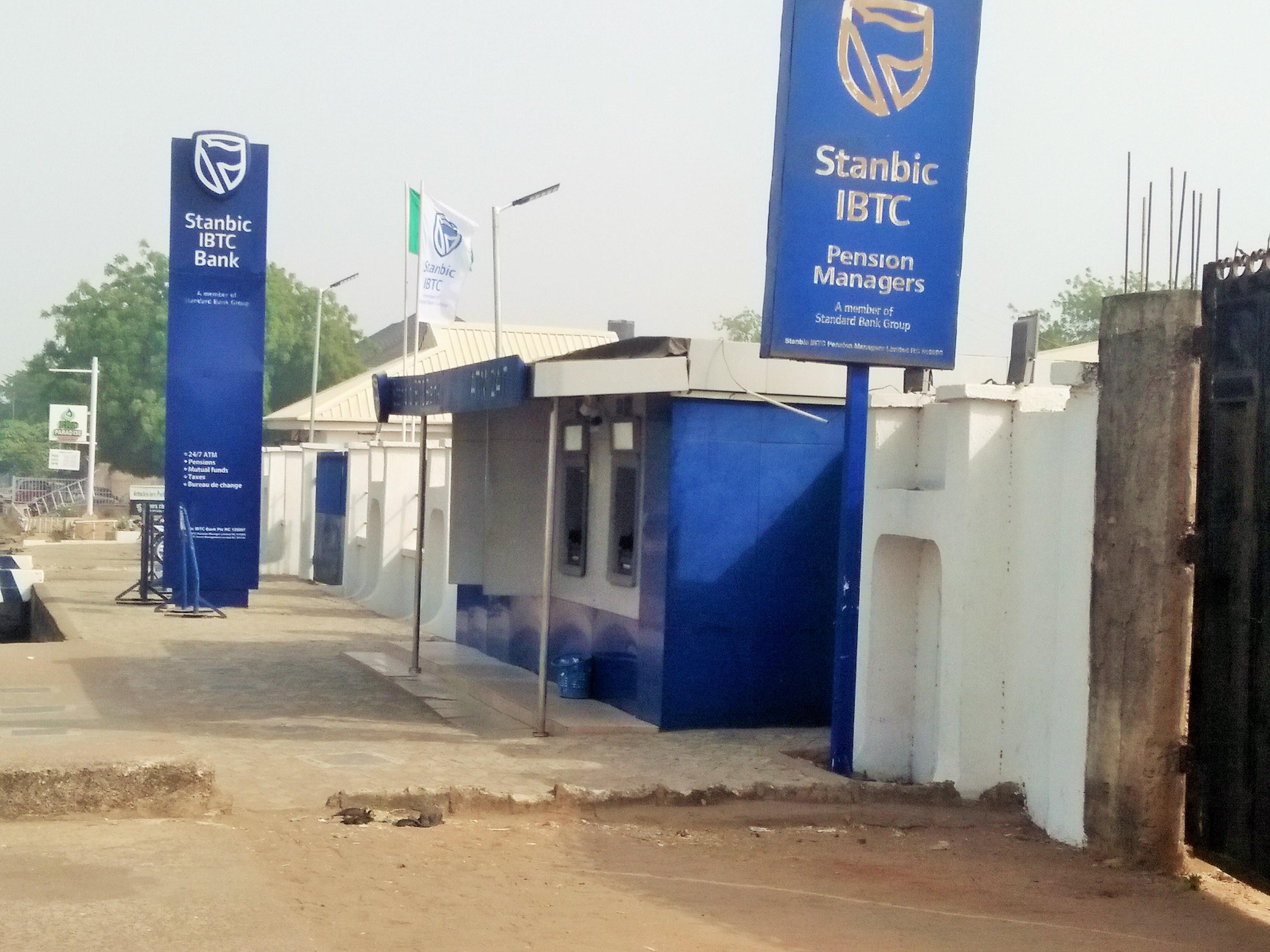
The short version
Nigerian customers can initiate naira payments for yuan settlement through Stanbic IBTC’s access to . The bank attributes potential savings and faster processing to fewer intermediaries and conversions, without publishing measured customer savings.
Stanbic uses its parent’s direct participation
Stanbic IBTC Bank has introduced a payment route intended to make it easier for Nigerian businesses to pay Chinese suppliers. Customers can initiate transactions in naira for direct settlement in yuan, or renminbi, according to PUNCH’s report of Monday’s launch in Lagos.
The route connects customers to the , known as , through Standard Bank Group. Stanbic IBTC says its parent is a direct participant in China’s renminbi payment infrastructure. The development is the Nigerian bank’s service through that infrastructure, rather than the creation of a new Chinese payment system.
Chief executive said direct participation by Standard Bank lets the Nigerian bank extend the service without requiring customers to work through multiple intermediary channels. He linked the launch to the group’s strategy of strengthening commercial and financial connections between Nigeria and China.
handles cross-border renminbi payment processing. Clearing concerns the handling of payment instructions and the obligations they create; settlement completes the transfer of funds. Stanbic is presenting a more direct route through those stages for businesses whose commercial payments ultimately need to reach China.
Timing and cost claims come from the bank
, Stanbic IBTC’s head of transaction banking, said conventional cross-border routes could take 48 to 72 hours, compared with completion within 24 hours through . He described a dedicated clearing and settlement channel that reduces the number of banking intermediaries and conversions.
said this would simplify processing, reduce transaction costs and make payments more certain. The reported times describe the bank’s assessment of the routes; they are not measured results for every customer transaction or a universal completion guarantee.
Fewer conversions can change the structure of a payment, but a naira-funded transfer into yuan still involves an exchange between the two currencies. The report does not provide a transaction-fee schedule or quantify actual customer savings. Those details would be needed to compare the full price paid on individual routes.
Regulator welcomes a trade-payment option
, director of the Central Bank of Nigeria’s Trade and Exchange Department, welcomed the initiative in remarks delivered by an assistant director from the department’s Lagos office. She described delays, repeated conversions and settlement risks associated with reliance on intermediary currencies.
called the service a private-sector contribution to the CBN’s and - policies. She also reaffirmed support for financial innovations that improve trade infrastructure and inclusion while safeguarding banking stability.
The intended users are importers, manufacturers and other Nigerian businesses regularly paying Chinese suppliers and commercial partners. China’s trading relationship with Nigeria covers consumer goods, industrial equipment and manufacturing. The launch adds a payment option for those transactions; the bank’s claims of lower costs and faster processing remain claims about how it expects that option to perform.
Understand this story
Separate the currency conversion price from the infrastructure used to complete a cross-border payment.
Sources and reporting notes
What remains unclear
What fees and customer-specific processing conditions apply to the route?
Which sources support each point?
Stanbic IBTC Bank unveiled a naira-to-yuan trade-payment service in Lagos on Monday, November 9, 2026. Nigerian businesses can initiate payments in naira for direct settlement in Chinese yuan or renminbi, PUNCH reported on November 11 local time; explicit source publication metadata is November 10 at 23:51:27 UTC.
The service connects Nigerian customers to the Cross-border Interbank Payment System (CIPS) through Stanbic IBTC’s parent Standard Bank Group, which the bank says is a direct CIPS participant. Chief executive Wole Adeniyi said this reduces the need to navigate multiple intermediary payment channels and supports commercial and financial links between Nigeria and China.
Jesuseun Fatoyinbo, Stanbic IBTC’s head of transaction banking, said conventional international payment routes can take 48 to 72 hours while CIPS transactions could be completed within 24 hours. He said the dedicated renminbi clearing and settlement route reduces banking intermediaries and currency conversions, simplifies processing, reduces costs and improves certainty. These are launch participants’ claims, not guaranteed completion times or independently measured savings.
CBN Trade and Exchange Department director Aderinola Shonekan, represented by assistant director Nnenna Ezekannagha from its Lagos office, said Nigerian firms had faced delays, multiple conversions and settlement risks through intermediary currencies. She welcomed the service as a private-sector contribution to trade facilitation and currency diversification, while affirming support for innovation, financial inclusion and banking stability.
The intended users include Nigerian importers, manufacturers and firms paying Chinese suppliers and partners. China is a major Nigerian trading partner across manufacturing, consumer goods and industrial equipment. The report gives no transaction-fee schedule or measured cost-saving amount.
Loading discussion…