
Britain’s grid bottlenecks drive a £47.9 million balancing bill
Reported Oct 15, 2026Quickanomics write-up updated Oct 18, 2026, version 13 min read
Follow the developing story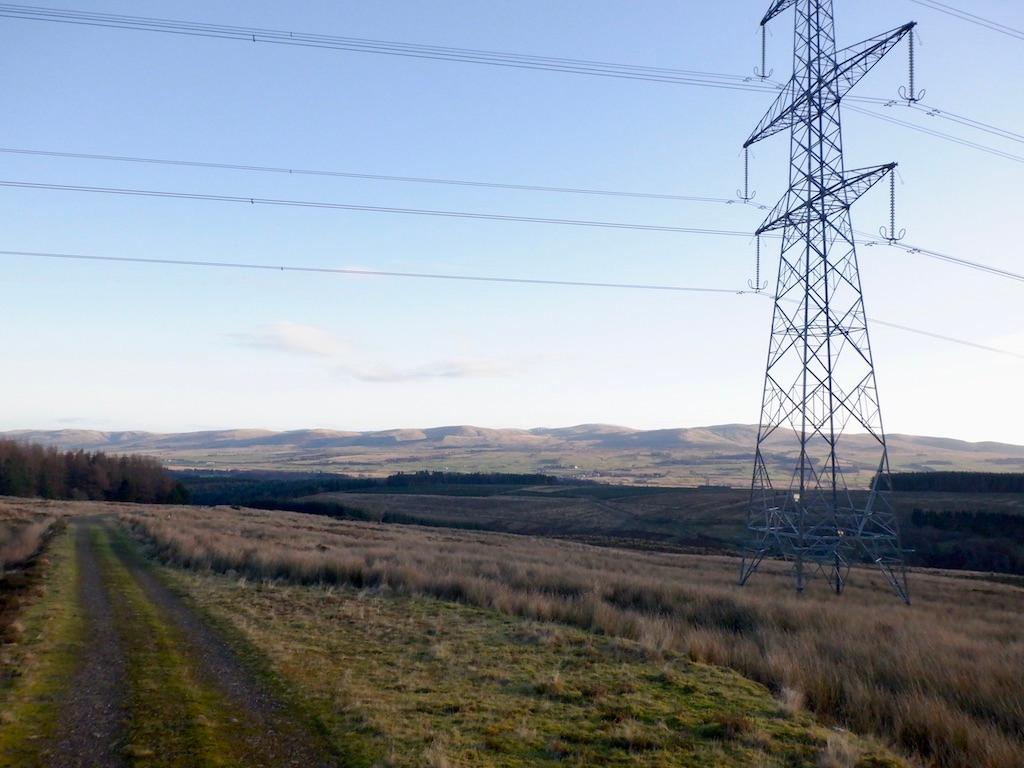
The short version
forced Britain to pay for wind and reductions while buying generation elsewhere, pushing daily close to £50m.
A costly mismatch between location and demand
The cost of keeping Great Britain’s electricity system balanced reached £47.9 million on October 14 as left available renewable power unable to reach customers who needed it. The Guardian reported the figure the following day, describing one of the highest daily costs since the early months of the Ukraine crisis in 2022.
The payments included £1.6 million for one half-hour. They followed September of £505 million, the highest monthly figure reported, with costs expected to reach £3.2 billion over the next year. Balancing charges feed into household electricity bills.
According to consultancy LCP Delta, wind and facilities with about 9 of capacity were paid not to generate that Wednesday. The consultancy compared that capacity with the electricity needs of more than 8 million typical households. A measures power, so the comparison is about capacity rather than a measured daily energy output.
The operator instead called on gas and biomass plants and bought more electricity from Europe over high-voltage subsea links. , LCP Delta’s head of power trading, said the overall system was not short of supply. Its problem was transporting electricity to where demand was located.
Balancing has a geographic constraint
Balancing involves adjusting generation and demand as conditions change. It also requires the operator to respect the physical limits of the network. NESO’s public explanation describes how northern generation can be turned down when the cables needed to carry it south do not have enough safe capacity.
The resulting payment can be accompanied by a separate payment to increase generation elsewhere. Electricity available in one part of the country therefore does not eliminate the cost of securing supply in another.
The Guardian said Great Britain’s £150 billion network upgrade was failing to keep pace with new renewable projects. The recurring constraints include high-voltage links connecting Scotland to areas of demand farther south.
The report also described recent emergency requests to France for electricity on a Monday and Friday in the previous week. NESO said supplies remained secure during both separate incidents, the control room acted quickly using established tools, and neither was evidence of a wider problem in Britain’s electricity system.
An investigation and a disputed account of summer conditions
The debate also follows a difficult summer period when heat reduced renewable output and raised electricity demand for cooling. NESO brought in independent investigators after whistleblowers alleged a cover-up of a near-blackout during record temperatures in late June.
Conservative MP raised the allegations in Parliament, according to the Guardian. They are claims under scrutiny, rather than established findings of a cover-up or a blackout.
NESO chief executive told an industry conference on October 14 that lessons would come from Ofgem’s review of the period. He said no customers were disconnected, system frequencies stayed within statutory limits and the control-room teams had performed well in difficult conditions.
NESO said timely delivery of transmission infrastructure was the biggest opportunity to reduce and could halve them by the end of the decade. That remains the operator’s projection. Its account links the prospective saving to new network capacity, rather than treating the existence of renewable generators as sufficient on its own.
Understand this story
Use these ideas to unpack the reporting.
- Electricity balancing
The paid operational adjustments behind the £47.9 million daily bill.
- Electricity transmission constraint
The limits preventing available northern generation from reaching demand farther south.
- Electricity curtailment
Payments for available wind or hydropower generation to reduce output.
Sources and reporting notes
- 1. The GuardianCost of balancing Great Britain’s power grid reaches nearly £50m a day (opens in a new tab)
- 2. National Energy System OperatorEnergy explained: the costs of balancing Britain’s electricity system (opens in a new tab)
Which sources support each point?
The Guardian reported on October 15, 2026 that Great Britain’s grid-balancing costs reached £47.9 million on Wednesday, October 14, as transmission bottlenecks required wind generation to be turned down and other plants to run elsewhere.
The daily amount included £1.6 million for one half-hour and was among the highest since early 2022 during the Ukraine crisis. September balancing costs totalled £505 million, the highest monthly figure reported, while costs over the next year were expected to reach £3.2 billion.
The report put the power-network upgrade at £150 billion and said it was not keeping pace with new renewable generation. Balancing costs feed into consumer bills.
LCP Delta estimated wind and hydropower facilities with about 9 gigawatts of capacity were paid not to generate on Wednesday, equivalent in its comparison to more than 8 million typical households. The operator instead used gas, biomass and additional imports from Europe over subsea links.
Shivam Malhotra, LCP Delta’s head of power trading, said overall supply was not tight; the problem was transporting power to where it was needed. Scotland-to-south transmission capacity was described as a recurring constraint.
The report described two recent calls for emergency electricity help from France, on Monday and Friday the previous week. NESO said supplies were secure in both separate incidents, its control room used established tools, and these were not signs of a wider system problem.
Summer heat had reduced renewable output while increasing cooling demand. NESO brought in independent investigators after whistleblower allegations of a cover-up of a near-blackout during late June’s record heat. The allegations had been raised in Parliament by Claire Coutinho; allegations are not established findings.
NESO chief executive Fintan Slye told an industry conference on Wednesday that lessons would emerge from Ofgem’s review. He said no customers were disconnected, frequencies remained within legal limits, and staff had managed difficult conditions well.
NESO said timely new transmission infrastructure was the largest opportunity to reduce balancing costs and could halve them by the end of the decade; this was an operator forecast, not a guaranteed saving.
NESO’s April 30, 2026 explanation says balancing adjusts generation and demand in real time while respecting the physical limits of the network. When northern output cannot reach southern demand safely, the operator can pay generators to reduce output and pay alternatives elsewhere to increase it. Network expansion is the main proposed way to relieve these constraints; balancing costs are recovered through electricity bills.
Loading discussion…