
Loading the context…
Loading the context…
Reported Oct 8, 2026Quickanomics write-up updated Oct 11, 2026, version 33 min read
Follow the developing storyExpanded original Quickanomics reporting with the source’s material findings, comparisons and qualifications at all three reading depths.
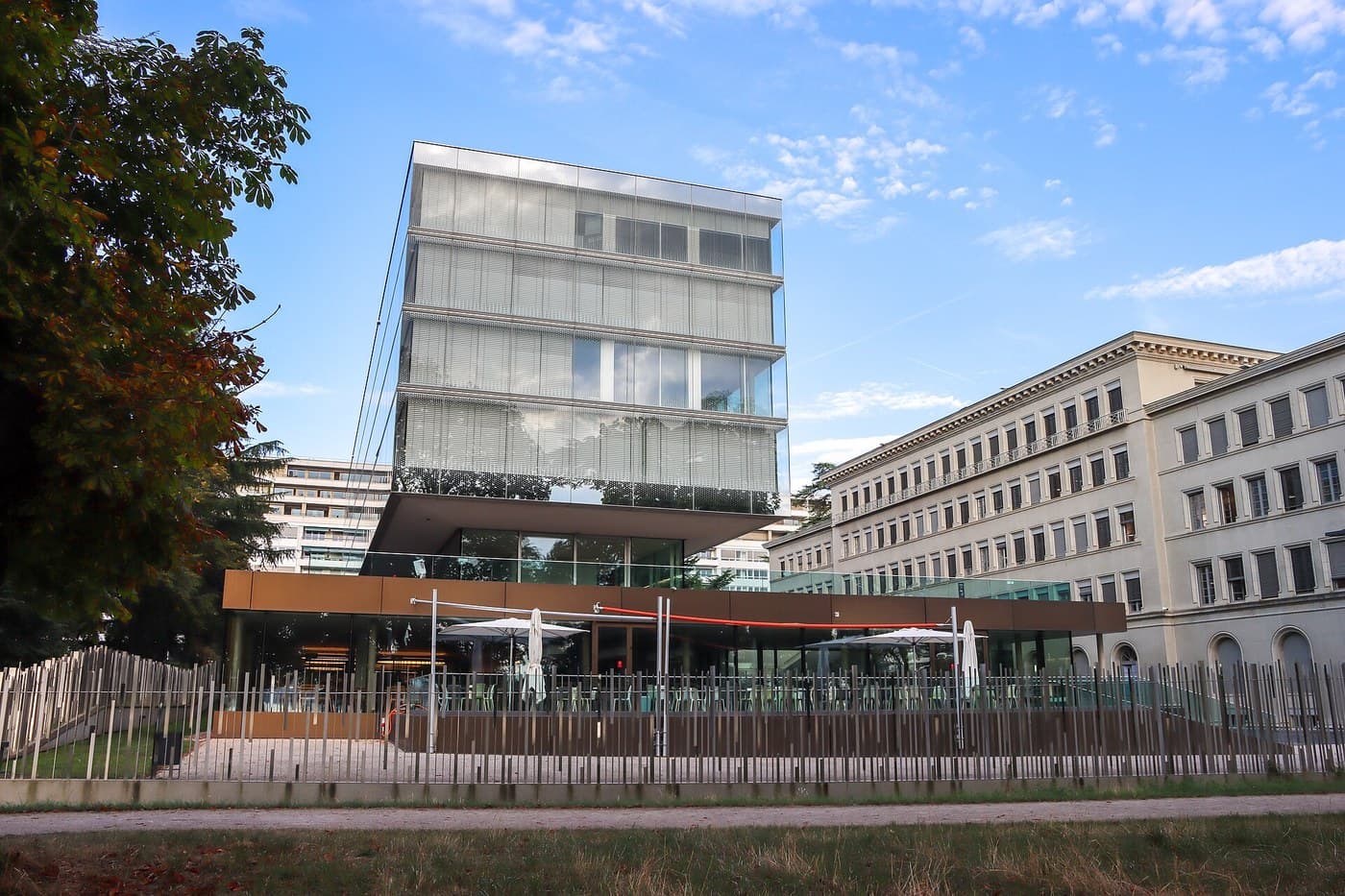
Stronger AI-related goods trade and alternative supply routes support the upgrade, while services and regional forecasts remain uneven.
The WTO has upgraded its 2026 merchandise trade-volume forecast to 3.9 per cent from the 1.9 per cent projected in March, while cutting expected services trade-volume growth to 3.3 per cent from 4.8 per cent.
The October 8 update forecasts goods growth of 4.1 per cent in 2027 and services growth of 6.4 per cent. These are volume forecasts and should remain distinct from current-money export values and from already observed trade.
Actual first-half goods trade volume increased 3.5 per cent. AI-related semiconductor and server trade grew 67 per cent year over year and accounted for 47 per cent of global merchandise trade growth. The contribution figure refers to growth, not to a claim that those products represent nearly half of all global trade.
The WTO also forecasts world growth of 2.6 per cent in 2026 and 2.9 per cent in 2027. AI infrastructure capital investment is expected to rise at least 30 per cent this year and 10–20 per cent next year. That projected investment path is part of the outlook, rather than a realised annual total.
First-half Middle Eastern crude-oil exports fell 24 per cent and LNG exports 47 per cent. Additional supply elsewhere limited the declines in global exports to six per cent for crude oil and one per cent for LNG.
The regional and global figures illustrate different outcomes from the same disruption. Supply substitution elsewhere can cushion the global result while the affected region still records a large decline.
Nitrogen-fertiliser imports were 2.8 per cent below the recent average, while phosphatic fertiliser imports were 2.2 per cent above it. Container throughput increased 3.9 per cent year to date through July. The update describes adaptation through alternative ports and energy and fertiliser supply, alongside the demand associated with AI investment.
Commercial services export values rose 14 per cent year over year in the first quarter and ten per cent in the second. Travel spending growth slowed from 15 per cent to five per cent. Tourist arrivals fell 0.8 per cent in the second quarter but rose 0.4 per cent in the first half, according to the UN Tourism figures cited by the WTO.
Computer-services export values grew 18 per cent in the first quarter and an estimated 12 per cent in the second. Financial-services exports grew 14 per cent in the second quarter. These sector findings concern nominal values, while the headline services forecast concerns volume.
Spending growth, visitor counts and price-adjusted trade each describe a different part of the services account. Retaining the labels avoids interpreting the travel spending slowdown as an identical change in tourist numbers.
Goods-export volume is forecast to rise 9.9 per cent in Asia, 5.7 per cent in North America, 5.6 per cent in Africa and 3.4 per cent in South America. Declines are forecast at 0.1 per cent in Europe, 3.9 per cent in CIS and 17.2 per cent in the Middle East.
Goods-import volume forecasts are 9.5 per cent for Asia, 8.9 per cent for Africa, 8.8 per cent for CIS, 1.4 per cent for North America and 0.5 per cent for Europe, with a 15.4 per cent decline for the Middle East. Import and export paths differ within regions as well as between them.
For services exports, the forecasts are Europe 4.6 per cent, Asia four per cent, Africa 3.1 per cent, North America and CIS 1.7 per cent each, and South/Central America and the Caribbean 1.3 per cent. The Middle East is forecast to decline 10.3 per cent. Europe accounts for more than half of expected global services-export growth.
Director-General Ngozi Okonjo-Iweala calls for policy stability. That is the WTO leadership’s stated position within an outlook combining stronger goods growth with disruption and uneven regional performance.
Reports from the same original source are not independent confirmation.
The WTO’s October 8, 2026 update forecasts merchandise trade-volume growth of 3.9 per cent in 2026, up from March’s 1.9 per cent forecast, and 4.1 per cent in 2027. Services trade-volume growth is forecast at 3.3 per cent in 2026, down from March’s 4.8 per cent, and 6.4 per cent in 2027.
The WTO’s October 8, 2026 update forecasts merchandise trade-volume growth of 3.9 per cent in 2026, up from March’s 1.9 per cent forecast, and 4.1 per cent in 2027. Services trade-volume growth is forecast at 3.3 per cent in 2026, down from March’s 4.8 per cent, and 6.4 per cent in 2027.World Trade Organization: AI boom and trade resilience to Middle East crisis lift outlook, but gains to be uneven
Actual first-half merchandise trade-volume growth was 3.5 per cent. Trade in AI-related semiconductors and servers increased 67 per cent year over year and accounted for 47 per cent of global merchandise trade growth, not 47 per cent of all trade value.
Actual first-half merchandise trade-volume growth was 3.5 per cent. Trade in AI-related semiconductors and servers increased 67 per cent year over year and accounted for 47 per cent of global merchandise trade growth, not 47 per cent of all trade value.World Trade Organization: AI boom and trade resilience to Middle East crisis lift outlook, but gains to be uneven
First-half Middle Eastern crude-oil exports fell 24 per cent and LNG exports 47 per cent; increased supply elsewhere limited global crude-oil exports’ decline to six per cent and LNG’s decline to one per cent.
First-half Middle Eastern crude-oil exports fell 24 per cent and LNG exports 47 per cent; increased supply elsewhere limited global crude-oil exports’ decline to six per cent and LNG’s decline to one per cent.World Trade Organization: AI boom and trade resilience to Middle East crisis lift outlook, but gains to be uneven
Nitrogen-fertiliser imports were 2.8 per cent below the recent average, while phosphatic fertiliser imports were 2.2 per cent higher. Container throughput rose 3.9 per cent year to date through July.
Nitrogen-fertiliser imports were 2.8 per cent below the recent average, while phosphatic fertiliser imports were 2.2 per cent higher. Container throughput rose 3.9 per cent year to date through July.World Trade Organization: AI boom and trade resilience to Middle East crisis lift outlook, but gains to be uneven
Commercial services export values rose 14 per cent year over year in the first quarter and ten per cent in the second. Travel spending growth slowed from 15 per cent to five per cent; tourist arrivals fell 0.8 per cent in the second quarter but rose 0.4 per cent in the first half, citing UN Tourism.
Commercial services export values rose 14 per cent year over year in the first quarter and ten per cent in the second. Travel spending growth slowed from 15 per cent to five per cent; tourist arrivals fell 0.8 per cent in the second quarter but rose 0.4 per cent in the first half, citing UN Tourism.World Trade Organization: AI boom and trade resilience to Middle East crisis lift outlook, but gains to be uneven
Computer-services export values grew 18 per cent in the first quarter and an estimated 12 per cent in the second. Financial-services exports grew 14 per cent in the second quarter. These nominal value findings are different from the services volume forecasts.
Computer-services export values grew 18 per cent in the first quarter and an estimated 12 per cent in the second. Financial-services exports grew 14 per cent in the second quarter. These nominal value findings are different from the services volume forecasts.World Trade Organization: AI boom and trade resilience to Middle East crisis lift outlook, but gains to be uneven
The WTO forecasts world GDP growth of 2.6 per cent in 2026 and 2.9 per cent in 2027, alongside AI infrastructure capital-investment growth of at least 30 per cent in 2026 and 10–20 per cent in 2027. These are forecasts, not realised outcomes.
The WTO forecasts world GDP growth of 2.6 per cent in 2026 and 2.9 per cent in 2027, alongside AI infrastructure capital-investment growth of at least 30 per cent in 2026 and 10–20 per cent in 2027. These are forecasts, not realised outcomes.World Trade Organization: AI boom and trade resilience to Middle East crisis lift outlook, but gains to be uneven
Regional merchandise export-volume forecasts for 2026 are Asia 9.9 per cent, North America 5.7 per cent, Africa 5.6 per cent, South America 3.4 per cent, Europe minus 0.1 per cent, CIS minus 3.9 per cent and the Middle East minus 17.2 per cent.
Regional merchandise export-volume forecasts for 2026 are Asia 9.9 per cent, North America 5.7 per cent, Africa 5.6 per cent, South America 3.4 per cent, Europe minus 0.1 per cent, CIS minus 3.9 per cent and the Middle East minus 17.2 per cent.World Trade Organization: AI boom and trade resilience to Middle East crisis lift outlook, but gains to be uneven
Regional merchandise import-volume forecasts are Asia 9.5 per cent, Africa 8.9 per cent, CIS 8.8 per cent, North America 1.4 per cent, Europe 0.5 per cent and the Middle East minus 15.4 per cent.
Regional merchandise import-volume forecasts are Asia 9.5 per cent, Africa 8.9 per cent, CIS 8.8 per cent, North America 1.4 per cent, Europe 0.5 per cent and the Middle East minus 15.4 per cent.World Trade Organization: AI boom and trade resilience to Middle East crisis lift outlook, but gains to be uneven
Services export forecasts are Europe 4.6 per cent, Asia four per cent, Africa 3.1 per cent, North America and CIS each 1.7 per cent, South/Central America and the Caribbean 1.3 per cent, and the Middle East minus 10.3 per cent. Europe accounts for more than half of forecast global services export growth.
Services export forecasts are Europe 4.6 per cent, Asia four per cent, Africa 3.1 per cent, North America and CIS each 1.7 per cent, South/Central America and the Caribbean 1.3 per cent, and the Middle East minus 10.3 per cent. Europe accounts for more than half of forecast global services export growth.World Trade Organization: AI boom and trade resilience to Middle East crisis lift outlook, but gains to be uneven
The update describes adaptation through alternative ports and energy/fertiliser supply alongside AI investment, with uneven regional and services outcomes. Director-General Ngozi Okonjo-Iweala calls for policy stability; that is her stated position, not an independently demonstrated guarantee of trade growth.
The update describes adaptation through alternative ports and energy/fertiliser supply alongside AI investment, with uneven regional and services outcomes. Director-General Ngozi Okonjo-Iweala calls for policy stability; that is her stated position, not an independently demonstrated guarantee of trade growth.World Trade Organization: AI boom and trade resilience to Middle East crisis lift outlook, but gains to be uneven
Actual full-year trade volumes and the distribution of gains remain uncertain.
Answers use this article’s sources. They can explain what is known and what is missing.
Sign in to ask a question