
Vladimir Putin adds three JTI businesses to Russian temporary administration
Reported Nov 7, 2026Quickanomics write-up updated Nov 8, 2026, version 12 min read
Follow the developing story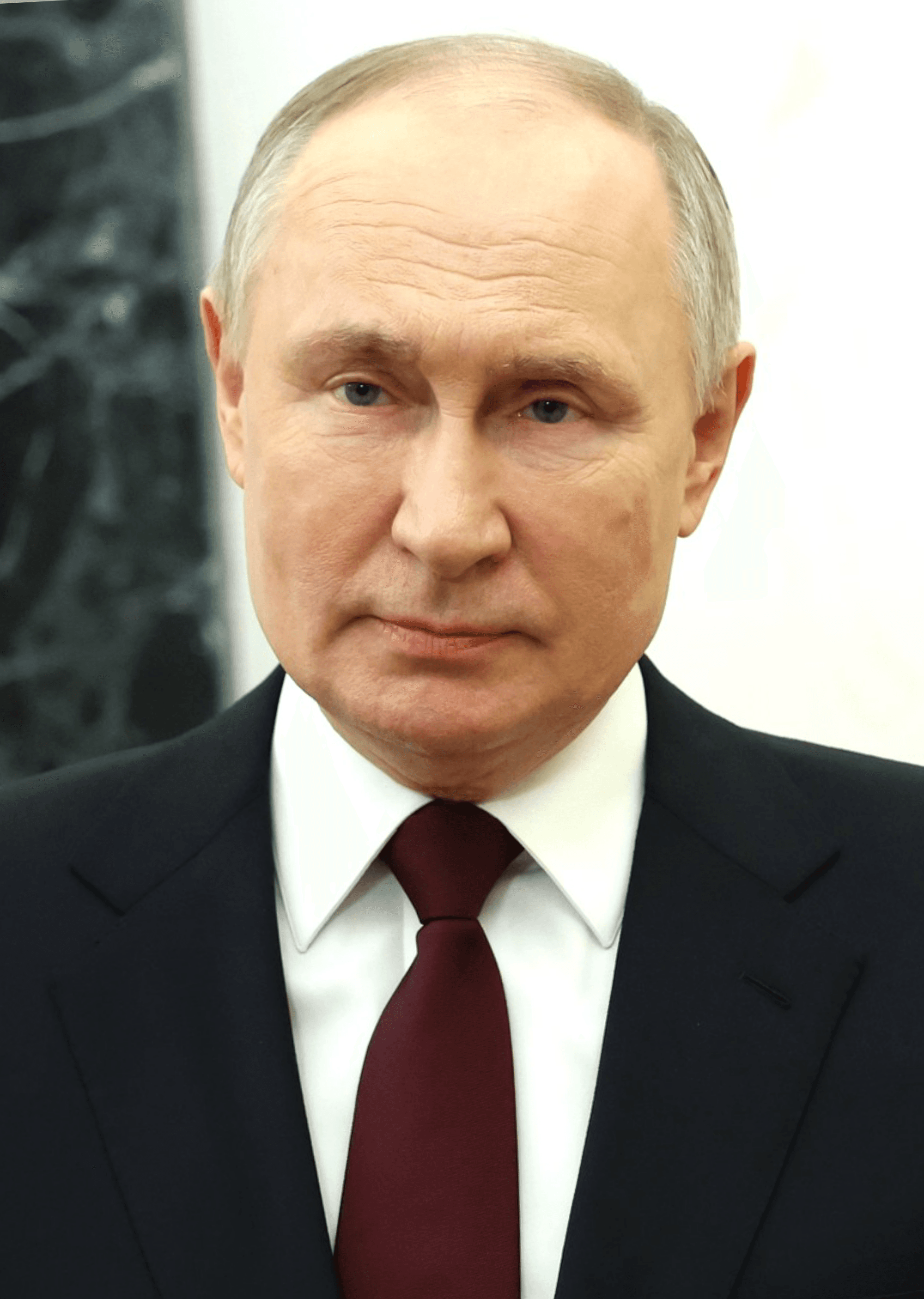
The short version
The intervention reaches import, management and holding businesses, while JTI assesses its options and the decrees give no reason for the move.
A second decree widens the intervention
Russian President has added three Japan Tobacco International businesses to the assets placed under in Russia. The expansion follows an initial decree signed on Thursday that put stakes in four businesses under the management of Russian company Industrial Assets.
Reuters reported the development through CNA on November 7. It said a separate decree published overnight extended the measure to three further companies owned by JTI Investments Sarl. Interfax described those companies as handling import, management and holding functions.
The change therefore reaches beyond the businesses included in the first order. concerns control of the affected operations; the reported decrees are not an agreed commercial sale by the Japanese tobacco group.
JTI, part of Japan Tobacco Inc., is described in the dispatch as Russia’s largest tobacco manufacturer. It becomes another foreign company whose control of local operations has been displaced as Moscow extends its intervention in overseas-owned assets.
Operating assurances and the group’s response
Industrial Assets head told Russian business outlet RBC on Saturday that the company would seek to maintain production, preserve the existing workforce and fulfil obligations to employees and business partners without interruption.
After the first decree, JTI said it was assessing the situation and its options. The company said it was prioritising stakeholders, especially its employees.
The decrees gave no explanation for the intervention. Although the Kremlin has previously linked comparable actions involving foreign assets to steps taken by countries it considers hostile, the reporting does not identify that as a reason set out in these particular orders.
A profit exposure larger than the sales share
The Japanese government owns around 37 per cent of Japan Tobacco Inc., the parent whose cigarette brands include Winston and Camel. Reuters says the Russian business contributes about 10 per cent of the group’s and roughly 25 per cent of its .
measures sales before the associated costs are deducted. measures earnings from running the business after and before financing and income-tax charges under the relevant accounting presentation. The Russian business’s reported profit share is therefore a different measure from its share of sales.
Those proportions help explain the commercial exposure behind JTI’s response. The report does not identify an agreed route for restoring control; the company’s stated position remains that it is examining the situation and its options.
Understand this story
Read the different sales and operating-earnings exposures behind the Russian intervention.
Sources and reporting notes
- 1. Channel NewsAsiaReuters via CNA: Putin expands temporary administration of Japan Tobacco assets (opens in a new tab)
What remains unclear
How JTI will respond and how control of the affected businesses will ultimately be resolved.
Which sources support each point?
Russian President Vladimir Putin expanded temporary administration of Japan Tobacco International businesses in Russia, adding three companies after Thursday’s original order covered stakes in four businesses. Reuters reported the expansion via CNA on November 7, 2026.
The original decree placed the four businesses under Russian company Industrial Assets. The three additional companies were owned by JTI Investments Sarl and performed import, management and holding functions, according to Interfax as relayed by Reuters.
RBC quoted Industrial Assets head Anton Pivovarov on Saturday saying it would seek to maintain production, preserve existing teams and meet obligations to employees and business partners without disruption. Those are management intentions, not verified operating outcomes.
The decrees gave no reason for the move. The Kremlin had previously linked similar actions against foreign assets to steps taken by countries it regarded as hostile; the reporting did not establish that as a reason stated in these particular decrees.
After the first decree, JTI said it was assessing the situation and its options, with stakeholders and especially employees its priority. JTI is part of Japan Tobacco Inc. and is described by Reuters as Russia’s largest tobacco manufacturer.
The Japanese government owns around 37 per cent of Japan Tobacco Inc., whose brands include Winston and Camel. Reuters says Russia accounts for about 10 per cent of Japan Tobacco Group revenue and roughly 25 per cent of operating profit.
Loading discussion…