
Vietnam pushes banks to cut lending rates as funding costs stay high
Reported Oct 19, 2026Quickanomics write-up updated Oct 19, 2026, version 14 min read
Follow the developing story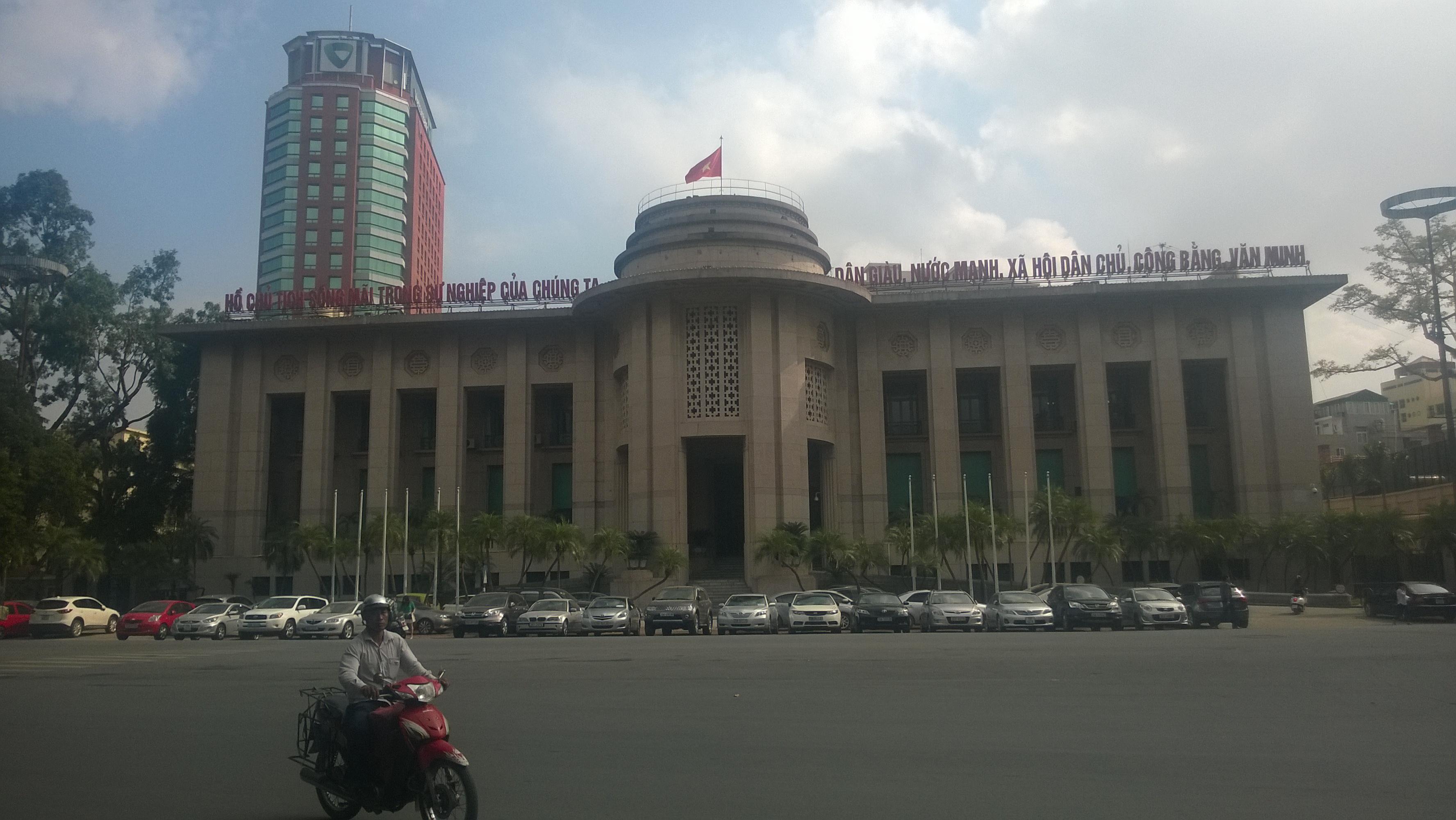
The short version
Vietnam’s renewed rate-cut directive runs into a deposit-funding squeeze, with banks offering selective relief while analysts question the scope for broader easing.
The directive meets a funding squeeze
Vietnam is pressing banks to lower business borrowing costs even as lenders face expensive competition for deposits. An October 18 State Bank of Vietnam directive seeks loan-rate reductions of 1.5 to 2 for priority businesses and deposit-rate cuts of at least 0.5 on terms of six months or longer, The Business Times reports.
The central bank also warned against a destabilising race to increase deposit rates. The measures concern commercial-bank pricing, rather than an announced reduction in its . They follow an October 15 Communist Party directive signed by General Secretary and President calling for cheaper credit to support business and growth.
The government seeks average annual growth around 10% through 2030, following expansion of more than 9% during the first nine months of 2026. Bank credit reached about 20.75 quadrillion dong, or US$800 billion, at end-September, an 11.6% increase since the start of the year.
Deposit mobilisation has lagged that lending growth in an imbalance analysts trace to 2024. Some individually quoted deposit offers reportedly exceeded 9% and reached 11%. SSI Research’s October 12 outlook estimated rates near 8.3% among state-owned lenders, 8.8% to 9.4% at leading private banks and 9.8% to 10% at smaller banks seeking longer-term money.
Higher funding costs have fed into some floating rates of 12% to 19%. chief market strategist warned that persistent pressure could weaken property demand, increase stress on smaller businesses and worsen the quality of bank loans, especially where borrowers struggle to refinance.
Selective reductions rather than uniform easing
State-owned banks have begun responding. BIDV introduced preferential lending from 6% annually, Vietcombank pledged reductions of at least 2 until year-end, and Agribank announced cuts up to 2 for eligible borrowers from October 19.
, head of research at Maybank Investment Bank Vietnam, judged that senior-level intervention suggests lending rates have likely peaked. He expects gradual easing distributed unevenly across sectors. A healthier range of 7% to 10%, in his view, would require a significant improvement in funding supply and cost.
takes a more cautious position. Selective discounts need not signal a broad easing cycle: they can reduce banks’ interest earnings relative to funding costs without solving the underlying shortage of deposits. With credit demand normally strengthening towards year-end and Lunar New Year, remains doubtful about meaningful declines before 2027.
The long-term financing mismatch
The financing challenge goes beyond near-term loan prices. Railways, urban infrastructure and other large projects need capital for much longer than traditional deposits usually remain with a bank. SSI estimates announced megaprojects alone could absorb at least 30% of net new bank credit between 2026 and 2030, excluding associated supply chains and projects not yet announced. Credit already equals 140% to 150% of .
Banks are seeking both ownership capital and borrowed funding. Eight plan share issues worth an estimated 144 trillion dong, with NCB, Vietcombank and BIDV accounting for nearly two-thirds, according to SSI. The brokerage regards the sum as modest against the financing required. Bank capital raised through shares can help absorb losses; deposits and other borrowings provide funding it must repay.
advocates broader facilities offering reasonably priced money for strategic sectors and infrastructure. He also estimates a -rating upgrade to investment grade could reduce external borrowing costs by 1.5 to 2.5 . That is a conditional estimate, rather than an upgrade already obtained.
Overseas borrowing offers another route. SSI says 10 lenders secured or pursued a combined US$6.2 billion during 2026, including VPBank’s US$1.4 billion loan, HDBank’s US$721 million facility and Techcombank’s ongoing US$1.5 billion borrowing. Foreign-exchange risk and pressures may limit the gains, so SSI sees these funds as supplementary.
The brokerage expects deposits to remain the principal funding source. Public-investment can support bank as government payments pass through contractors and return to bank accounts. Over time it argues for deeper capital markets, insurers, pension funds and project to carry more long-term financing. Until then, banks are expected to finance construction before long-term investors refinance those loans.
Understand this story
Explain how a policy-rate change can affect financing without assuming every borrower pays the same rate.
Sources and reporting notes
- 1. The Business TimesVietnam renews rate-cut push as more than 10% lending costs challenge growth financing (opens in a new tab)
Which sources support each point?
An October 18, 2026 State Bank of Vietnam directive seeks lending-rate cuts of 1.5 to 2 percentage points for priority businesses and deposit-rate reductions of at least 0.5 percentage point for terms of six months or longer. It warns against destabilising competition for deposits. This is a lending and deposit pricing directive, not an announced policy-rate cut.
General Secretary and President To Lam signed an October 15 Communist Party directive seeking cheaper business credit. Vietnam grew more than 9% in the first nine months of 2026; the government targets average annual growth around 10% through 2030.
Bank credit reached about 20.75 quadrillion dong, equivalent to US$800 billion, at end-September, up 11.6% year to date. Deposit growth lagged lending in an imbalance analysts trace to 2024; some over-the-counter deposit rates reportedly exceeded 9%, with offers reaching 11%.
SSI Research’s October 12 outlook estimated deposit rates near 8.3% at state-owned banks, 8.8% to 9.4% at leading private banks and 9.8% to 10% at smaller banks. Some floating mortgage rates reached 12% to 19%. HSC’s Tyler Manh Dung Nguyen warned of weaker property demand, smaller-business stress and deteriorating loan quality if funding pressure persists.
BIDV offered preferential loans from 6% annually. Vietcombank pledged lending-rate reductions of at least 2 percentage points until year-end. Agribank announced cuts up to 2 percentage points for eligible borrowers from October 19.
Quan Trong Thanh, Maybank Investment Bank Vietnam’s research head, judged lending rates likely to have peaked and expected gradual, uneven easing. His suggested healthier lending range of 7% to 10% requires better funding supply and costs. HSC cautioned that selective discounts are not a broad easing cycle and doubted substantial declines before 2027 because funding pressures and seasonal credit demand remain.
SSI estimates announced megaprojects could absorb at least 30% of net new bank credit in 2026 to 2030, before related supply-chain or unannounced projects. Bank credit equals 140% to 150% of GDP, and long-term infrastructure needs do not match shorter deposit maturities.
Eight banks plan share issues estimated at 144 trillion dong, with NCB, Vietcombank and BIDV accounting for nearly two-thirds, according to SSI. It considers the amount modest against coming financing needs.
Thanh proposed broader refinancing facilities for strategic industries and infrastructure. He estimated a sovereign investment-grade upgrade could lower external borrowing costs by 1.5 to 2.5 percentage points; this is a conditional estimate, not an achieved upgrade.
SSI says 10 banks secured or pursued US$6.2 billion in foreign loans during 2026, including VPBank’s US$1.4 billion syndicated loan, HDBank’s US$721 million facility and Techcombank’s ongoing US$1.5 billion borrowing. Currency risk and inflation pressure could limit the benefit.
SSI expects deposits to remain banks’ primary funding source. Public-investment payments can replenish deposits through contractors. It advocates deeper capital markets, insurers, pension funds and project bonds, but expects banks to keep financing construction until long-term investors can refinance completed lending.
Loading discussion…