
US Caribbean package draws calls for more climate resilience and health training
Reported Oct 20, 2026Quickanomics write-up updated Oct 20, 2026, version 13 min read
Follow the developing story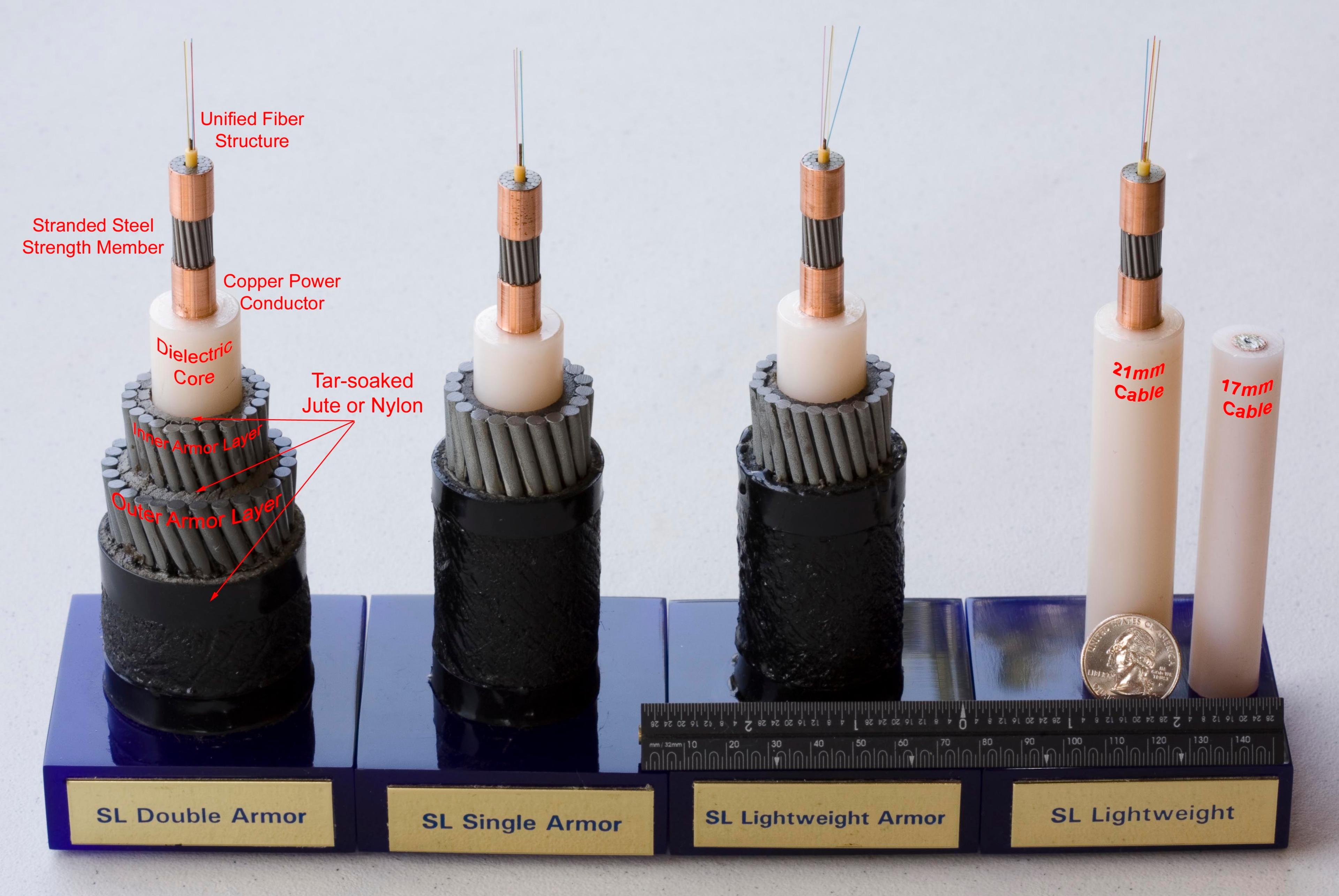
The short version
The US package’s US$340.3 million in announced components spans undersea cables, health workforces and security. urges more emphasis on and regional training.
Connectivity, health and security commitments
The United States has announced a Caribbean package totalling US$340.3 million, according to the Gleaner, as former Jamaican diplomat urges a stronger focus on climate resilience, food production and training health professionals.
The newspaper reports that the initiatives followed a US-Caribbean Dialogue attended by delegations including Jamaica, other Caribbean Community countries and the Dominican Republic. The announced components concern , healthcare, economic links and regional security; they are not a tally of funds already .
The largest allocation described is US$175.8 million for a Caribbean and Central America Undersea Cables Programme. The State Department says it would expand trusted, high-speed connections and improve their resilience to disruption.
The department is also working with Congress on an intended US$61.5 million healthcare initiative. The Americas Strategic Partnership for Independent Regional Healthcare Excellence is presented as a way to help Caribbean governments build self-sufficient health workforces through ethical, transparent hiring and fair pay reaching the workers themselves.
Security commitments have separate purposes. The Caribbean Basin Security Initiative includes US$37 million for critical , ports and countering illegal, unreported and unregulated fishing. A further US$66 million in law-enforcement and security cooperation is intended to counter transnational criminal organisations and secure borders.
That US$66 million comprises US$55 million in narcotics-control and law-enforcement assistance and US$11 million in foreign military financing. These are components of the security total, rather than additional amounts to be added to it.
The State Department expects a Caribbean Investment Summit in early 2027, linking US companies, financiers and government finance agencies with Caribbean partners. It also plans a Caribbean Basin Security Initiative ministerial in spring 2027, working with regional security ministers and CARICOM’s security implementation agency.
Blake questions the balance of priorities
Blake, formerly Jamaica’s deputy permanent representative to the United Nations and a CARICOM assistant secretary general, questioned whether the programme list had emerged from joint regional discussions or had been proposed by Washington alone.
He said hardening infrastructure against climate risks should rank among the Caribbean’s most urgent needs. Flooding, drought and threats to food security, he argued, also require food-production systems able to cope with a hotter environment.
Healthcare was a valid priority, Blake said, but the initiative’s stated focus was too narrow. He favoured training a larger pool of professionals, including in emerging approaches involving , so Caribbean systems could retain sufficient capacity without relying on recruitment from abroad.
He also recognised transnational crime as a regional concern, while arguing that the value of the security initiative would depend on how it was structured. Blake acknowledged that Caribbean governments may themselves have chosen the announced priorities, although his own advice would have put different needs first.
The Gleaner frames the package within competition between US and Chinese influence. Chinese financing has supported regional highways, ports, government buildings and telecommunications. The report recalls the US secretary of state’s criticism of Chinese practices during March 2025 visits to Jamaica, Guyana and Suriname, and China’s response defending open, mutually beneficial cooperation.
The healthcare proposals also arrive after some regional governments ended long-standing medical-cooperation arrangements with Cuba. The newspaper notes critics’ contention that US visa pressure influenced those decisions. The announced recruitment initiative and Blake’s call for more locally trained professionals address different routes to strengthening Caribbean health services.
Sources and reporting notes
- 1. Jamaica GleanerUS$340m Caribbean push draws Byron Blake’s resilience concerns (opens in a new tab)
Which sources support each point?
US-announced Caribbean programmes total US$340.3 million, according to the Gleaner.
The programme includes US$175.8 million for Caribbean and Central American undersea connectivity.
The intended US$61.5 million healthcare initiative involves work with Congress and focuses on workforce recruitment.
Security components include US$37 million and US$66 million, the latter comprising US$55 million and US$11 million.
An investment summit is expected in early 2027 and a security ministerial in spring 2027.
The report describes US-China investment competition and criticism of visa pressure over Cuban medical cooperation.
Byron Blake questions the priorities and advocates climate-resilient infrastructure and food systems.
Blake favours broader health training and says security cooperation depends on programme design.
Loading discussion…