
Loading the context…
Loading the context…
Reported Oct 13, 2026Quickanomics write-up updated Oct 13, 2026, version 12 min read
Follow the developing story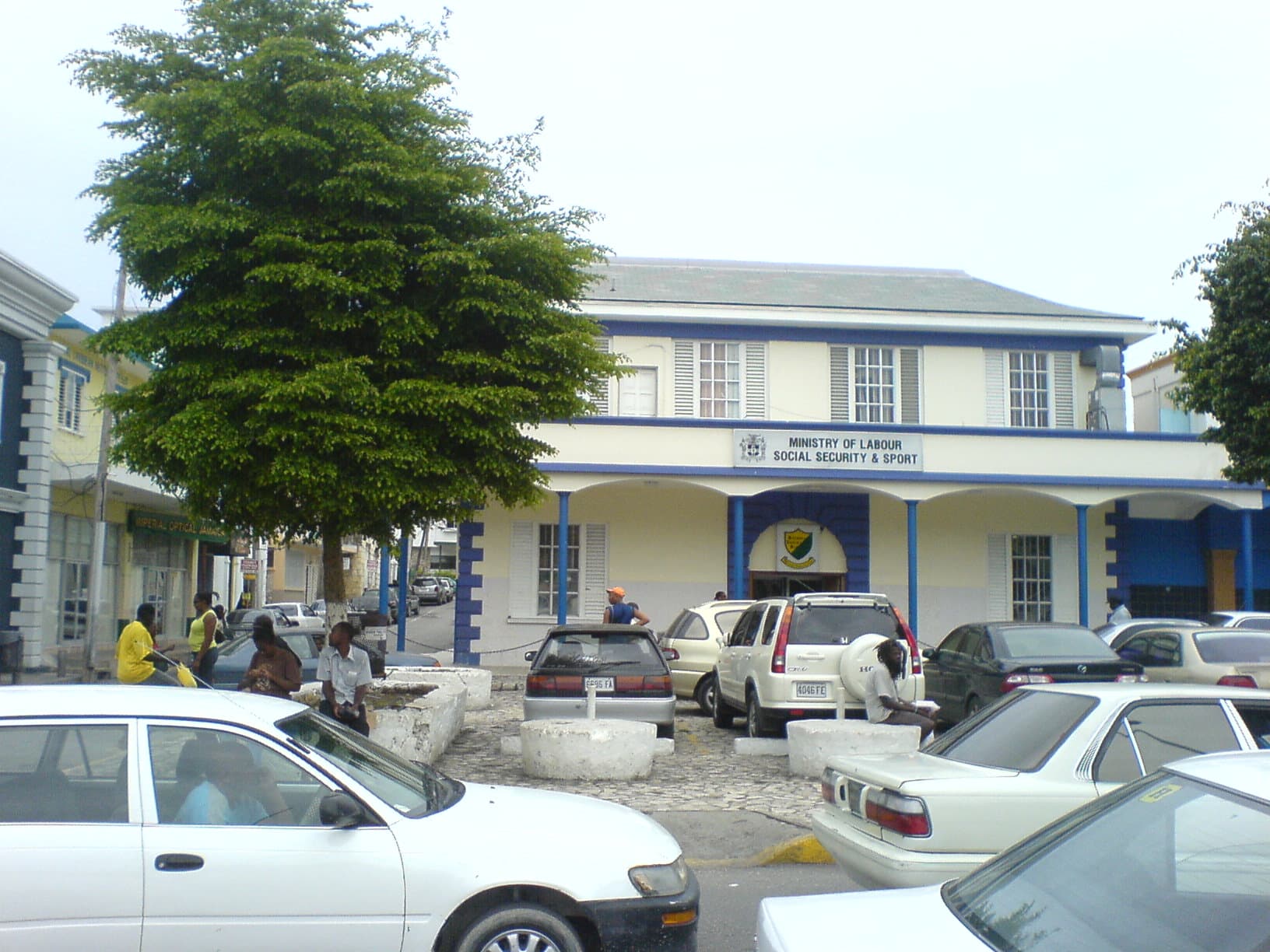
A US assessment reported by Radio Jamaica criticises recruitment-fee enforcement and labour-inspection capacity, alongside the ministry’s licensing and compliance education.
The US State Department has criticised Jamaica’s enforcement against fraudulent labour recruiters, according to Radio Jamaica’s account of the 2026 Trafficking in Persons assessment. The assessment says the government has not effectively regulated recruiters or held them civilly and criminally liable for fraudulent recruitment.
The criticism concerns enforcement as well as the existence of rules. Employment agencies are required to obtain a licence and are regulated by the Ministry of Labour and Social Security. Radio Jamaica reports that the ministry has sought to inform employers and jobseekers about lawful recruitment and held compliance sessions with licensed agencies, covering their obligations and the associated penalties.
The US assessment nevertheless says some travel agencies impose thousands of US dollars in consultant fees at different stages of visa and work processing. Those charges are described as continuing despite the efforts to explain lawful practices.
The report also addresses worker-paid recruitment fees. It says such fees were prohibited for the United States and other international employment programmes that prohibit them, while some agencies were still reportedly imposing unauthorised charges.
The distinction is between a stated prohibition and compliance with it. The assessment’s concern is that workers continue to encounter charges in the recruitment process despite the protections described by the government.
The assessment identifies a separate capacity problem in labour inspections. It says the number of inspectors is insufficient to cover the investigations required across the labour force, with particular concern for the .
involves activity that is not fully covered by formal arrangements. The assessment’s emphasis on that sector concerns whether enforcement can reach parts of the workforce beyond the most readily visible formal workplaces.
Transport and specialised training are also described as inadequate. According to Radio Jamaica’s account, the State Department says those shortages limit effective inspections, especially in remote or rural areas.
Loading discussion…