
United Church secures initial help for 30 Jamaican farmers as wider funding falls short
Reported Oct 26, 2026Quickanomics write-up updated Oct 26, 2026, version 13 min read
Follow the developing story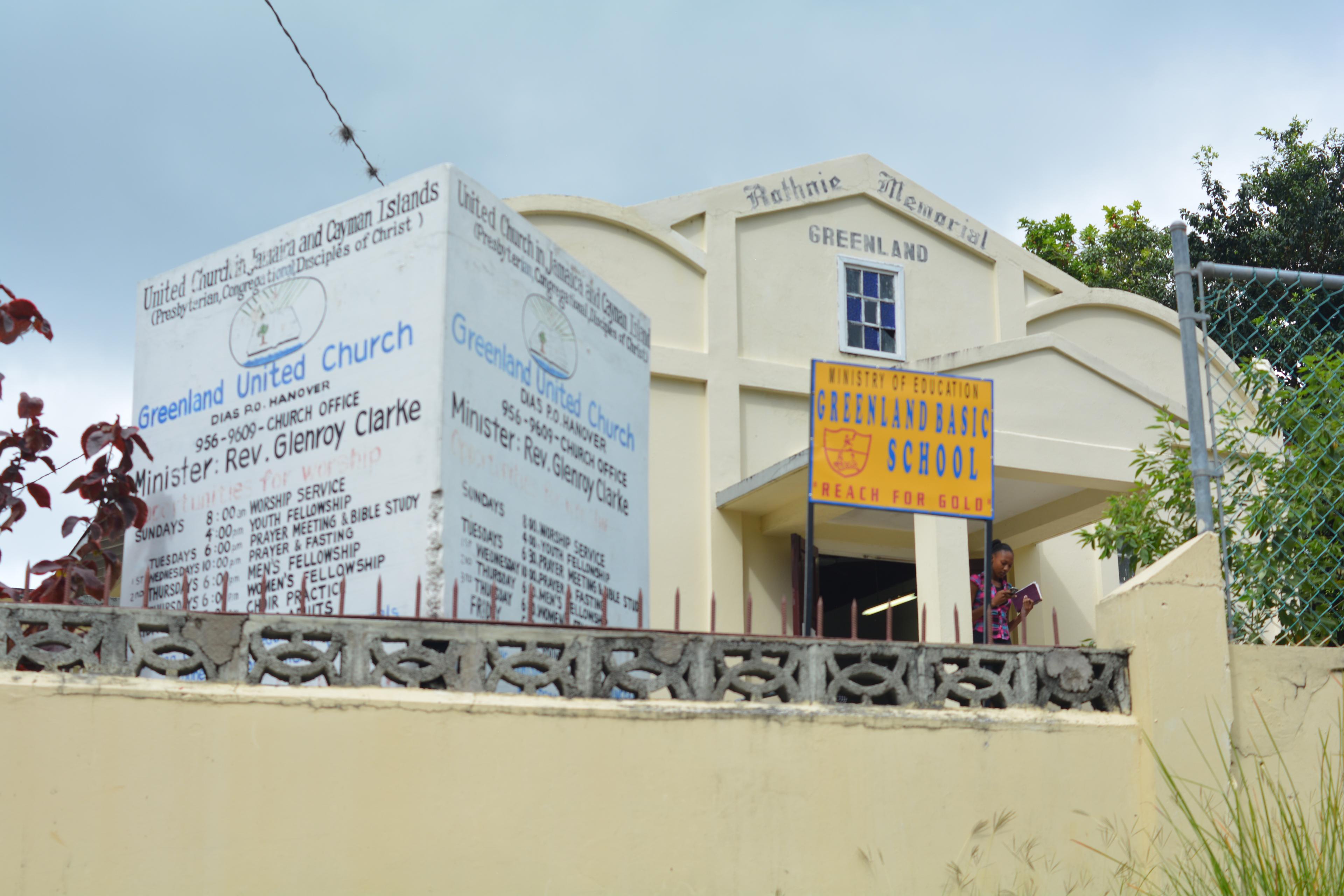
The short version
The United Church has secured more than J$1 million for 30 St Elizabeth farmers, but its larger recovery programme remains unfunded a year after Hurricane Melissa.
A smaller start for farm recovery
The United Church in Jamaica and the Cayman Islands has secured more than J$1 million to help 30 small farmers in St Elizabeth recover from Hurricane Melissa, while a wider programme remains without the funding needed to proceed, The Gleaner reports.
The initiative is only now being organised, following confirmation of the donation from Jamaicans in Switzerland. It comes a year after the October 2025 hurricane and will cover families around Santa Cruz and Giddy Hall, according to Janet Silvera’s October 26 account.
Those selected include poultry farmers and small crop producers. Assistance is intended to replace lost livestock, restore crops and repair essential equipment and farming infrastructure. , the denomination’s director of special projects, described households whose small holdings provide both food and income, rather than large commercial enterprises.
acknowledged the delay. The original proposal envisaged more than 100 beneficiaries, extended into Westmoreland and was expected to cost close to J$10 million. That larger sum has not materialised, leaving the church able to organise the initial assistance for 30 St Elizabeth families. The newly secured money therefore supports a narrower intervention than the church first planned.
Rebuilding households before church buildings
The church’s decision to concentrate limited resources on homes and livelihoods follows extensive damage to its own premises. Melissa affected 54 congregations, destroying eight sanctuaries and leaving 46 with damage short of complete destruction.
, a former general secretary, estimated that replacing a roof alone could cost J$8 million–J$10 million and constructing a sanctuary could require J$50 million–J$60 million. Roof repairs across damaged congregations could approach J$500 million. The denomination has not completed a comprehensive damage estimate, so those figures remain his assessments of the scale of rebuilding.
For , repairing a place of worship cannot take precedence over giving a household shelter or the means to earn. Other work has included providing tools, helping children return to school and repairing sections of roofs. Volunteers from Rochester and the Cayman Islands have contributed to roofing work; in some homes resources covered only a single room, providing a dry place to sleep while the rest remained damaged.
He also identified a barrier that money for construction alone does not resolve. Some survivors, he told the newspaper, have struggled to access housing assistance because inherited family property is still registered in the names of relatives who died generations earlier. The difficulty is establishing legal ownership when applying for help.
Temporary spaces and community uses
Congregations have continued worshipping outside their damaged sanctuaries. In Grange Hill, Westmoreland, a church member helped make repairs to a hall after the sanctuary lost its roof and a wall collapsed. An alternative arrangement is also in place at Retirement in St Elizabeth, and a benefactor supported the repaired Sterling hall in Grange Hill.
has suggested that different denominations share worship facilities, though the idea has gained little traction. He also wants repaired premises to accommodate community activities beyond Sunday worship.
The denomination describes its response as moving through emergency relief, recovery, rehabilitation and longer-term sustainability. The farm assistance now being organised belongs to that effort to restore households’ ability to support themselves, with the unfunded wider programme still limiting its reach.
Sources and reporting notes
- 1. Jamaica GleanerUnited Church prioritises livelihoods in Hurricane Melissa recovery (opens in a new tab)
What remains unclear
Funding for the larger programme, including its proposed Westmoreland extension, has not been secured.
Which sources support each point?
The United Church in Jamaica and the Cayman Islands has secured more than J$1 million from Jamaicans in Switzerland for 30 small farmers in the Santa Cruz and Giddy Hall areas of St Elizabeth.
Poultry farmers and small crop producers are to receive help replacing livestock, restoring crops and repairing farming infrastructure and equipment; the programme is only now being organised after funding confirmation.
The original programme envisaged more than 100 beneficiaries, including Westmoreland farmers, at close to J$10 million; that larger funding has not materialised.
Hurricane Melissa damaged 54 congregations in October 2025, destroying eight sanctuaries and leaving 46 with lesser damage; the denomination has no comprehensive damage estimate.
Norbert Stephens estimates a roof replacement at J$8 million–J$10 million and a new sanctuary at J$50 million–J$60 million; roof repairs could approach J$500 million.
Stephens, director of special projects and a former general secretary, says housing and livelihoods take priority over sanctuaries; other work includes tools, school support and roofing help from volunteers from Rochester and the Cayman Islands, sometimes covering only one room.
Stephens says inherited properties still registered to long-deceased relatives have obstructed survivors seeking housing help because they cannot establish legal ownership.
Congregations use repaired halls in Grange Hill and Retirement; a benefactor supported the Sterling hall. Stephens proposes shared worship premises, an idea with little traction, and wider community uses for repaired buildings. The response proceeds through emergency relief, recovery, rehabilitation and sustainability.
Loading discussion…