
UK inflation rises to 3.5% as fuel costs add to policy pressure
Reported Oct 21, 2026Quickanomics write-up updated Oct 21, 2026, version 13 min read
Follow the developing story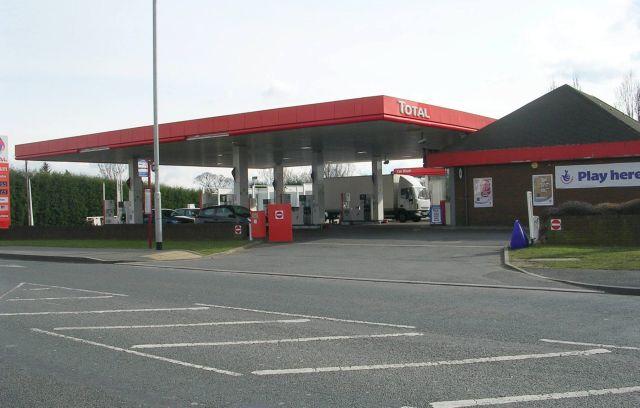
The short version
September rose from 3.1% to 3.5%, ahead of the Reuters poll. Fuel costs drove the change, while core and services also increased ahead of the budget and next Bank of England decision.
Fuel drives a larger-than-forecast increase
UK consumer accelerated more than expected in September, adding to the pressure facing the Bank of England and households ahead of the Government’s budget.
The Office for National Statistics said the rose 3.5% over twelve months, compared with 3.1% in August. Reuters, carried by The Business Times, reports that economists had expected 3.4%. The Bank of England’s July forecast had put the September figure at 3%.
The monthly increase was 0.4%, compared with little change in September 2025. The annual rate reflects how the latest price level compares with a year earlier; it should not be read as the increase that took place solely during September.
Transport, particularly motor fuels, supplied the largest upward contribution to the change in annual . Petrol averaged 169.5 pence per litre after rising 8.2 pence during the month. Diesel averaged 192.5 pence after a 10.7-pence rise. Overall motor-fuel reached 29.8% annually, up from 23.0%.
Transport’s annual rate climbed to 6.6% from 4.6%. Yet transport prices fell 0.4% during the month. The annual rate rose because prices had fallen much faster, by 2.3%, in the equivalent month of 2025. A smaller seasonal decline can raise an annual measure even when a category’s latest monthly price change is negative.
Restaurants and hotels supplied the largest offsetting downward contribution, with annual slowing to 3.8% from 4.1%, led by hotels. Food and non-alcoholic beverages remained at 1.3% annually; prices fell 0.2% during September, matching the decline a year earlier.
Underlying measures and policy expectations
rose to 2.8% from 2.6%. In the ONS measure used here, it excludes energy, food, alcohol and tobacco. Goods rose to 3.2% from 2.7%, and services to 3.7% from 3.4%.
, the broader index including owner-occupiers’ housing costs and council tax, rose 3.6% annually from 3.3%. Its monthly rise was 0.4%, compared with 0.1% a year earlier. Owner-occupiers’ housing-cost increased to 4.0% from 3.9%. , rather than , is used for the UK monetary-policy .
Reuters links the wider energy shock to the Iran war and says Britain has been especially exposed because of its dependence on imported natural gas. The Bank of England has so far assessed the shock’s effect on broader as limited, but Governor and other policymakers say the case for a rate rise increases the longer energy prices remain high.
The bank has kept policy on hold since the war began in February. Investors expect Bank Rate to rise to 4% in November, which would be the first increase in three years. That pricing is an expectation, rather than a decision by the bank. Bank Rate is its main .
Tuesday’s labour figures showed signs of stabilisation, according to the Reuters account. The release also arrives a week before Chancellor ’s first budget, when further help for households hardest hit by energy costs is expected. The scale and terms of that support remain for the budget announcement.
Understand this story
Distinguish a price index, the inflation rate and a change in real purchasing power.
Sources and reporting notes
- 1. The Business TimesUK inflation picks up more than expected to 3.5% in September (opens in a new tab)
- 2. Office for National StatisticsConsumer price inflation, UK: September 2026 (opens in a new tab)
Which sources support each point?
ONS reports UK CPI annual inflation at 3.5% in September 2026 from 3.1% in August. CPI rose 0.4% during September, compared with little change during September 2025. CPIH, including owner-occupiers’ housing costs and council tax, rose 3.6% annually from 3.3%, and 0.4% monthly from a 0.1% monthly rise a year earlier.
Core CPI, excluding energy, food, alcohol and tobacco, rose 2.8% over twelve months from 2.6% in August. CPI goods inflation rose to 3.2% from 2.7%, and CPI services inflation to 3.7% from 3.4%.
Transport, especially motor fuels, made the largest upward contribution to the change in annual CPI and CPIH inflation. Restaurants and hotels supplied the largest offsetting downward contribution. Transport annual inflation rose to 6.6% from 4.6%, even though transport prices fell 0.4% in September, because their fall in September 2025 had been 2.3%.
Petrol averaged 169.5 pence per litre in September 2026 after rising 8.2 pence during the month; diesel averaged 192.5 pence after rising 10.7 pence. Overall motor-fuel annual inflation reached 29.8% from 23.0%.
Food and non-alcoholic-beverage annual inflation remained 1.3%; prices fell 0.2% during September, as they had a year earlier. Restaurants and hotels annual inflation slowed to 3.8% from 4.1%, led by hotels. Owner-occupiers’ housing-cost annual inflation in CPIH rose to 4.0% from 3.9%. ONS calls CPIH its broader measure; CPI is used for the UK monetary-policy inflation target.
Reuters, carried by The Business Times, reports October 21, 2026 that UK September consumer inflation rose to 3.5% from 3.1% in August. The Reuters poll median was 3.4%; the Bank of England’s July forecast had put September at 3%.
The Reuters report links the energy-price shock to the Iran war and says Britain is particularly exposed through imported natural gas. The Bank of England has held rates since the war began in February. Andrew Bailey and other policymakers say a rise becomes more likely the longer energy prices remain elevated, although the bank has judged broader pass-through limited so far.
Investors expected Bank Rate to rise to 4% in November, which would be the first rise in three years; this is market expectation rather than a policy decision. The report says Tuesday’s labour figures showed signs of stabilisation. Chancellor John Healey’s first budget is due the following week and is expected to offer further help to households affected by higher energy prices.
Loading discussion…