
Taiwan blocks Grab’s US$600 million Foodpanda purchase
Reported Oct 21, 2026Quickanomics write-up updated Oct 21, 2026, version 13 min read
Follow the developing story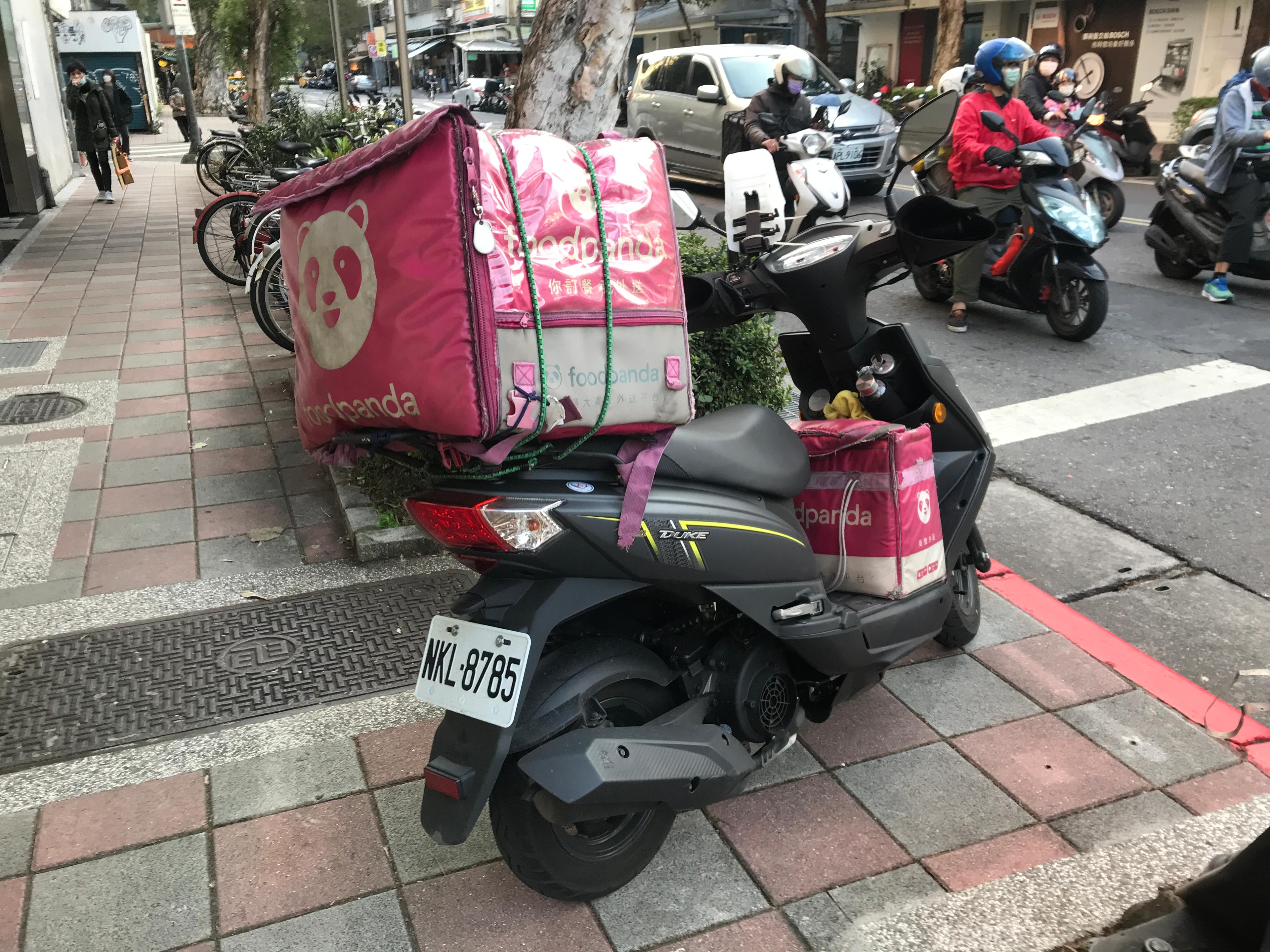
The short version
Taiwan’s competition watchdog rejected the Foodpanda sale to Grab. It said Uber’s ownership stake in Grab could soften rivalry with Uber Eats, and proposed remedies were inadequate.
Competition concerns outweigh the deal’s benefits
Taiwan's Fair Trade Commission has blocked Grab's proposed US$600 million cash acquisition of Delivery Hero's Foodpanda delivery business in Taiwan, preventing the group's planned first expansion beyond Southeast Asia.
The commission said on October 21 that the harm to competition outweighed the transaction's overall economic benefits. Commitments offered by the companies were insufficient to resolve those concerns, Reuters reported through CNA.
Three commissioners favoured prohibition, one supported approval with conditions and one recused, according to Taiwan's separate Central News Agency. Grab provides delivery, ride-hailing and digital financial services in eight Southeast Asian countries. The regulator formally accepted its complete filing on June 16, following the deal announcement in March.
Foodpanda and Uber Eats dominate Taiwan's food delivery market. The commission acknowledged that Grab and Foodpanda do not currently compete directly there: the purchase would have replaced Foodpanda with Grab as Uber Eats' principal competitor. Its objection centred on the incentives of the companies after that change in ownership.
An ownership link between prospective rivals
Uber owns about 13.1% of Grab's shares, the regulator said. Although Grab's different leave Uber with 3.9% of voting rights, the commission considered that the economic link, past board connections and commercial cooperation could weaken rivalry.
It identified four related concerns: reduced incentives for Uber Eats to compete; reduced incentives for Grab to compete; greater coordination risk arising from their history together; and insufficient pressure from other participants to disrupt that coordination.
The commission reasoned that Uber Eats might gain customers through price cuts yet damage Grab's earnings and, indirectly, Uber's investment. Limited voting power did not remove the possibility that the ownership relationship would align interests and change competitive strategies.
The regulator also cited Grab's 2018 acquisition of Uber's Southeast Asian operations. It characterised the companies as having implemented that deal in a difficult-to-reverse way despite knowing, or being expected to know, that it violated competition law. That history and familiarity with each other's strategies increased its concern about coordination.
Entry was another obstacle. A new delivery platform would need substantial funding and enough restaurants, couriers and customers simultaneously. The commission said entrants could not quickly challenge the established platforms, while restaurants and consumers lacked sufficient bargaining power to offset the risk.
Promises rejected; companies respond
The companies proposed diluting Uber's ownership, restricting Uber personnel from Grab board positions and limiting exchanges of competitively sensitive information. The commission doubted whether the commitments could be implemented effectively. It said Uber's holding would need to be reduced further or disposed of to reduce or remove the coordination risk, and prohibited the deal under the Fair Trade Act.
Grab said it was disappointed and would continue allocating capital and resources to its Southeast Asian growth plans. Its statement that the region's core business remained robust was a company assessment.
Delivery Hero said its transaction protections included a arrangement, subject to conditions. Such fees allocate some of the financial risk when a transaction fails under specified contractual circumstances. The reported statement did not establish the fee's amount, that a payment condition had been triggered or that money had been paid.
Understand this story
Use these ideas to unpack the reporting.
Sources and reporting notes
- 1. Channel NewsAsiaTaiwan regulator blocks Grab purchase of Foodpanda delivery business (opens in a new tab)
- 2. Central News Agency, Taiwan公平會4理由禁Grab併foodpanda 股權連結成關鍵 (opens in a new tab)
Which sources support each point?
Taiwan blocked the proposed acquisition because competition concerns outweighed the economic benefits.
The cash deal announced in March would have taken Grab outside Southeast Asia for the first time.
Grab expressed disappointment and said it would focus resources on Southeast Asian growth.
Delivery Hero cited conditional break fee protections without an established payment outcome.
The commission voted 3 to prohibit, with 1 favouring conditions and 1 recusal; Grab operates in 8 regional countries and its filing was accepted June 16.
The transaction would replace Foodpanda with Grab as Uber Eats’ main Taiwanese competitor.
Uber’s approximately 13.1% ownership and 3.9% voting rights formed part of the regulator’s concern about softened competition.
The commission identified four related risks affecting rivalry, coordination and countervailing pressure.
The regulator cited the companies’ 2018 Southeast Asian transaction as relevant history.
Funding and the need to attract restaurants, couriers and customers made rapid entry difficult, the commission said.
The commission found the proposed ownership, board and information commitments inadequate and prohibited the deal under the Fair Trade Act.
Loading discussion…