
Syria and World Bank agree on recovery fund without announcing financing total
- Syrian Arab News AgencyJoint statement on START Syria recovery and reconstruction trust fund (opens in a new tab)
- World BankSyria’s post-conflict reconstruction costs estimated at $216 billion (opens in a new tab)
- The NationalSyria and World Bank agree on multi-donor recovery fund (opens in a new tab)
Reported Oct 18, 2026Quickanomics write-up updated Oct 19, 2026, version 13 min read
Follow the developing story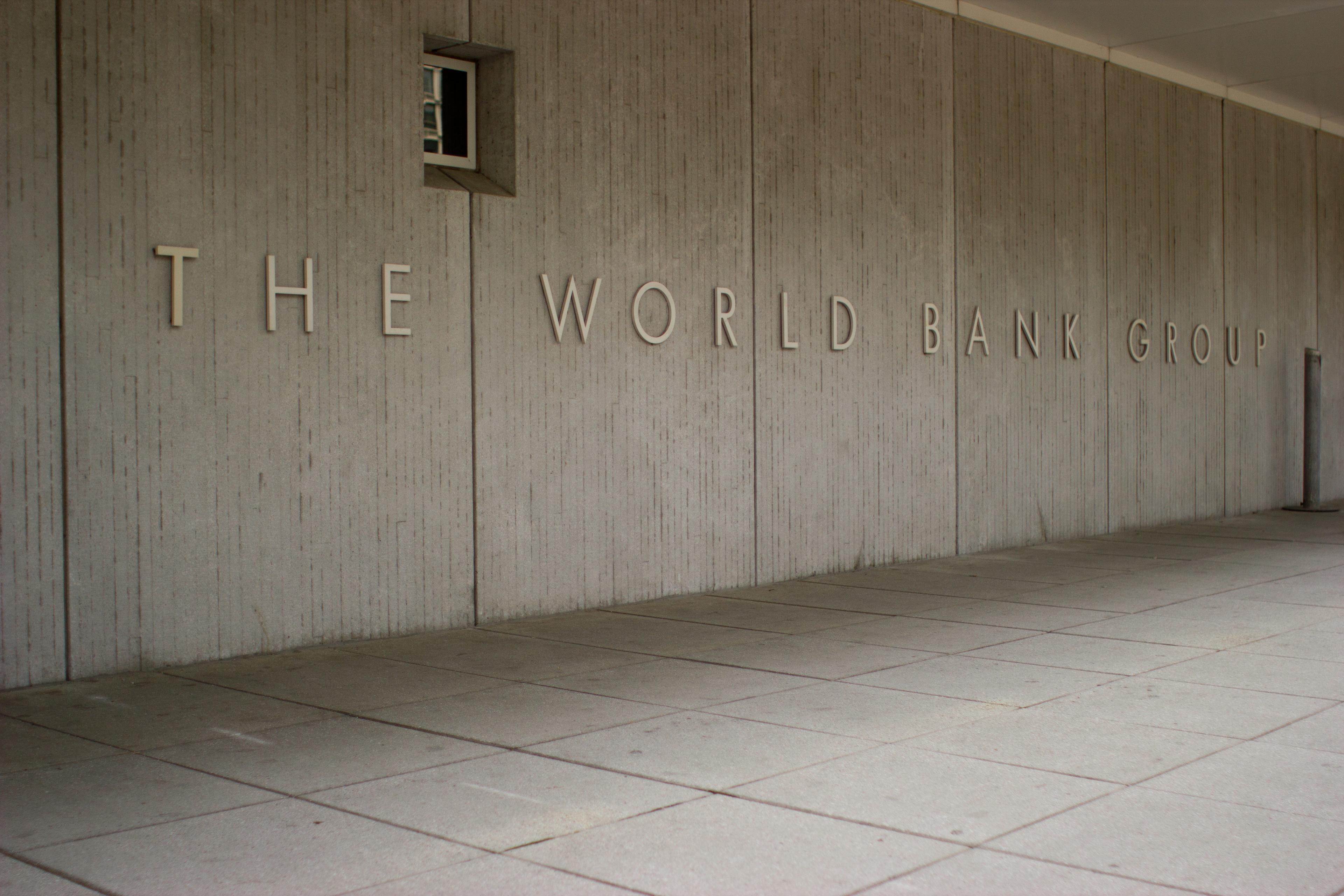
The short version
The World Bank will administer Syria’s proposed START recovery fund, but no financing total has been announced against reconstruction needs estimated at US$216 billion.
A new framework for donor support
Syria and the World Bank have agreed to establish START, a intended to help restore services, rebuild institutions and support economic recovery. The October 18 agreement followed discussions during the World Bank and International Monetary Fund annual meetings in Bangkok, The National reported.
The arrangement comes as Syria seeks reconstruction investment following the fall of its previous government in December 2024. It would bring donors into a common financing framework administered by the World Bank, rather than announce a single national reconstruction payment.
A joint statement published by Syria’s SANA news agency says START will operate according to Syrian priorities and World Bank policies and procedures. It sets out governance, integrity, transparency, accountability and measurable results as requirements. The statement records donor support and willingness to contribute, without specifying a fund total or quantified commitments.
The instruments envisaged include , and technical assistance. Concessional support offers more favourable terms than ordinary market borrowing; guarantees cover risks defined in their contracts; technical assistance builds practical and institutional capacity. The statement also envisages cooperation with the International Finance Corporation to mobilise private investment.
, Syria’s finance minister, described the agreement as a new phase of cooperation with partners in the United States, Europe and the Middle East. Basic services, stronger institutions and economic opportunities are the stated priorities.
Damage estimates are not a funding pledge
The scale of recovery is illustrated by the World Bank’s October 2025 assessment of damage during 2011–2024. It estimated reconstruction costs in a range of US$140 billion to US$345 billion, with a conservative estimate of US$216 billion. The assessment acknowledged considerable uncertainty in measuring losses after a prolonged conflict.
Direct physical damage was estimated separately at US$108 billion. Infrastructure accounted for US$52 billion, or 48%; residential buildings for US$33 billion; and non-residential buildings for US$23 billion. The cost of rebuilding assets and the estimated value of damage are different measures, neither representing money raised by START.
The National reports other investment pledges, including DP World’s US$800 million redevelopment of Tartus port and a US$2 billion Saudi package covering two Aleppo airports. Additional projects involve energy, property and communications. Such pledges remain distinct from completed construction or contributions to the new trust fund.
Qatar has discussed investment in the electricity grid, water, public services and Damascus airport. Norway has expressed interest in contributing to START, according to SANA cited by The National. The report also says about 50 US businesses, including Baker Hughes, Caterpillar and Visa, visited Syria in September after Washington removed its state-sponsor-of-terrorism designation.
IMF engagement resumes on several tracks
Syria is scheduled to move to the IMF’s Arab constituency on November 1, leaving the Russian-led representation group it joined in 2012, The National reports. Constituencies organise member-country representation at the IMF; changing group does not make Syria a new member.
The IMF resumed communications with Syria in 2025 and agreed a technical assistance programme in August following a July staff visit. Its last with the country was in 2009. Such consultations assess a member’s economic conditions and policies and are separate from loan approval.
The new fund, investment discussions and renewed institutional contacts therefore concern different parts of Syria’s economic reopening: donor coordination, private projects and policy capacity. The announced START framework leaves the amount of financing still to be specified.
Understand this story
Use these ideas to unpack the reporting.
- Multi-donor trust fund
START is intended to pool donor support under World Bank administration; its funding total remains unspecified.
- Concessional financing
The planned financing would offer more favourable terms than normal market borrowing; exact START terms are unannounced.
- Investment guarantee
The planned guarantees would address specified risks, rather than promise every project will be profitable.
Sources and reporting notes
- 1. Syrian Arab News AgencyJoint statement on START Syria recovery and reconstruction trust fund (opens in a new tab)
- 2. World BankSyria’s post-conflict reconstruction costs estimated at $216 billion (opens in a new tab)
- 3. The NationalSyria and World Bank agree on multi-donor recovery fund (opens in a new tab)
Which sources support each point?
Syria and the World Bank agreed on October 18, 2026 to establish the multi-donor START recovery and reconstruction trust fund, following discussions at the World Bank and IMF annual meetings in Bangkok. It is intended to support basic services, institutions and economic opportunities after the previous government fell in December 2024.
The joint statement says the World Bank will administer START with donors and partners, following Syrian priorities and World Bank policies. It envisages concessional financing, investment guarantees and technical assistance, with governance, integrity, transparency, accountability and measurable results. It announces no total funding amount or quantified donor commitments.
Syrian finance minister Mohammad Yisr Barnieh described a new stage of cooperation with partners including the United States, Europe and the Middle East. The statement records donors’ support and willingness to contribute and envisages cooperation with the International Finance Corporation to mobilise private investment.
The World Bank’s October 21, 2025 assessment estimated reconstruction costs for damage during 2011–2024 at US$140 billion to US$345 billion, with a conservative estimate of US$216 billion. Estimated direct physical damage was US$108 billion: infrastructure US$52 billion, residential buildings US$33 billion and non-residential buildings US$23 billion. Infrastructure accounted for 48% of physical damage. These are estimated needs and damage, not START funding.
The National reports investment pledges including DP World’s US$800 million Tartus port redevelopment and a US$2 billion Saudi package including two Aleppo airports, alongside energy, property and communications projects. Qatar has discussed investment in the electricity grid, water, services and Damascus airport; Norway has expressed interest in contributing to the fund, according to SANA cited by The National.
The National reports that about 50 US companies, including Baker Hughes, Caterpillar and Visa, visited Syria in September after Washington removed the country’s state-sponsor-of-terrorism designation.
Syria is due to move to the IMF’s Arab constituency on November 1, 2026, leaving the Russian-led group it joined in 2012, The National reports. This changes its representation group, not IMF membership. IMF communications resumed in 2025; a technical assistance programme was agreed in August after a July staff visit. Syria’s last Article IV consultation was in 2009.
Loading discussion…