
St Thomas cattle traders say tag shortage has halted lawful business
- Ministry of Agriculture, Fisheries and MiningTemporary administrative measures for movement of untagged cattle for slaughter (opens in a new tab)
- Ministry of Agriculture, Fisheries and MiningAnimal tagging effective in combatting praedial larceny (opens in a new tab)
- Radio Jamaica NewsSt. Thomas farmers, butchers face animal tag crisis (opens in a new tab)
Reported Oct 18, 2026Quickanomics write-up updated Oct 18, 2026, version 13 min read
Follow the developing story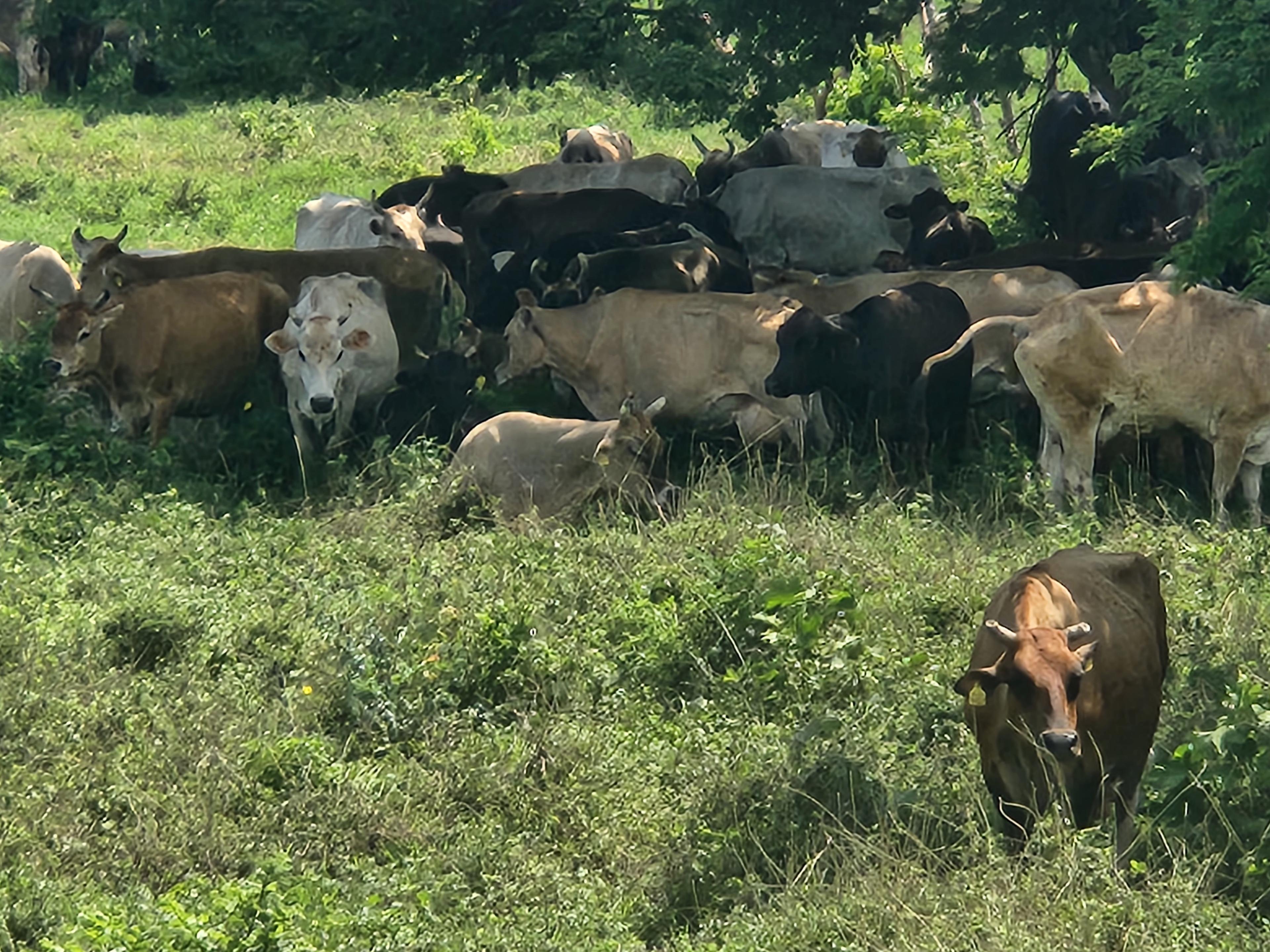
The short version
Farmers and butchers report stalled trade in St Thomas, bringing fresh attention to tagging delays after an earlier slaughter-only concession ended.
Farmers seek a return to lawful trade
A shortage of cattle identification tags is preventing farmers and butchers in St Thomas from carrying out lawful sales, transport and slaughter, according to an October 17 Radio Jamaica report. The traders are calling for urgent supplies and a resumption of tagging.
, whom the station identified as a cattle farmer and butcher in the parish, said the interruption had brought business to a standstill. He described a one-month amnesty that had expired and said the subsequent delivery of tags would not cover even one district. His account puts the immediate problem at the point where an animal needs documentation to move into the market.
Cattle identification connects the farm to the buyer and slaughter point. When a farmer has animals available but cannot obtain the required tags, an intended sale cannot proceed through the normal lawful route. Prince’s appeal was to restore that route so farmers and butchers could return to earning a living.
Earlier concession was limited to slaughter
The Ministry of Agriculture, Fisheries and Mining had already acknowledged tagging delays in a July 31 notice. It established a temporary administrative arrangement from July 30 through September 30, 2026, covering untagged cattle destined exclusively for slaughter. The notice’s July–September period differs from Prince’s description of a one-month amnesty.
The concession depended on documentation. A person transporting an eligible animal needed a valid Rural Agricultural Development Authority farmer identification card and a valid Jamaica Agricultural Society Agricultural Produce Receipt. The receipt had to carry the farmer’s information, the animal’s origin and destination, and details of the transport vehicle.
Ownership still had to be satisfactorily verified. Animals without the prescribed records remained subject to enforcement, and the ministry said the concession did not exempt owners from the underlying cattle-marking regulations or the identification system’s requirements. A temporary transport arrangement therefore did not abolish the continuing duty to identify cattle.
The July notice highlighted delays in St Elizabeth, Manchester, Clarendon and St Catherine. It also referred to March 2026 amendments strengthening penalties under the Animals (Diseases and Importation) (Marking of Bovine Animals) Regulations, 2015. The new St Thomas account concerns a further parish and a later point in the year.
Identification follows the animal
The ministry’s Veterinary Services Division administers the , known as . Its explanation published in February describes visual ear tags linked to a cattle passport by an identical identification number.
The passport must accompany an animal moving between establishments. Identity, ownership, geographical location and movements from birth to death are recorded, with the information stored electronically. The physical identifier and movement record work together: recognising an animal visually is different from being able to follow its documented history.
The ministry presents that traceability as a defence against livestock theft and a means of identifying animals through the supply chain. For the St Thomas traders, access to the tags is now the practical issue. Their request is for enough supplies and tagging services to let the identification system function alongside lawful commerce.
Sources and reporting notes
- 1. Ministry of Agriculture, Fisheries and MiningTemporary administrative measures for movement of untagged cattle for slaughter (opens in a new tab)
- 2. Ministry of Agriculture, Fisheries and MiningAnimal tagging effective in combatting praedial larceny (opens in a new tab)
- 3. Radio Jamaica NewsSt. Thomas farmers, butchers face animal tag crisis (opens in a new tab)
Which sources support each point?
Radio Jamaica reported on October 17, 2026 that cattle farmers and butchers in St Thomas said animal tags were unavailable in the parish, preventing lawful sale, transport and slaughter.
Alton Prince, identified as a St Thomas cattle farmer and butcher, said trade had stopped; a one-month amnesty had expired and the tags subsequently supplied were insufficient even for one district.
The affected farmers and butchers appealed for urgent tag supplies and the resumption of tagging so they could earn a living again.
The agriculture ministry notice dated July 31, 2026 specified a temporary arrangement effective July 30 to September 30, 2026 for untagged cattle destined exclusively for slaughter.
That arrangement required a valid RADA Farmer Identification Card and a completed JAS Agricultural Produce Receipt showing the farmer, cattle origin and destination, and transport vehicle. Ownership still had to be verifiable; the arrangement did not remove the underlying regulations or NAITS requirements.
The notice linked the arrangement to tagging delays, particularly in St Elizabeth, Manchester, Clarendon and St Catherine, and said March 2026 amendments strengthened penalties under the 2015 bovine-marking regulations.
The ministry explained on February 27, 2026 that the National Animal Identification and Traceability System, administered by the Veterinary Services Division, uses visual ear tags and a cattle passport bearing the same identification number.
The passport accompanies an animal between establishments and records identity, ownership, location and movement from birth to death, with information held electronically. The system supports livestock-theft detection and traceability.
Loading discussion…