
South African producer inflation rises to 6.2% as fuel pressure builds
Reported Oct 29, 2026Quickanomics write-up updated Oct 30, 2026, version 13 min read
Follow the developing story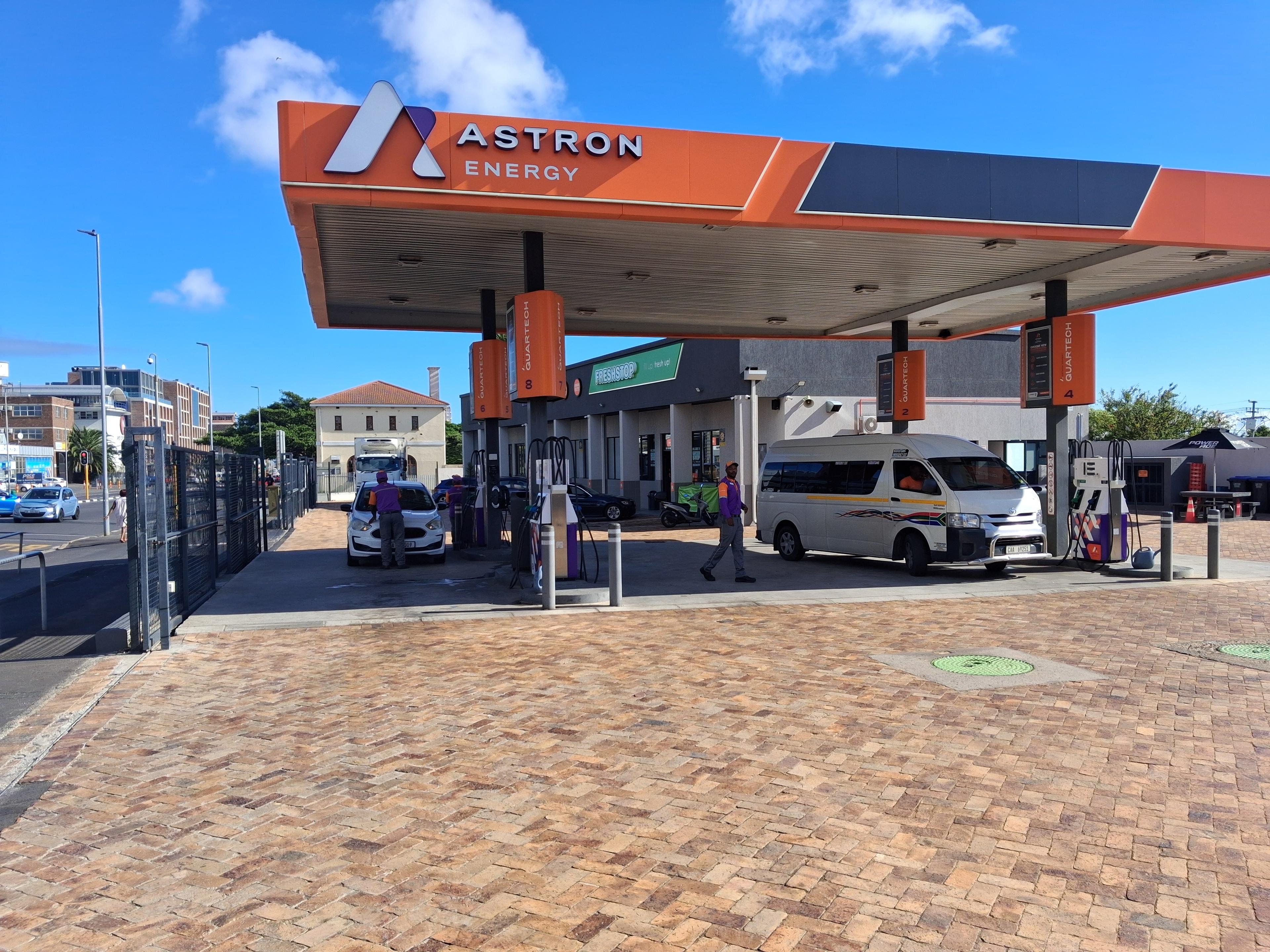
The short version
South African annual accelerated to 6.2% in September, with fuel-related pressure offsetting slower price growth in intermediate manufacturing.
Fuel-related products lead the acceleration
South Africa’s annual rose to 6.2% in September from 5.0% in August, ending two consecutive months of slowing price growth at the producer stage, Business Day reported from Statistics South Africa’s October 29 release.
The for final manufactured goods increased 1.0% from August. That monthly movement is separate from the annual comparison with September a year earlier. The headline covers prices of locally produced final manufactured goods rather than the full basket bought by households.
Coke, petroleum, chemical, rubber and plastic products were the main driver of the annual acceleration. Metals, machinery, equipment and computing equipment also contributed. The movements point to pressure within production, while the relationship with later consumer prices depends on different coverage and how costs are passed through.
The agency also publishes separate producer measures for intermediate manufactured goods, electricity and water, mining, and agriculture, forestry and fishing. Those series did not all follow the headline’s direction.
Industry measures diverge
Annual for intermediate manufactured goods slowed to 7.8% in September from 8.8% in August. Electricity and water accelerated to 8.4% from 7.8%. Mining’s annual rate remained at 7.3%.
Agriculture, forestry and fishing recorded an annual increase of 2.5%, following a 1.8% decline in August. The contrast between these movements means the headline increase does not describe an identical price experience across every industry.
Business Day reported that South Africa’s reduced capacity had increased dependence on imported petroleum products, exposing the economy to global supply disruptions associated with the US–Iran conflict. Petrol and diesel prices had risen sharply since April.
The newspaper reported a September petrol-pump increase of R1.34 per litre and a wholesale diesel increase of about R3.15 per litre. The figures are in South African rand. Diesel’s wholesale price is a different measure from the price paid by a driver at an individual station.
October increases and November relief
In October, petrol exceeded R30 per litre for the first time, nearly 50% above March, while wholesale diesel prices had risen more than 70% over that period, Business Day reported. Citing the government, it linked higher crude prices to US–Iran tensions, uncertainty about oil passing through the Strait of Hormuz and higher shipping costs.
Investec economist said September’s fuel increases and further increases in October would add to producer-price pressure. Nedbank economists described the outlook as highly dependent on the Middle East conflict and energy markets. They also expected food pressure as favourable year-earlier comparisons faded and drier conditions constrained production.
The Treasury announced temporary general-fuel-levy relief in the preceding week’s medium-term budget statement. SAnews’ October 21 account specifies cuts of R3 per litre for diesel and R1.50 for petrol from November 4 through December 1, followed by cuts of R1.50 for diesel and R1 for petrol through January 5, 2027.
The government estimates R10 billion in household and business support and the same amount in forgone. It says R10 billion returned from the Central Energy Fund to the National Fund will finance the relief. These measures begin after September’s measured price changes, while the economists’ October and food assessments concern subsequent pressure.
Understand this story
Distinguish the producer-price measure from inflation generally before reading monthly and annual changes.
Sources and reporting notes
- 1. Business DayProducer inflation surges to 6.2% as fuel pushes costs higher (opens in a new tab)
- 2. Statistics South AfricaStats SA: September 2026 PPI key findings (opens in a new tab)
- 3. South African Government News AgencyFinance Minister announces fuel levy relief (opens in a new tab)
Which sources support each point?
South African annual producer inflation for final manufactured goods rose to 6.2% in September 2026 from 5.0% in August, ending two consecutive months of slowing annual inflation. The producer price index increased 1.0% from August, Business Day reported from Stats SA’s October 29 release.
Coke, petroleum, chemical, rubber and plastic products were the main driver of the annual acceleration; metals, machinery, equipment and computing equipment also contributed. The PPI measures prices of locally produced commodities at the producer stage, with separate series for final manufacturing, intermediate manufacturing, electricity and water, mining, and agriculture, forestry and fishing.
Annual producer inflation for intermediate manufactured goods slowed to 7.8% in September from 8.8% in August. Electricity and water rose to 8.4% from 7.8%. Mining remained at 7.3%. Agriculture, forestry and fishing rose 2.5% after a year-on-year fall of 1.8% in August.
Business Day reported that reduced domestic refining capacity had increased South Africa’s reliance on imported petroleum products and exposure to disruptions linked to the US–Iran conflict. Petrol and diesel prices had increased sharply since April.
Investec economist Lara Hodes said September petrol and diesel increases and further October increases would add pressure to producer inflation. Business Day reported a September petrol-pump increase of R1.34 per litre and an approximately R3.15-per-litre increase in wholesale diesel.
Business Day reported that October petrol prices exceeded R30 per litre for the first time, nearly 50% above March, while wholesale diesel prices had risen more than 70% over that period. It attributed higher crude prices to continuing US–Iran tensions, uncertainty about Strait of Hormuz oil flows and higher shipping costs, citing the government.
Nedbank economists said the inflation outlook depended heavily on the Middle East conflict and global energy markets. They also expected food-price pressure as favourable year-earlier comparisons faded and drier conditions constrained production. These were forecasts, not measured September food-price outcomes.
Business Day reported that the Treasury had reintroduced temporary general-fuel-levy relief in its medium-term budget statement the preceding week, with relief lasting until early January.
The government’s SAnews report dated October 21, 2026 says general-fuel-levy relief starts November 4 and runs through December 1 at R3 per litre for diesel and R1.50 for petrol. It then continues through January 5, 2027 at R1.50 for diesel and R1 for petrol. It estimates R10 billion of support and foregone revenue, funded by returning R10 billion from the Central Energy Fund to the National Revenue Fund.
Loading discussion…