
Singapore haze cost estimated at S$2.32 billion despite fewer hazy days
Reported Nov 8, 2026Quickanomics write-up updated Nov 8, 2026, version 13 min read
Follow the developing story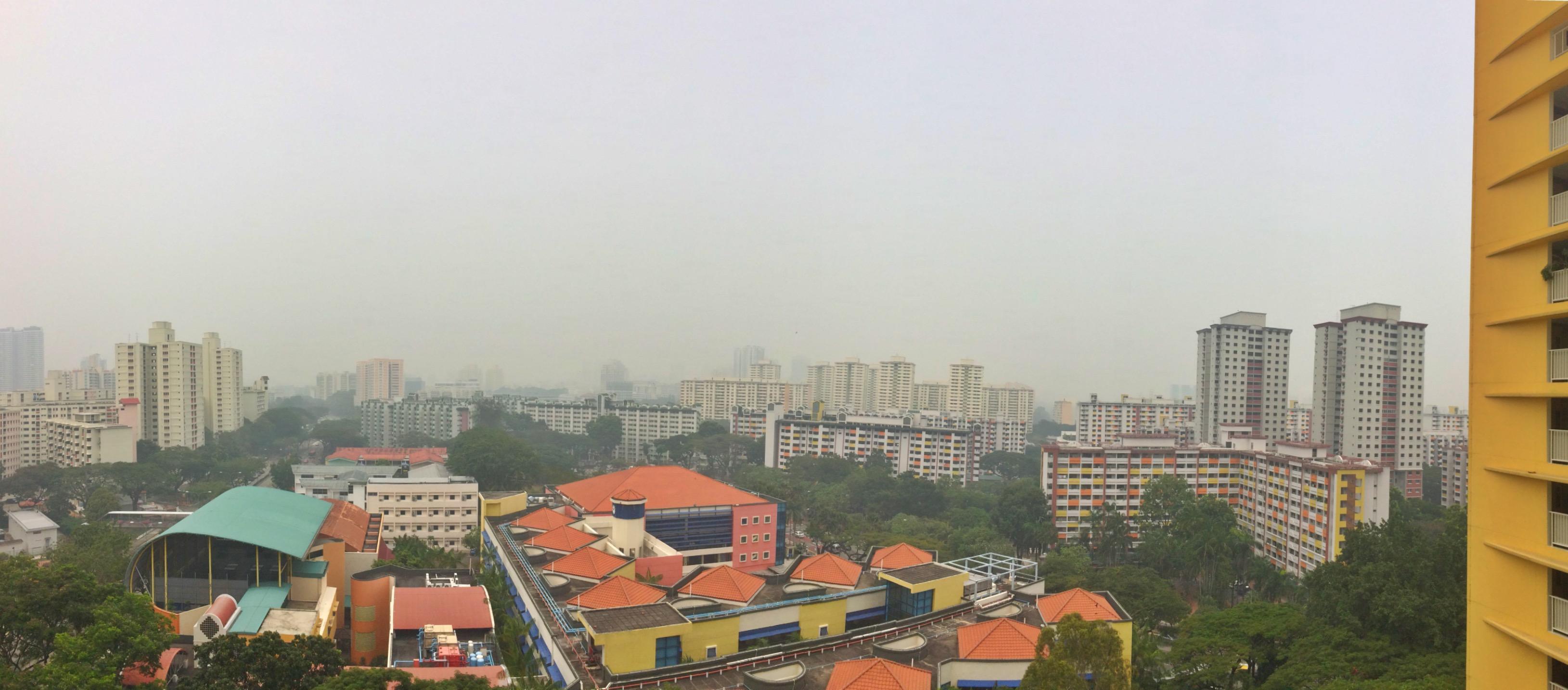
The short version
Researchers estimate a larger economic burden despite milder haze; the comparison uses September 2026 prices and does not automatically justify an equal prevention budget.
Population and valuation outweigh fewer hazy days
Singapore’s 2026 haze is preliminarily estimated to have imposed S$2.32 billion in economic costs as at October 31, about 4 per cent more than the comparable cost of the 2015 episode. The Business Times reported the assessment by NTU economist and SUSS economist on November 8.
The increase comes despite fewer hazy days and a lower average , or , than in 2015. The assessment reflects changes in the population and the value attached to losses, as well as the intensity and duration of pollution.
The original 2015 estimate was S$1.83 billion at prices of that time. Adjusting for brings it to S$2.23 billion at September 2026 prices. That updated amount is the basis for the reported increase of about 4 per cent; comparing the current estimate directly with the old money amount would describe a different change.
The calculation draws on the framework used to assess 2015 haze by , NTU Associate Professor and SUSS’s . The current estimate incorporates a larger population, higher incomes, visitor spending and updated health data and assumptions.
The balance of damage has changed
The estimated health burden is higher. It includes medical treatment and the monetary value placed on reducing risks of illness and premature death. This makes the assessment broader than spending that appears on household or hospital bills.
Tourism losses are also higher, reflecting visitor arrivals and spending as well as additional business losses. A haze episode can therefore impose a larger estimated tourism cost even if its measured duration is shorter.
Time lost through illness moves in the opposite direction. A shorter and less severe episode reduces lost work and non-work activity enough to outweigh the effects of higher wages and population. Protective spending, including purchases of masks, is lower too: the shorter period outweighs growth in the number of households.
The assessment also values wellbeing through for cleaner air. This is an economic way of assigning value to an improvement without an ordinary market price. It does not mean households have actually paid that amount to remove the haze.
Who should pay to prevent the next episode?
says estimating the burden can identify the groups bearing the cost and help target protection and adaptation. He also proposes considering joint prevention funding by Singapore and other affected countries with Indonesia.
The complementary victim-pays approach would support fire-free alternatives to burning where prevention costs less than the damage avoided. It would operate alongside legal penalties and accountability, rather than relieving responsible companies of their obligations.
The proposal brings a fairness problem: affected populations would help pay to prevent pollution harming them. says public funding should be tied to measurable reductions in fire risk and released in phases based on results.
Each option still needs , comparing its expected costs and benefits. An estimated S$2.32 billion burden does not automatically establish that the same sum should be allocated to prevention; the relevant benefit is the damage a particular measure can actually avoid.
Understand this story
Distinguish air-quality readings from economic damage, then assess how cleaner air is valued and prevention spending tested.
- Pollutant Standards Index
PSI measures air quality; a lower average does not by itself establish lower economic damage.
- Willingness to pay
The haze assessment values wellbeing through the amount people would be prepared to pay for cleaner air.
- Cost-benefit analysis
Each prevention proposal needs a comparison of its costs with the damage it can avoid.
Sources and reporting notes
- 1. The Business TimesThe Business Times: 2026 haze cost estimate and prevention proposals (opens in a new tab)
What remains unclear
Which proposed prevention measures would deliver measurable fire-risk reductions at a worthwhile cost, and how their funding would be shared.
Which sources support each point?
Euston Quah of Nanyang Technological University and Eugene Or of Singapore University of Social Sciences preliminarily estimate Singapore’s 2026 haze cost at S$2.32 billion as at October 31. The Business Times reported their estimate on November 8, 2026.
The estimate is about 4 per cent higher than the comparable 2015 cost. The 2015 estimate was S$1.83 billion at that time, equivalent to S$2.23 billion at September 2026 prices. The framework used to assess 2015 haze was developed by Quah, NTU Associate Professor Chia Wai Mun and SUSS’s Tan Tsiat Siong.
The estimated economic cost is higher despite fewer hazy days and a lower average Pollutant Standards Index than in 2015. A larger population, higher incomes, visitor spending and updated health data and assumptions change the valuation.
The estimated health burden is higher and includes treatment costs and the value people place on reducing illness and premature-death risks. Estimated tourism losses, including direct spending and additional business losses, are also higher.
Estimated time lost from work and non-work activities is lower: a shorter, less severe haze episode outweighs higher wages and population. Estimated protective spending, including masks, is lower because the shorter haze duration outweighs household growth.
The assessment also values wellbeing through people’s willingness to pay for cleaner air. It is a broad economic valuation, not a sum of cash invoices. Quah says it can identify who bears costs and guide targeted protection and adaptation.
Quah proposes that Singapore and other affected countries consider co-funding prevention with Indonesia. A complementary victim-pays approach would help fund fire-free alternatives to burning when doing so costs less than the damage avoided, alongside legal penalties and accountability.
Quah acknowledges fairness concerns and says public funding should produce measurable reductions in fire risk without removing companies’ responsibility. Each proposal requires cost-benefit analysis; S$2.32 billion in estimated damage does not automatically justify spending the same amount on prevention. He favours phased funding tied to demonstrated results.
Loading discussion…