
Poly Pet faces cash-reserve pressure before March bond repayments
Reported Nov 4, 2026Quickanomics write-up updated Nov 5, 2026, version 13 min read
Follow the developing story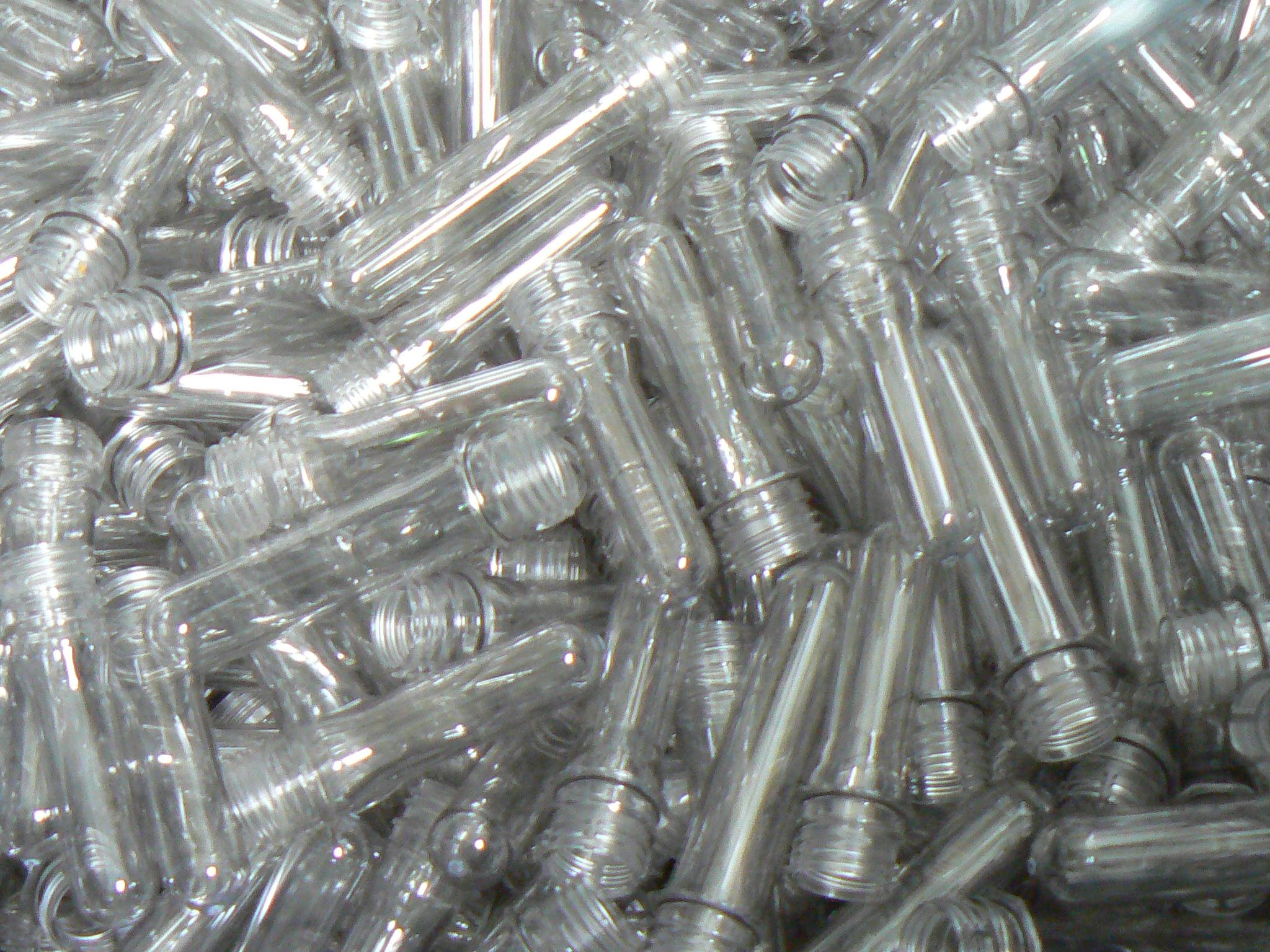
The short version
Poly Pet’s outlook is negative as CariCRIS questions its ability to build cash reserves before repayments start in March 2027. The rating remains jmC; the agency’s decision is dated October 14.
Reserve funding drives negative outlook
Poly Pet Company Limited’s J$800 million retains its jmC , but CariCRIS has lowered the outlook from stable to negative as the manufacturer approaches the start of quarterly repayments in March 2027.
The Gleaner reported the decision on November 4. The primary rating release is dated October 14, 2026, so the assessment predates the newspaper’s account. CariCRIS says jmC reflects poor creditworthiness compared with other obligations on Jamaica’s scale.
The agency’s central concern is whether Poly Pet can fully fund its reserve account before scheduled payments begin. The account was established in June 2026, leaving about nine months to accumulate funds ahead of March 2027. It warns that adequacy and financial flexibility could weaken over the next 12 to 15 months if that funding falls short.
A projected after-tax loss for FY2026, continued breaches of borrowing conditions and elevated raw-material costs add to the pressure. The outlook signals possible deterioration in the existing assessment; the agency did not lower the jmC issue rating in this decision.
Restructuring defers the final deadline
The manufacturer raised J$800 million in December 2020 to fund and refinance existing debt. The original facility carried a fixed annual of 7.5 per cent over five years, with the entire due in December 2025. The Gleaner reports that it was not repaid at that deadline.
concluded restructuring negotiations in February 2026 and extended by three years to December 2028. The revised fixed annual is 10 per cent, and interest is payable quarterly. denotes the stated interest obligation; is the underlying borrowed amount.
CariCRIS’s table lists eight equal quarterly -and-interest payments of J$42.9 million from March 2027 and J$600 million in December 2028. The combined payment must therefore be distinguished from alone. The published table does not provide a complete reconciliation of every payment component.
The extension changes the schedule rather than removing the need to generate or secure cash. A later can reduce an immediate repayment deadline while leaving quarterly and a substantial final amount to be met.
Operations support the rating; cash remains weak
Poly Pet was founded in 2006 and operates in Kingston. It makes , or , and , or , bottles for household, beverage and industrial use, alongside labels, boxes and caps. Annual material use is 2 million pounds of and 4 million pounds of , according to the release.
The current assessment identifies and with 40 per cent each and chief executive with 20 per cent. Its latest cited audited accounts show J$4 million of for the year ending June 2025 and J$2.4 billion in assets at June 2025.
CariCRIS credits the company’s strong market position, operating efficiency and asset-maintenance practices. It nevertheless describes below-average financial performance, despite improved profitability in the first half of 2026, and poor adequacy and flexibility. Accounting profit does not establish that sufficient cash will be available when a debt payment falls due.
Other constraints include higher interest debt, substantial balances between connected companies and dependence on a limited group of customers. The agency also flags exposure to Jamaica’s economy, volatile material costs and policies discouraging single-use plastic bottles. Failure to make the quarterly from March 2027, or further limits on plastic use, could prompt a .
Understand this story
Distinguish the bond’s interest, borrowed principal and final repayment deadline before assessing the cash needed for payments.
- Bond coupon
The stated annual interest rose from 7.5 per cent to 10 per cent under the extension.
- Loan principal
Principal is the amount owed apart from interest; the J$42.9 million scheduled payment includes both.
- Maturity and tenor
The final repayment deadline moved from December 2025 to December 2028.
Sources and reporting notes
- 1. Jamaica GleanerGleaner: Poly Pet outlook cut before first bond repayments (opens in a new tab)
- 2. CariCRISCariCRIS: Poly Pet rating release dated October 14, 2026 (opens in a new tab)
What remains unclear
Whether Poly Pet will fully fund its reserve account before the scheduled March 2027 payments.
Which sources support each point?
CariCRIS retained Poly Pet’s jmC rating but moved the outlook on the J$800 million bond to negative in its October 14 release.
A reserve account established in June 2026 must accumulate cash ahead of quarterly payments starting March 2027; CariCRIS warns of pressure over 12 to 15 months.
Restructuring extended the bond to December 2028, with a 10 per cent coupon, eight J$42.9 million quarterly principal-and-interest payments from March 2027 and a J$600 million final payment.
The December 2020 J$800 million facility carried a 7.5 per cent coupon and was originally due in December 2025.
Poly Pet makes HDPE and PET packaging in Kingston and uses 2 million and 4 million pounds of those plastics annually.
The current release identifies Anthony Brown and Tamara Phang at 40 per cent each and CEO Shane Brown at 20 per cent.
Audited profit after tax was J$4 million in the year ending June 2025 and assets were J$2.4 billion at that date.
CariCRIS cites a projected FY2026 loss, borrowing-condition breaches and raw-material costs alongside cash-flow, customer and plastic-policy risks.
Market position and efficient operations support the rating, while missed payments and further plastic restrictions could prompt a downgrade.
Loading discussion…