
Loading the context…
Loading the context…
Reported Oct 11, 2026Quickanomics write-up updated Oct 11, 2026, version 33 min read
Follow the developing storyExpanded original Quickanomics reporting with the source’s material findings, comparisons and qualifications at all three reading depths.
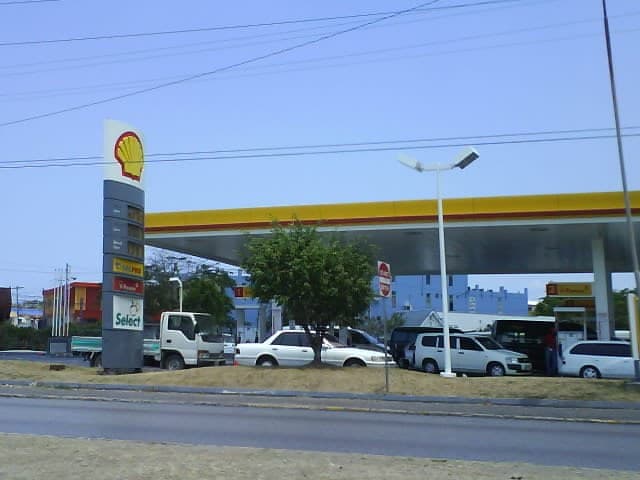
Petrojam’s conditional outlook points to steadier fuel markets, while an economist warns that earlier energy costs have yet to pass fully into .
Petrojam expects adequate fuel supplies and relatively contained price movements through the remainder of 2026, provided the Middle East avoids a fresh major upheaval, general manager Kenneth Walker said at an ICAJ business conference in Kingston.
The Gleaner reported that increased crude exports from the region had helped moderate world prices. Walker’s assessment offers a more stable near-term supply outlook, but it remains exposed to international events. Jamaica obtains most of its fuel outside the Middle East; the origin of those purchases does not isolate the country from global oil pricing or disruption along shipping routes.
Brent crude was around US$101 a barrel on October 5, compared with levels above US$110 during parts of August. The comparison describes an easing in the international benchmark from those earlier levels. It does not establish a corresponding reduction in Jamaican retail petrol prices, which concern a different product and stage of the supply chain.
Petrojam’s wholesale price for 87-octane petrol stood at J$209.62 per litre on October 1, below earlier levels above J$220. The wholesale figure gives a more direct indication of local fuel costs than the crude benchmark, although it still precedes the price charged to motorists at filling stations.
Shipping and logistics problems can delay the effect of lower international prices, Walker said. The timing matters for consumers: an easing in the raw-material market is not necessarily an immediate easing in the cost of fuel already moving through the supply chain.
Walker also said Jamaica’s fiscal position had allowed mitigation through Petrojam. That is his assessment of the authorities’ ability to soften the impact. The report does not quantify the resulting saving to an individual household or establish that every earlier increase was absorbed. His year-end outlook remains conditional on the international environment rather than a commitment to a particular pump price.
Economist Keenan Falconer warned that the full effect of earlier energy shocks had yet to appear in consumer prices. Annual reached 7.9% in August, against 7.5% in July, the Gleaner reported.
Falconer said shocks during March to June could become more apparent between December and the first quarter of the following year. His warning concerns the lag between an initial rise in energy costs and its later appearance in the prices households pay. It is not a confirmed announcement of a new fuel increase.
The two assessments address different points in that process. Walker discussed supply and fuel-price conditions for the remaining months of the year. Falconer discussed how costs already incurred could continue to move through the economy. Their views can coexist: a calmer oil market does not erase all the effects of its earlier disruption.
For Jamaican consumers, the unresolved question is how quickly the more favourable international conditions reach local prices while businesses are still dealing with earlier costs. The report supports a conditional fuel outlook and a warning about delayed ; it does not establish a guaranteed fall in either measure.
Reports from the same original source are not independent confirmation.
Petrojam general manager Kenneth Walker expects adequate fuel supplies and relatively contained price movements through the remainder of 2026, provided there is no major further upheaval in the Middle East. The Gleaner reported his remarks at an ICAJ business conference in Kingston.
Petrojam general manager Kenneth Walker expects adequate fuel supplies and relatively contained price movements through the remainder of 2026, provided there is no major further upheaval in the Middle East. The Gleaner reported his remarks at an ICAJ business conference in Kingston.Jamaica Gleaner: Petrojam sees stable fuel prices through year-end as oil markets settle
Increased Middle Eastern crude exports have helped moderate world oil prices. Jamaica obtains most of its fuel supplies outside that region, but international pricing and shipping disruptions still affect the country.
Increased Middle Eastern crude exports have helped moderate world oil prices. Jamaica obtains most of its fuel supplies outside that region, but international pricing and shipping disruptions still affect the country.Jamaica Gleaner: Petrojam sees stable fuel prices through year-end as oil markets settle
Brent crude was around US$101 a barrel on October 5, compared with levels above US$110 during parts of August. These are international crude prices, not Jamaican pump prices.
Brent crude was around US$101 a barrel on October 5, compared with levels above US$110 during parts of August. These are international crude prices, not Jamaican pump prices.Jamaica Gleaner: Petrojam sees stable fuel prices through year-end as oil markets settle
Petrojam’s wholesale price for 87-octane petrol was J$209.62 per litre on October 1, below earlier levels above J$220. Wholesale movements do not establish an identical immediate change at filling stations.
Petrojam’s wholesale price for 87-octane petrol was J$209.62 per litre on October 1, below earlier levels above J$220. Wholesale movements do not establish an identical immediate change at filling stations.Jamaica Gleaner: Petrojam sees stable fuel prices through year-end as oil markets settle
Walker said Jamaica’s fiscal position had allowed mitigation through Petrojam. He described the outlook as conditional and said shipping and logistics problems can delay the effect of lower international prices.
Walker said Jamaica’s fiscal position had allowed mitigation through Petrojam. He described the outlook as conditional and said shipping and logistics problems can delay the effect of lower international prices.Jamaica Gleaner: Petrojam sees stable fuel prices through year-end as oil markets settle
Economist Keenan Falconer warned that earlier energy shocks had not fully worked through consumer prices. Annual Jamaican inflation was 7.9% in August, compared with 7.5% in July.
Economist Keenan Falconer warned that earlier energy shocks had not fully worked through consumer prices. Annual Jamaican inflation was 7.9% in August, compared with 7.5% in July.Jamaica Gleaner: Petrojam sees stable fuel prices through year-end as oil markets settle
Falconer said price effects from shocks during March to June could become more apparent between December and the first quarter of the following year. His assessment concerns delayed inflation, rather than a confirmed new fuel-price increase.
Falconer said price effects from shocks during March to June could become more apparent between December and the first quarter of the following year. His assessment concerns delayed inflation, rather than a confirmed new fuel-price increase.Jamaica Gleaner: Petrojam sees stable fuel prices through year-end as oil markets settle
The report provides no guaranteed path for retail fuel prices.
Answers use this article’s sources. They can explain what is known and what is missing.
Sign in to ask a question