
Oil falls as Trump tones down Iran threat despite Strait of Hormuz attacks
Reported Nov 9, 2026Quickanomics write-up updated Nov 9, 2026, version 13 min read
Follow the developing story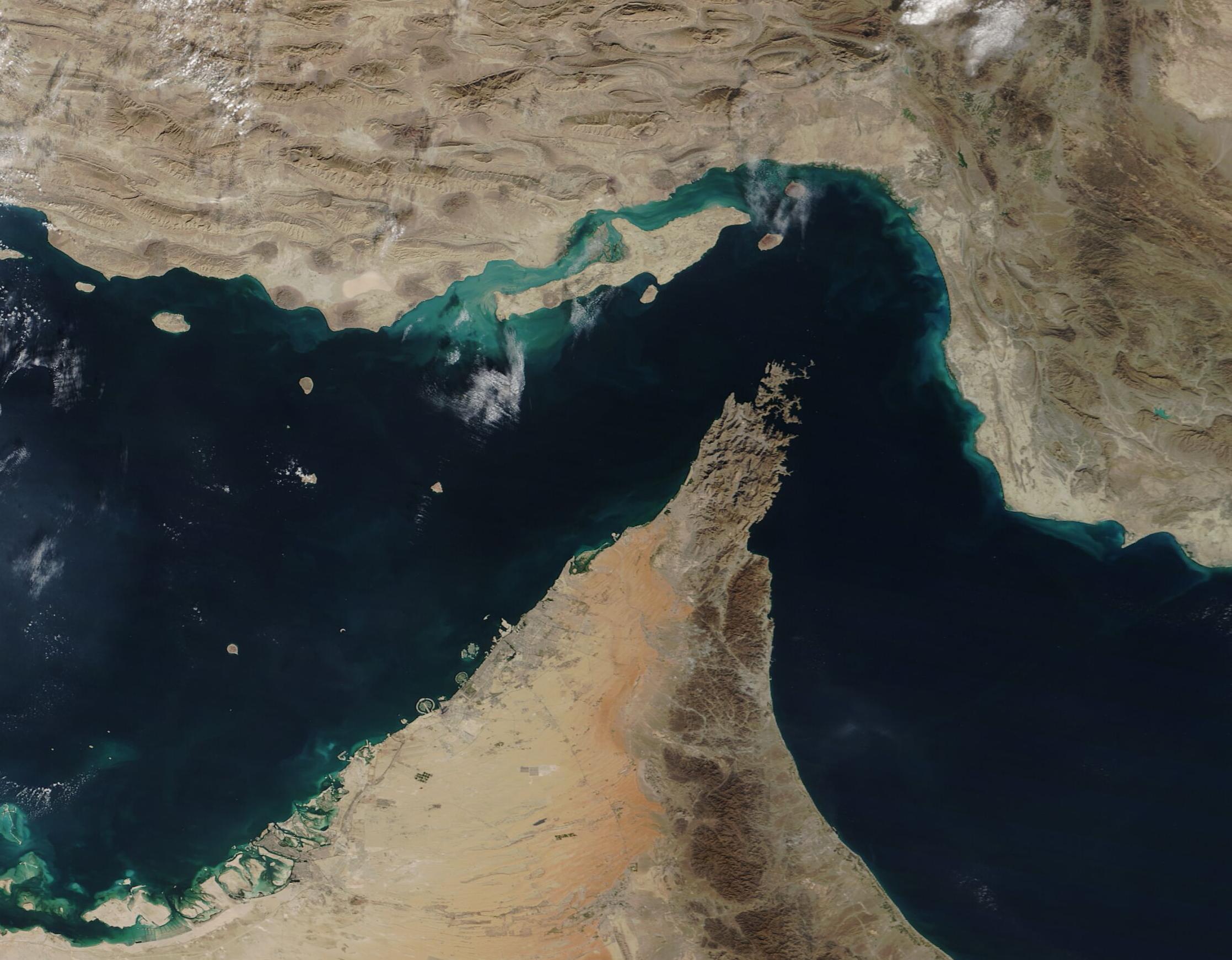
The short version
Oil fell on November 9 as Trump sounded less likely to order new Iran strikes, while shipping attacks and analysts’ supply concerns complicated the outlook.
A morning price decline follows a sharp weekly fall
Oil prices fell on November 9 as US President reduced expectations of renewed strikes on Iran, while attacks reported against ships around the Strait of Hormuz kept the risk of disrupted supplies in view.
crude was down US$1.65, or 1.7%, at US$96.67 a barrel by 08:30 GMT. US fell 96 cents, or 1%, to US$89.87 a barrel, Reuters reported through Zawya.
The figures describe that morning’s trading, rather than the market close or a live price. and are widely used oil-price references; the report quotes different prices for the two.
had already lost 16% in the preceding week, its largest weekly fall since the beginning of the Covid-19 pandemic. Monday’s move therefore followed a substantial earlier decline.
Trump said on November 8 that he was highly unlikely to order fresh attacks while talks to end the conflict progressed. Both the US and Iran nevertheless reported shipping being hit in or near the strait.
The president had previously suggested attacks might resume after the prior week’s US midterm elections. Reuters reported no sign of a large-scale US military operation, while Iran said it would retaliate against US and Israeli targets.
Analysts distinguish tone from a durable agreement
, founder of SS WealthStreet in New Delhi, said the market appeared to be pricing an optimistic easing of the conflict despite the absence of a comprehensive Washington–Tehran agreement.
Her assessment was that a could persist without a meaningful diplomatic breakthrough and sustained normalisation of Strait of Hormuz shipping. Such a premium is additional price pressure associated with the danger of interrupted supply.
Sachdeva identified US$93 a barrel as a near-term support level. That is her assessment of a level where buying might emerge, rather than a forecast that the price cannot fall below it.
KCM Trade chief analyst described Trump’s comments as more measured. He said the market was still waiting to see whether the midterms had led to a lasting change in approach or only another temporary shift in tone.
A supply surplus competes with security concerns
JPMorgan said in a Friday report that oil was moving towards surplus again as Middle Eastern flows recovered, producers elsewhere increased output and demand remained weak.
The bank estimated supply exceeded consumption by 1.1 million barrels per day in September and 1.4 million barrels per day in October. Those are estimated daily flow imbalances, not total stocks or prices.
That supply-and-demand assessment sat alongside further reported attacks. The Iran-aligned Houthis claimed responsibility for striking Saudi Aramco’s offices in Riyadh on November 8.
In a separate incident on November 9, Leningrad region Governor said Russia’s Kirishi oil was set on fire after a Ukrainian drone attack. The report attributes that account to the governor.
The market was consequently weighing a more restrained US message and estimated excess supply against continued threats to shipping and oil-related facilities.
Understand this story
Identify the oil price being quoted, then separate physical supply and demand from conflict-related price pressure.
- Brent and WTI oil reference prices
Brent and West Texas Intermediate are separate oil-price references; the prices are explicitly the November 9 08:30 GMT snapshot.
- Supply and demand
JPMorgan estimates a daily excess of global oil supply over consumption, distinct from total stored stocks.
- Geopolitical risk premium in oil
Analysts say uncertainty over conflict and shipping can keep upward pressure on prices even when supply exceeds consumption.
Sources and reporting notes
What remains unclear
Will talks produce a comprehensive agreement and sustained normal shipping through the Strait of Hormuz?
Which sources support each point?
Oil prices fell on Monday, November 9, 2026 after US President Donald Trump played down the likelihood of renewed strikes on Iran, although reported attacks on shipping near the Strait of Hormuz kept supply concerns in focus.
By 08:30 GMT on November 9, Brent crude was down US$1.65, or 1.7%, at US$96.67 a barrel. US West Texas Intermediate was down 96 US cents, or 1%, at US$89.87 a barrel. These are intraday observations, not closing or current live prices.
Brent fell 16% in the preceding week, its steepest weekly decline since the start of the Covid-19 pandemic.
Sugandha Sachdeva, founder of New Delhi research firm SS WealthStreet, said prices appeared to reflect an optimistic easing-of-conflict scenario although Washington and Tehran had no comprehensive agreement. She expected a geopolitical risk premium without a diplomatic breakthrough and sustained normal shipping flows, and identified near-term Brent support at US$93 a barrel.
Trump said on Sunday, November 8 that he was highly unlikely to order new attacks while talks to end the conflict progressed. Both countries reported shipping being hit in or near the Strait of Hormuz. He had previously suggested new attacks after the prior week’s US midterm elections, but there was no sign of a large-scale US military operation. Iran said it would retaliate against US and Israeli targets.
Tim Waterer, KCM Trade’s chief analyst, described Trump’s comments as more measured but said traders were waiting to learn whether the election had brought a durable policy shift or only a temporary change of tone.
JPMorgan’s Friday report estimated global oil supply exceeded consumption by 1.1 million barrels per day in September and 1.4 million barrels per day in October. It attributed renewed surplus conditions to recovering Middle Eastern flows, higher production elsewhere and weak demand.
The Iran-aligned Houthis claimed responsibility for a Sunday attack on Saudi Aramco’s offices in Riyadh. Separately, Leningrad region Governor Alexander Drozdenko said Russia’s Kirishi oil refinery caught fire following a Ukrainian drone attack on Monday.
Loading discussion…