
NNPC says pipelines are available as Nigeria’s power shortfall prompts dispute
Reported Nov 7, 2026Quickanomics write-up updated Nov 8, 2026, version 12 min read
Follow the developing story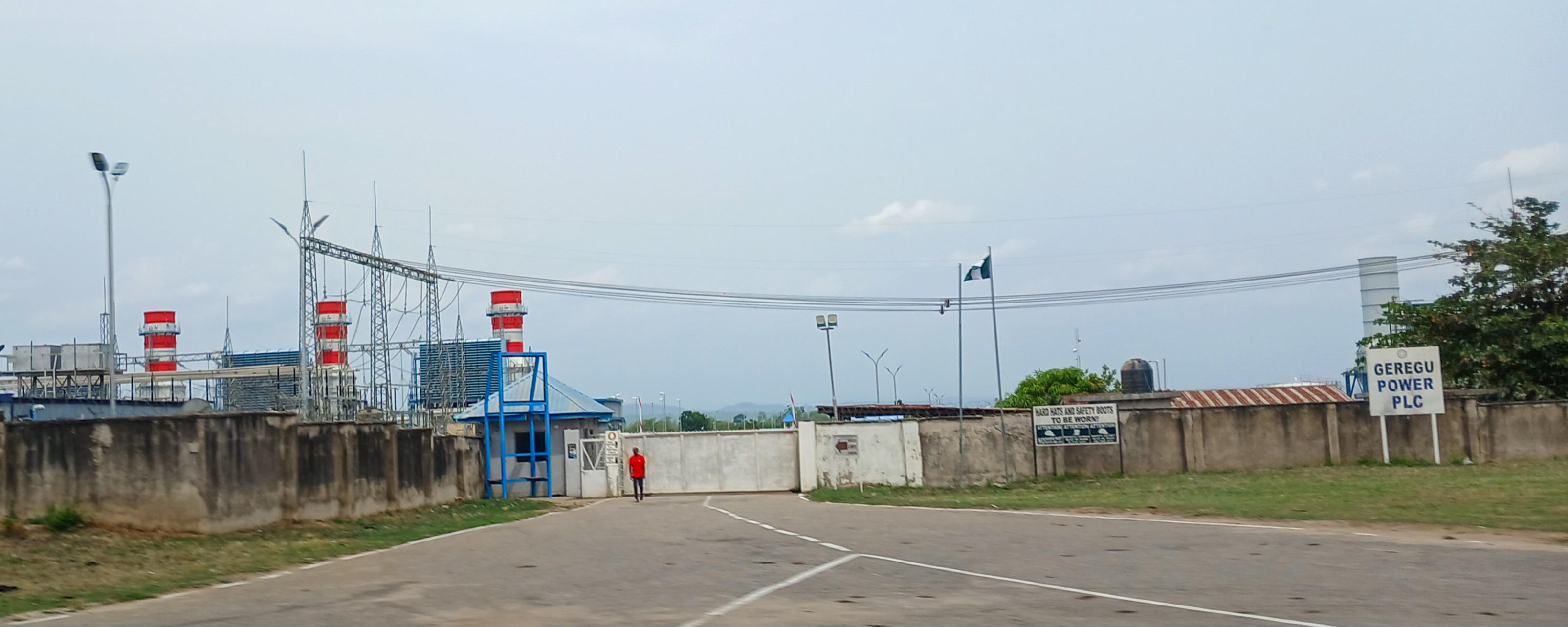
The short version
The company’s claim about pipeline availability leaves separate questions about gas delivered to plants, supply contracts, maintenance and generating readiness.
Two statements address different parts of the supply system
NNPC has disputed suggestions that restrictions in its gas transportation network explain Nigeria’s falling electricity generation. It says pipelines operated by its , NNPC Gas Infrastructure Company Limited, remain available to carry gas to power stations across the country.
PUNCH reported on November 7 that the statement was issued in Abuja by , NNPC’s chief corporate communications officer. The company said its operational records did not show transport-related constraints within the ’s network that could account for the current decline.
The response follows the Nigerian Independent System Operator’s November 5 clarification identifying limited gas availability and reduced water inflows at stations as factors behind lower generation. NISO’s account concerns the availability of generating inputs; NNPC’s clarification focuses on the condition of its transportation infrastructure.
NNPC also said gas production had increased about 10 per cent in 2026 year to date as it pursued the government’s gas development and monetisation programme. That remains the company’s reported gas-production growth, rather than a measure of power generated or proof that every plant had enough fuel.
Production, contracts, deliveries and plant readiness
The company itself drew a distinction between having a available and ensuring the rest of the system is working. It said gas production, commercial supply arrangements and actual deliveries to individual stations needed separate assessment.
Production provides the fuel, while commercial arrangements determine the agreed supply and delivery obligations. Transportation infrastructure carries the gas. A statement about one stage does not establish the quantity a particular generator received or was able to use.
NNPC said a comprehensive assessment should also examine the operational readiness of generating units, their maintenance schedules and the amount of gas actually taken by plants. These factors affect whether available fuel can be turned into electricity.
The water constraint identified by NISO concerns a different form of generation. uses water flows to drive generating equipment, so lower inflows can affect output independently of conditions in gas pipelines. A functioning gas network does not resolve that part of the system operator’s explanation.
NNPC called for suppliers, transporters, generators and NISO to review operational data together, identify specific bottlenecks and guide interventions. Its statement did not publish plant-level gas delivery figures. The issue remains pressing for Nigeria’s grid, where gas-fired plants provide a substantial share of electricity and generation shortfalls reduce supply available to distribution companies.
Understand this story
Distinguish the inputs and infrastructure behind gas-fired and hydroelectric generation.
Sources and reporting notes
- 1. PUNCHPUNCH: NNPC disputes gas-network explanation for lower power generation (opens in a new tab)
What remains unclear
Which plant-level fuel, commercial, maintenance and water constraints account for the generation shortfall.
Which sources support each point?
NNPC said its subsidiary NNPC Gas Infrastructure Company Limited’s gas transportation network remained available to serve power stations and its operating records showed no transport constraint explaining the fall in Nigerian electricity generation. PUNCH reported the statement on Saturday, November 7, 2026, attributing it to chief corporate communications officer Andy Odeh in Abuja.
The Nigerian Independent System Operator’s November 5 clarification attributed lower generation partly to limited gas availability and reduced water inflows at hydroelectric stations. NNPC’s response specifically addressed the operational condition of its own transportation infrastructure.
NNPC claimed gas production had grown about 10 per cent in 2026 year to date in pursuit of the government’s gas development and monetisation agenda. This is a company claim about gas production, not growth in electricity output.
NNPC said gas production, commercial supply arrangements and actual deliveries to individual power plants must be assessed separately from pipeline availability. It also called for examination of generating units’ readiness, maintenance schedules and actual gas taken by plants before identifying causes of the shortfall.
NNPC called for coordinated operational-data review by suppliers, transporters, generators and NISO to identify constraints and interventions. Nigeria faces inadequate generation and reduced supply to distributors, with gas-fired plants important to grid electricity. The statement supplied no figures for gas actually delivered to individual stations.
Loading discussion…