
Nigeria seeks US$500 million more for renewable-electricity access
Reported Nov 15, 2026Quickanomics write-up updated Nov 16, 2026, version 13 min read
Follow the developing story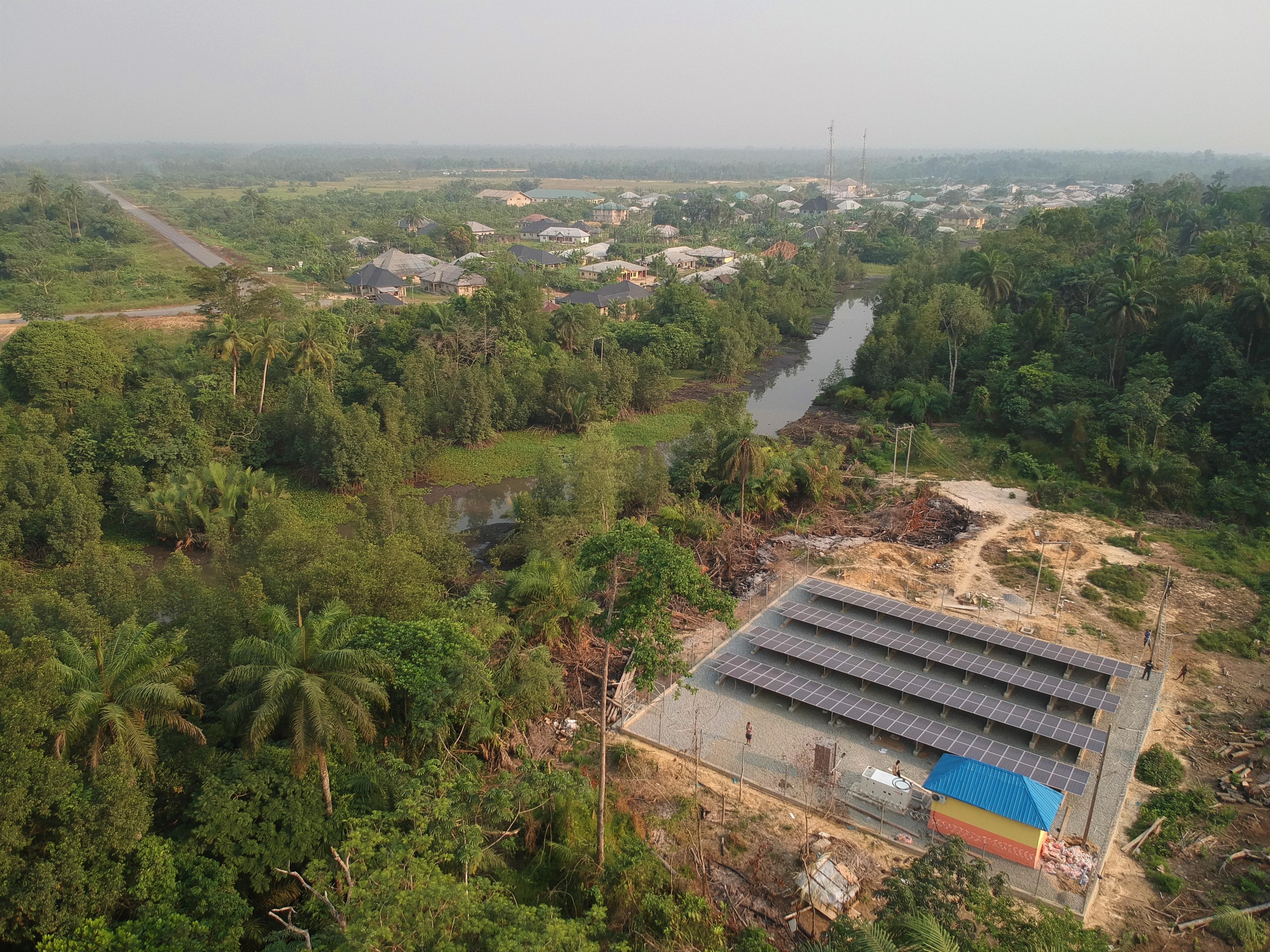
The short version
Nigeria seeks an extra US$500 million for DARES, with World Bank board consideration scheduled for December 18. The proposal would lift bank financing to US$1.25 billion as much existing funding remains .
Nigeria seeks a larger renewable-electricity package
Nigeria is requesting an additional US$500 million from the World Bank to expand its renewable-electricity programme, with board consideration scheduled for December 18, 2026. If approved, World Bank support for DARES would rise from US$750 million to US$1.25 billion.
Punch’s Sami Tunji reports the proposal from a project information document prepared on November 13. The request remains pending: a scheduled board consideration is not approval or a payment.
The Rural Agency implements DARES, formally the Distributed Access through Scale-up project. It seeks to expand private-sector-led services for households, public institutions and micro, small and medium-sized businesses, including schools and healthcare facilities in underserved communities.
The systems include —local electricity networks serving a group of users—and standalone solar installations. Original World Bank financing was approved on December 14, 2023, and became effective on November 15, 2024.
The solar systems use to turn sunlight directly into electricity.
Access improves, but population growth offsets progress
The document cited by Punch estimates that 87.2 million people lacked electricity access in 2024. Although national access increased from 52.5% in 2015 to 61.2% in 2024, population growth meant that the absolute number without access barely declined. Rural access was just 32.9%.
The report describes existing DARES financing as designed to connect more than 18.8 million people, about 22% of the electricity-access gap. It estimates that universal access by 2030 would require around US$23 billion, with distributed renewable systems potentially serving more than 60 million people at lower cost than conventional alternatives. These figures describe needs and potential reach, rather than connections already delivered.
How the proposal changes the financing
The original World Bank package contains US$600 million in shorter-maturity loans and US$150 million in International Development Association credit. The proposed additional finance would increase the credit component to US$650 million while leaving the US$600 million component unchanged.
Overall project costs would increase from roughly US$2.06 billion to US$2.94 billion. Punch reports an increase of US$880.2 million, or 42.71%, comprising US$500 million from the World Bank, US$116.2 million from the French Development Agency and US$264 million in expected commercial financing.
Total commercial financing would rise from US$1.028 billion to US$1.292 billion, while co-financing from other development partners would total US$350 million. The package includes US$193.8 million from Japan International Cooperation Agency, US$49.1 million in trust funds supported by the US Department of Justice and US$40 million in other development-partner finance. These are components of the financing plan, not additional World Bank lending.
lag the original commitment
Punch’s analysis of World Bank transaction records through October 22, 2026 found of US$128.44 million against the original US$750 million commitment, or about 17.13%. The remaining US$621.56 million—82.87%—had not been recorded as in those data. The original financing comprised commitments of US$350 million, US$250 million and US$150 million.
The figures raise an implementation question as Nigeria seeks more borrowing before the original commitment has been fully paid out. However, access to some funds depends on performance conditions, including regulatory reforms and institutional improvements.
The report says two conditions had been met, unlocking US$300 million. That is a different stage from , which records money actually paid out. Approval of a larger package would therefore not, by itself, establish that the money had reached projects or that new electricity services were operating.
Understand this story
Understand how local electricity networks are financed, and why a financing commitment differs from a payment.
Sources and reporting notes
What remains unclear
Will the board approve the additional financing, and how quickly will the expanded programme deliver electricity services?
Which sources support each point?
Nigeria is requesting an additional US$500 million from the World Bank for DARES. If approved, this would raise World Bank financing from US$750 million to US$1.25 billion. Punch reports board consideration scheduled for December 18, 2026, based on a November 13 project document.
DARES is implemented by the Rural Electrification Agency to expand private-sector-led renewable electricity for households, public institutions and micro, small and medium-sized businesses through mini-grids and standalone solar. Original approval was December 14, 2023; effectiveness began November 15, 2024.
The document cited by Punch estimates 87.2 million Nigerians lacked electricity access in 2024. National access rose from 52.5% in 2015 to 61.2% in 2024, but population growth left the number without access little changed. Rural access was 32.9%.
The report says existing DARES financing was designed to reach more than 18.8 million people, about 22% of the access gap. It estimates US$23 billion needed for universal electricity access by 2030 and potential for distributed renewables to serve more than 60 million people at lower cost than conventional alternatives.
The original World Bank package comprises US$600 million in shorter-maturity loans and US$150 million in International Development Association credit. The proposal would raise the latter to US$650 million and leave the former unchanged.
The overall project cost is projected to rise from about US$2.06 billion to US$2.94 billion, an increase reported as US$880.2 million or 42.71%. The extra package comprises US$500 million from the World Bank, US$116.2 million from the French Development Agency and US$264 million in expected commercial financing.
Total commercial financing is projected to rise from US$1.028 billion to US$1.292 billion. Other development-partner co-financing would total US$350 million. The package includes US$193.8 million from Japan International Cooperation Agency, US$49.1 million in trust funds supported by the US Department of Justice, and US$40 million in other development-partner finance.
Punch’s analysis of World Bank transaction records through October 22, 2026 found US$128.44 million disbursed, about 17.13% of the original US$750 million, and US$621.56 million or 82.87% not recorded as disbursed. The original commitments were US$350 million, US$250 million and US$150 million.
Access to some funds depends on performance conditions, including regulatory and institutional changes. The report says US$300 million had been unlocked after two performance conditions were met; unlocking funds is distinct from the transaction-record disbursement total.
Loading discussion…