
Nigeria holds its policy rate at 23% as inflation eases again
Reported Nov 24, 2026Quickanomics write-up updated Nov 24, 2026, version 13 min read
Follow the developing story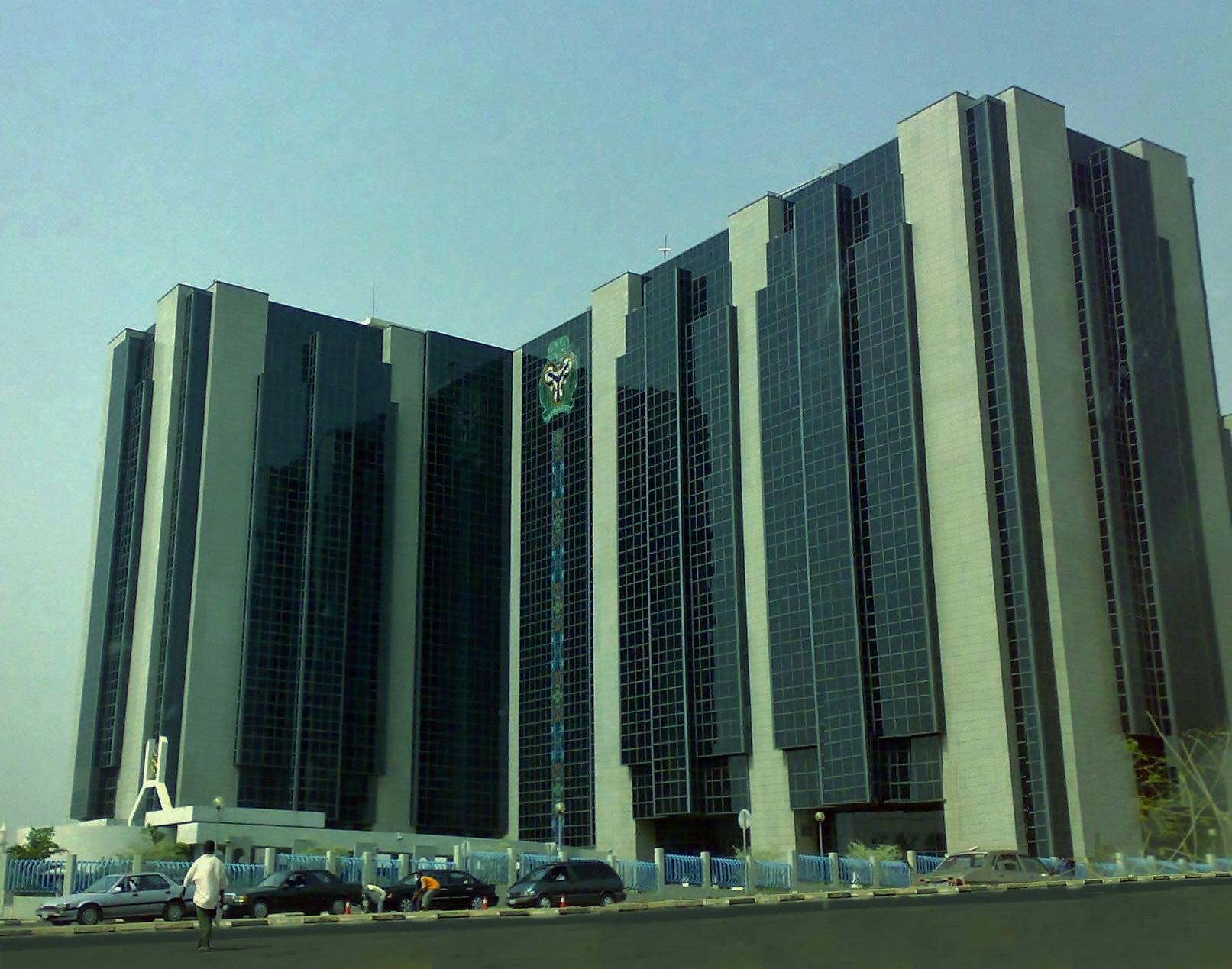
The short version
The Central Bank of Nigeria kept its benchmark at 23% after cutting in September. It cited progress on alongside risks from energy prices and year-end spending.
The stays where September left it
The Central Bank of Nigeria kept its at 23% at the end of its November 23–24 meeting in Abuja. Governor announced the hold as the committee sought to sustain a slowing rate of price increases. The bank had cut from 27% to 26.5% in February, then held in May and July before lowering the rate to 23% in September.
The November decision preserves the at 50 above and 300 below the . Those margins apply respectively to central bank lending and deposits. Premium Times reported that the design is meant to discourage banks from holding idle cash at the central bank. The committee also retained the at 45% for deposit money banks and 16% for merchant banks, alongside the 75% requirement for public-sector deposits outside the .
has eased, with spending risks ahead
The annual rate of fell to 14.06% in October from 14.63% in September and 15.39% in August. Food eased to 19.13% from 19.59% between September and October as harvest supplies began to relieve pressure on farm produce and processed food. declined to 10.78% from 12.95%, with housing, education, insurance and financial services among the drivers.
The committee described the wider slowdown as five consecutive months of moderation and credited a steadier and stronger . Members expect the harvest and a stable to support further progress. They kept rates steady to help anchor in the face of energy supply risks from the conflict in the Middle East and potential price pressure from festive-season and election-related spending.
Activity and reserves support the outlook
The bank said the composite rose from 53.0 points in September to 53.2 in October as industry, agriculture and services improved. reached US$54.02 billion on November 17. It said that would cover 10.26 months of imports of goods and services, and cited improved as another source of resilience. The committee judged the banking system to have adequate capital buffers, while calling for continued supervision.
Members welcomed the central bank’s with Nigerian National Petroleum Company Limited to boost foreign- inflows and help finance energy projects. They linked gains in foreign-exchange and reserves to effective implementation. The committee expects oil output and broader domestic activity to support the economy through the rest of 2026 and into 2027. Energy disruptions and adverse weather remain risks to . The next meeting is on February 22 and 23, 2027, with future decisions tied to incoming data.
Understand this story
Follow the benchmark rate into the terms banks face when borrowing, placing cash or keeping required reserves.
- Interest rates
Identify the cost of borrowing and who sets the rate.
- Standing facilities corridor
The central bank sets the rates for its own lending and deposit facilities at margins on either side of the policy rate.
- Cash reserve ratio
The fraction of qualifying funds required to be held in reserve. Nigeria applies different ratios to different classes of bank and public deposit.
Sources and reporting notes
- 1. Premium TimesCBN retains interest rate at 23% (opens in a new tab)
- 2. Central Bank of NigeriaCentral Bank of Nigeria monetary policy communiqué No. 165 (opens in a new tab)
Which sources support each point?
Olayemi Cardoso announced the Central Bank of Nigeria’s 23% rate hold at the end of the November 23–24, 2026 meeting in Abuja.
A 50-basis-point February reduction took the policy rate from 27% to 26.5%. It was held there in May and July before September’s cut to 23%.
The corridor remains 50 basis points above and 300 basis points below the policy rate, with cash reserve rules of 45% for deposit money banks, 16% for merchant banks and 75% for public deposits outside the Treasury Single Account.
Annual headline inflation eased from 15.39% in August through 14.63% in September to 14.06% in October, 2026.
Core inflation slowed from 12.95% to 10.78% and food inflation from 19.59% to 19.13% between September and October.
The committee cited five months of moderating headline inflation, a steadier exchange rate, policy transmission and the harvest. It cited energy, festive and election spending risks in deciding to hold.
The October composite PMI was 53.2, up from 53.0 in September. US$54.02 billion of gross external reserves on November 17 covered 10.26 months of imports.
The committee welcomed the central bank’s agreement with Nigerian National Petroleum Company Limited and noted improved remittances and bank capital buffers.
The committee expects oil output and domestic activity to support the outlook through the rest of 2026 and into 2027. It will next meet on February 22 and 23, 2027 and will assess incoming data.
Loading discussion…