
Fed’s September rate increase targets elevated inflation
Reported Oct 7, 2026Quickanomics write-up updated Oct 11, 2026, version 81 min read
Follow the developing story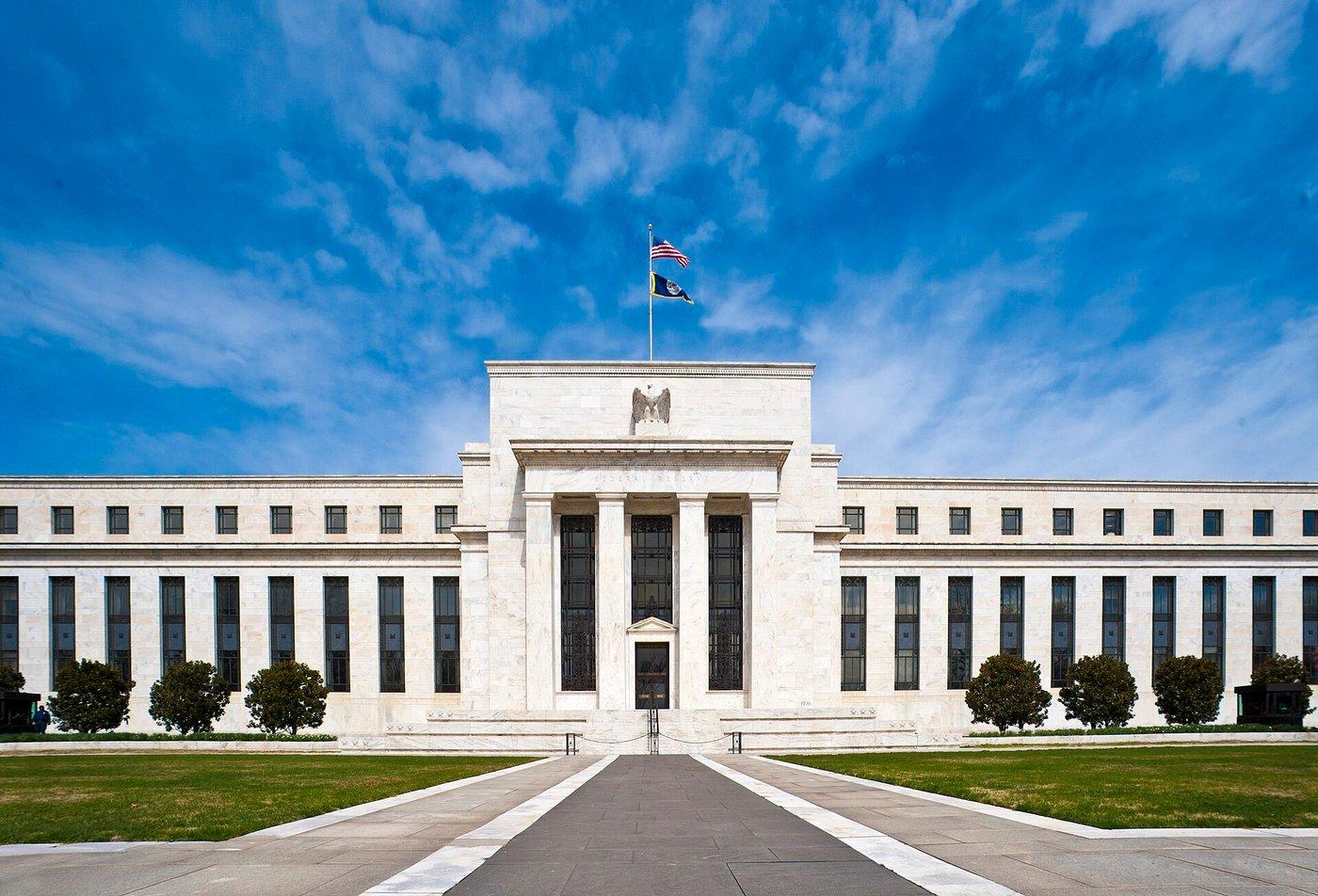
The short version
The Fed’s unanimous September rate increase came amid elevated , solid growth and little change in .
The rate setting and the dates
The Federal Reserve raised its range by 25 to 3¾–4 per cent on September 16, 2026. The vote was unanimous, 12–0.
The increase was decided at the September 15–16 policy meeting. The Fed published that meeting’s minutes on October 7.
The range guides the Fed’s policy setting for short-term interbank lending. Changes influence wider financing conditions through markets and lenders, with the effect varying among loans and borrowers.
The statement described as elevated relative to the Fed’s two per cent goal. That assessment supplies the context for a tighter policy setting.
Growth and the labour market
The Fed described economic growth as solid, supported by resilient domestic spending, strong and robust capital investment.
measures output relative to the inputs used to produce it. Capital investment is spending on productive assets. Both featured in the Fed’s assessment of continued economic resilience.
Job growth was keeping pace with workforce growth, the statement said, while had changed little.
Implementation and uncertainty
The statement also noted continuing geopolitical uncertainty around the outlook.
The Fed continued policy implementation consistent with , the balances held in the banking system’s monetary operating framework.
The historical context
The Fed reverses part of its 2025 rate cuts
Upper bound of the federal funds target range on each effective change date. The steps show policy decisions, not rates charged on individual loans. The September 2026 range was 3.75–4.00%.
% (upper bound of target range)
- Jul 27, 2023 · 5.5%
The target range’s upper bound reached its peak in this period.
- Sep 17, 2026 · 4%
The first increase after three cuts in 2025.
View all 19 observations
| Date | Value |
|---|---|
| Mar 16, 2020 | 0.25 |
| Mar 17, 2022 | 0.5 |
| May 5, 2022 | 1 |
| Jun 16, 2022 | 1.75 |
| Jul 28, 2022 | 2.5 |
| Sep 22, 2022 | 3.25 |
| Nov 3, 2022 | 4 |
| Dec 15, 2022 | 4.5 |
| Feb 2, 2023 | 4.75 |
| Mar 23, 2023 | 5 |
| May 4, 2023 | 5.25 |
| Jul 27, 2023 | 5.5 |
| Sep 19, 2024 | 5 |
| Nov 8, 2024 | 4.75 |
| Dec 19, 2024 | 4.5 |
| Sep 18, 2025 | 4.25 |
| Oct 30, 2025 | 4 |
| Dec 11, 2025 | 3.75 |
| Sep 17, 2026 | 4 |
Understand this story
Explain how a policy-rate change can affect financing without assuming every borrower pays the same rate.
Sources and reporting notes
- 1. Federal Reserve BoardMinutes of the Federal Open Market Committee, September 15-16, 2026 (opens in a new tab)
- 2. Federal Reserve BoardFederal Reserve issues FOMC statement (opens in a new tab)
What remains unclear
The decision does not establish the eventual inflation path or the rate offered on any individual loan.
Which sources support each point?
The Federal Reserve raised its target federal funds rate range by 25 basis points to 3¾–4 per cent on September 16, 2026; the vote was unanimous, 12–0.
The September statement described inflation as elevated relative to the two per cent goal, solid economic growth, resilient domestic spending, strong productivity and robust capital investment.
The statement said job growth continued to keep pace with workforce growth, unemployment had changed little, and geopolitical uncertainty remained. The Fed continued implementation consistent with ample bank reserves.
The Federal Reserve released minutes of the September 15–16 meeting on October 7, 2026. The minutes publication is later information about the September meeting, not a new October 7 rate decision.
Loading discussion…