
Mexico’s inflation reaches 3.96% as electricity and produce get dearer
Reported Nov 24, 2026Quickanomics write-up updated Nov 24, 2026, version 12 min read
Follow the developing story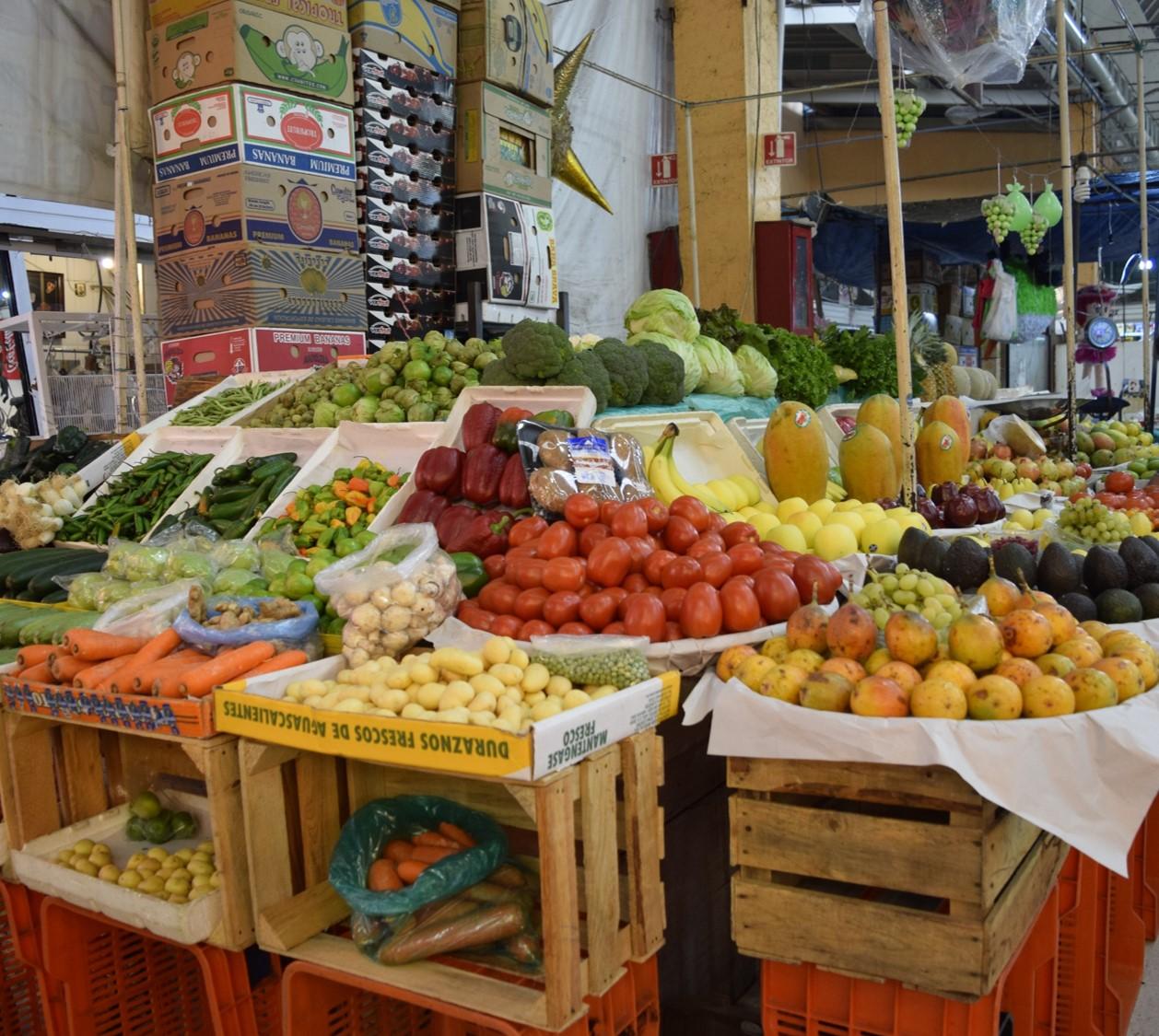
The short version
The rose 0.54% from the previous half-month. Higher electricity, tomato and tomatillo prices drove the increase while core prices edged down.
Electricity and produce lift headline
Mexico’s annual rose to 3.96% in the first half of November, its highest reading since May, Forbes México reported. INEGI, the country’s statistics institute, said the rose 0.54% from the last half of October. A year earlier, for the same half of November was 3.61%. The October 2026 reading of 3.75% was for the month as a whole.
Electricity contributed the largest individual share of the increase over the half-month. It rose 20.74% as the warm-season subsidy ended in 11 cities. Red tomatoes climbed 28.95% and green tomatillos 39.31%. Eggs and chicken also cost more. The institute reported lower prices for onions, air travel and courgettes. Forbes México also highlighted increases in professional services, serrano and poblano chillies, owner-occupied housing and .
Fruit and vegetable prices rose 5.50% over the half-month and 20.05% compared with a year earlier. The broader agricultural group rose 6.65% over the year. Together with energy and prices authorised by the government, farm prices are reflected in the , which rose 2.72% from the previous half-month and 4.90% over the year.
Core prices fall over the half-month
The core price index fell 0.10% from the previous half-month. Goods in the core basket fell 0.25% and services edged up 0.05%. On a year-on-year basis, was 3.68%, services rose 4.17% and tuition was up 5.84%.
The overall 3.96% reading fell just inside Banco de México’s 2% to 4% variability interval and remained above its 3% . The interval recognises that price shocks can move around the target over short periods.
Two members voted against the November cut
Banco de México cut its overnight target by 25 to 6.25%, effective November 6. Forbes México described the cut as a surprise. and voted to hold at 6.50%. The magazine reported they saw a weaker peso as a risk and that had highlighted large increases in labour-intensive services such as restaurants. He also said the weaker could feed through to goods later.
, Banco Base’s director of economic and financial analysis, told Forbes México she regarded the current rate as roughly neutral for economic activity and insufficient to bring down actively. The central bank’s own November forecast puts headline at 3.7% in the fourth quarter of 2026, with expected to reach its target in the equivalent quarter of 2027. INEGI’s next half-month release is scheduled for December 23.
The historical context
Mexico’s early-November inflation was higher than in 2025
Annual change in Mexico’s headline consumer price index in the first half of November of each year shown, using the matching half-month a year earlier as the base.
percent year over year
- Nov 15, 2026 · 3.96
Fruit and vegetable prices were 20.05% higher than a year earlier.
View all 3 observations
| Date | Value |
|---|---|
| Nov 15, 2024 | 4.56 |
| Nov 15, 2025 | 3.61 |
| Nov 15, 2026 | 3.96 |
Understand this story
Read Mexico’s consumer price index by separating the all-items inflation rate from the faster-moving non-core prices.
Sources and reporting notes
- 1. Forbes MéxicoLa inflación se acelera a 3.96% en la primera mitad de noviembre (opens in a new tab)
- 2. INEGIINEGI consumer price index for the first half of November 2026 (opens in a new tab)
- 3. INEGIINEGI consumer price index for October 2026 (opens in a new tab)
- 4. Banco de MéxicoBanco de México monetary policy decision on November 5, 2026 (opens in a new tab)
- 5. Banco de MéxicoBanco de México monetary programme for 2026 (opens in a new tab)
Which sources support each point?
Mexico’s annual inflation was 3.96% in the first half of November 2026, up from 3.61% a year earlier. The index rose 0.54% over the prior half-month to 148.110 points.
Forbes México described the 3.96% rate as the highest since May and identified electricity and tomato prices among the main drivers.
Mexico’s full-month October annual inflation was 3.75%.
Non-core prices rose 2.72% over the half-month and 4.90% annually. Fruit and vegetables rose 5.50% and 20.05%, respectively. Annual agricultural inflation was 6.65%.
Core prices fell 0.10% over the half-month and rose 3.68% annually. Annual service and tuition inflation were 4.17% and 5.84%, respectively.
Electricity rose 20.74%, red tomatoes 28.95% and tomatillos 39.31%. INEGI linked electricity to the expiry of seasonal discounts in 11 cities. Eggs and chicken rose, while onions, air travel and courgettes fell.
Professional services, serrano and poblano chillies, owner-occupied housing and liquefied petroleum gas also pushed prices higher.
The central bank targets 3% annual inflation with a variability interval from 2% to 4%.
Banco de México cut 25 basis points to 6.25% effective November 6. Galia Borja Gómez and Jonathan Heath voted for a 6.50% hold.
Forbes México reported that both dissenters warned of a weaker peso. Heath described double-digit minimum wage rises as a challenge in services and a weaker currency as a risk for goods.
Banco Base’s Gabriela Siller characterised the policy rate as near neutral and regarded it as insufficient to actively restrain inflation.
Banco de México’s November forecasts put fourth-quarter 2026 headline inflation at 3.7% and target convergence in the fourth quarter of 2027.
INEGI’s indicated next half-month publication date is December 23, 2026.
Loading discussion…