
Lula wins fourth term as debt and an opposition Congress shape Brazil’s outlook
Reported Oct 26, 2026Quickanomics write-up updated Oct 26, 2026, version 13 min read
Follow the developing story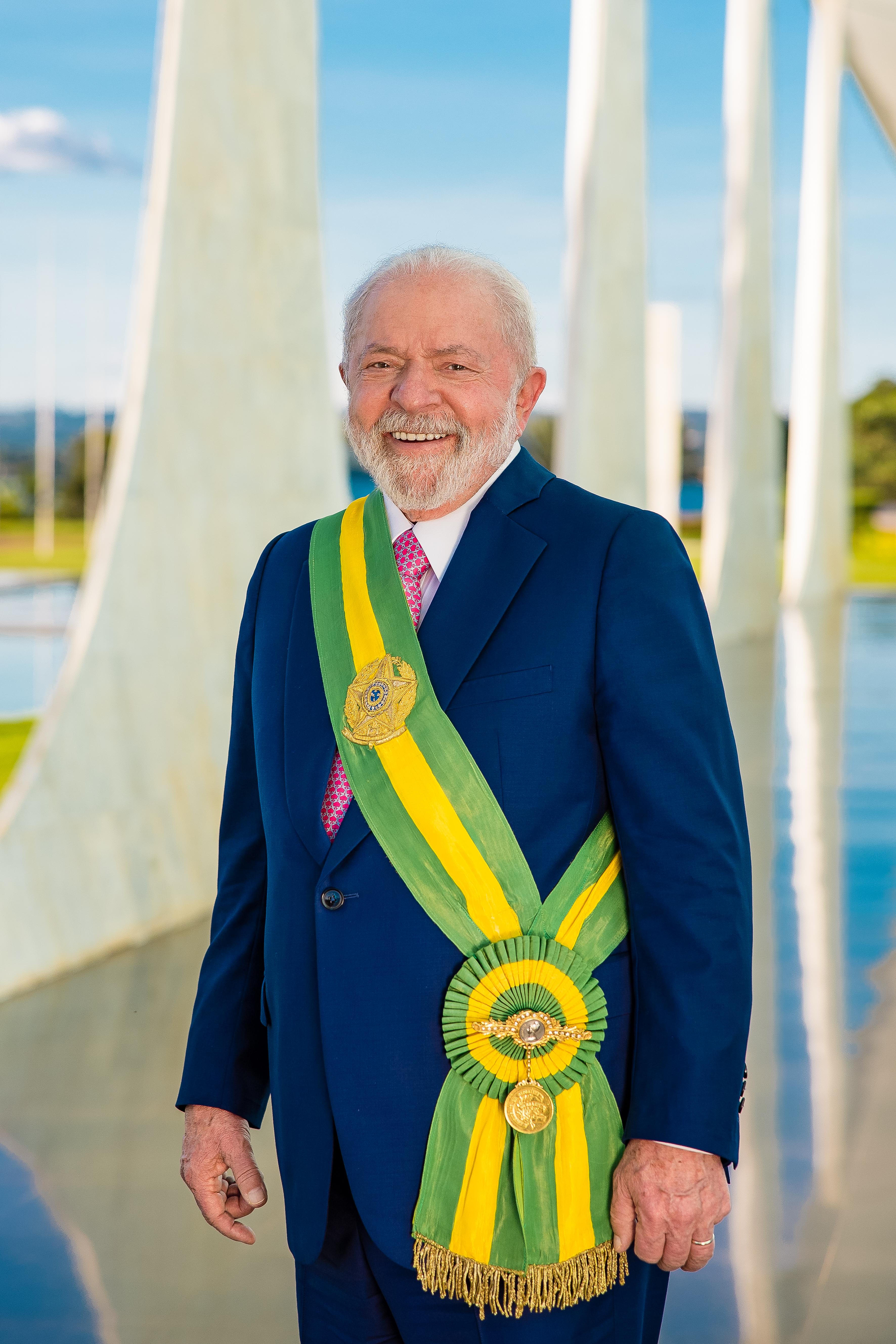
The short version
wins another term against but faces an opposition-led Congress, high and a disputed voting extension, as a Tokyo-listed Brazil fund falls sharply.
Victory comes with a promised challenge
Brazilian President has won a fourth term, defeating Senator by more than four million votes in the October 25 run-off and setting up a difficult negotiation over public spending with an opposition-led Congress.
, 80, overturned his second-place finish in the first round. Reuters, in a report published by The Business Times, says he is the first candidate to do so since Brazil returned to democracy in the 1980s.
said he would seek annulment over a Supreme Court decision extending voting by two hours. His own campaign had also requested an extension because of heavy rain in the south. RANE’s Latin America analyst said protests were possible, but judged reversal of the result very improbable.
Agência Senado reports that the court’s decision followed a complaint by ’s campaign about failures in voter transport. It applied to polling places still open when the decision was issued and did not reopen closed polls.
The result continues a long political rivalry. served from 2003 to 2011, was imprisoned in 2018–2019 on corruption charges later overturned, and returned to win in 2022. Former president , Flávio’s father, never accepted his loss that year and was later given a 27-year sentence over a coup plot.
Turnout, markets and campaign pledges
A Tokyo-listed tracking Brazil’s Bovespa index fell nearly 15% in Asian trading after ’s victory. An pools investments while its shares trade on an exchange; this price move concerns that fund, rather than an equivalent measured fall in Brazil’s index.
Pollsters said better-than-expected turnout helped . , co-founder of Think Policy, described voters choosing a familiar course associated with established rights. ’s campaign pointed to falling poverty and inequality and record lows in , illiteracy and deforestation during his third term.
The president warned his opponent would cut welfare, reverse social advances and surrender influence to US President . Reuters reports that the US State Department campaigned to bring the Bolsonaros back to power. , a former foreign minister, portrayed the victory as a counterweight in Latin America.
Late campaign pledges included free nationwide public transport at weekends, which still requires formal submission to Congress. A 15% increase in ’s principal welfare programme is already being implemented. A constitutional amendment he championed, described by Reuters as the country’s largest labour reform in decades, passed with broad congressional support.
An opposition majority and a heavy debt burden
The next Congress is described by Reuters as Brazil’s most conservative since the return to democracy. Flávio’s Liberal Party and allied parties could control more than 280 seats in the lower house and up to 50 in the Senate, enough for comfortable opposition majorities in both chambers.
That could reinforce Congress’s influence over the budget, major legislation and key appointments. Experts expect its right-wing members to pursue business-friendly structural reforms and spending cuts, with the possibility of a popular backlash.
The economic backdrop is difficult. The government forecasts growth of 2.3% in 2027, while has risen above 82% of , its highest since the pandemic. measures the economy’s production; the ratio compares accumulated government obligations with that annual output.
Critics attribute the debt rise to spending, though borrowing costs drove most of the increase. Goldman Sachs expects at most modest progress in restraining spending as remains committed to a state-led growth model.
Rising household debt is another concern for economists. responded during the campaign with a provisional ban on online betting and a new debt-relief programme. Those measures sit alongside promises that will need to be pursued through a less supportive legislature.
Understand this story
Distinguish the size of an economy from the stock and financing cost of government debt.
- Gross domestic product
The value of annual economic production; Brazil’s public debt is reported relative to GDP.
- Public debt
Accumulated government obligations, reported above 82% of annual GDP.
- Interest rates
The cost of borrowing; high financing costs account for most of the reported increase in public debt.
Sources and reporting notes
- 1. The Business TimesLula, Brazil’s iconic working class president, wins fourth term in dramatic comeback (opens in a new tab)
- 2. Agência SenadoLula é reeleito para quarto mandato de presidente (opens in a new tab)
What remains unclear
Whether Flávio Bolsonaro’s promised election challenge changes the result.
What form Lula’s weekend public-transport proposal takes when submitted to Congress.
Which sources support each point?
Brazilian President Luiz Inácio Lula da Silva, aged 80, won a fourth term on October 25, 2026, defeating Senator Flávio Bolsonaro by more than four million votes after finishing second in the first round. Reuters reported that this was the first such turnaround since Brazil returned to democracy in the 1980s.
Flávio Bolsonaro said he would seek annulment over the Supreme Court’s two-hour voting extension. His campaign had also sought an extension because of rain in the south. RANE Latin America analyst Mário Braga said protests were possible but reversal was very improbable. These were a promised challenge and an analyst assessment, not an annulment.
Lula was previously president from 2003 to 2011, was jailed from 2018 to 2019 on corruption charges later overturned, and returned to win in 2022. Jair Bolsonaro, Flávio’s father, never accepted his 2022 loss and was later given a 27-year sentence over a coup plot.
A Tokyo-listed exchange-traded fund tracking Brazil’s Bovespa index fell nearly 15% in Asian trading after the result. The figure describes that fund, not a measured 15% fall in Brazil’s stock index.
Pollsters attributed Lula’s victory to better-than-expected turnout. Think Policy co-founder Leonardo Barreto said voters chose a familiar path that guaranteed certain rights. Lula’s campaign highlighted falling poverty and inequality and record lows in unemployment, illiteracy and deforestation during his third term.
Lula warned during the campaign that his opponent would cut welfare and social advances and yield sovereignty to US President Donald Trump. Reuters reported that the US State Department campaigned to restore the Bolsonaros to power. Former foreign minister Celso Amorim said Lula would provide a point of balance in Latin America.
Lula’s late pledges included free nationwide weekend public transport, which still required formal submission to Congress, and a 15% increase in his main welfare programme already being implemented. A constitutional amendment he championed, described as Brazil’s largest labour reform in decades, passed with broad congressional support.
Bolsonaro’s Liberal Party and allies could control more than 280 lower-house seats and up to 50 Senate seats, giving the opposition comfortable majorities in both chambers. Reuters described the incoming Congress as the most conservative since Brazil returned to democracy in the 1980s.
The government forecasts economic growth of 2.3% in 2027. Public debt has risen above 82% of gross domestic product, its highest since the pandemic. Critics blame spending, while borrowing costs drove most of the debt increase. Goldman Sachs expects at most modest spending restraint in Lula’s fourth term under his state-led growth approach.
High household debt concerns economists. During the campaign Lula introduced a provisional online-betting ban and a new debt-relief programme. Experts expected the incoming right-wing Congress to seek business-favouring structural reforms and spending cuts, with a risk of popular backlash.
The Supreme Court decision followed a Lula-campaign complaint about transport failures and applied to polling places still open, without reopening closed polls.
Loading discussion…