
Libya restores Sharara oil flows to Zawiya as Hamada pipeline stays shut
- Libya Economic ReviewLibya reopens Sharara oil pipeline as crude pumping resumes (opens in a new tab)
- Libyan National Oil CorporationNational Oil Corporation statement on the Sharara and Hamada pipeline closures (opens in a new tab)
- Libyan National Oil CorporationNOC outlines losses from ongoing Hamada pipeline closure (opens in a new tab)
Reported Nov 24, 2026Quickanomics write-up updated Nov 24, 2026, version 12 min read
Follow the developing story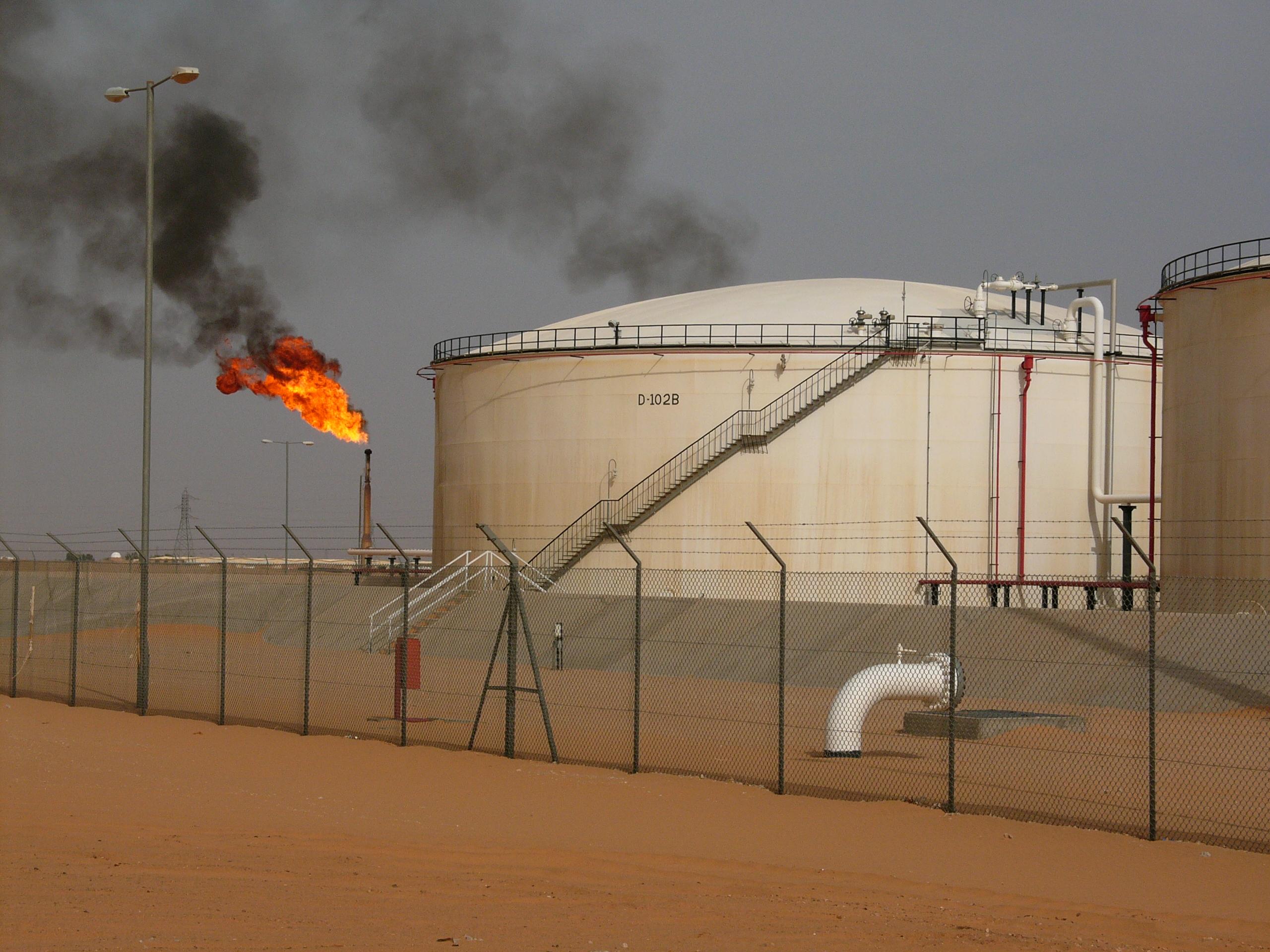
The short version
Crude reached storage at Zawiya again after about 10 hours of disruption. Libya’s state oil company had put about 350,000 barrels a day of Sharara output at risk.
Sharara crude returns to storage
Libya’s National Oil Corporation said oil from Sharara was reaching storage in the coastal city of Zawiya again on November 23. Chairman confirmed the resumption of pumping, according to Libya Economic Review. The outlet reported that the line was closed for about 10 hours after an unauthorised group halted flows.
Before the reopening, the corporation had warned that about 350,000 barrels a day of Sharara production could be lost while the line was shut. That figure describes the potential pace of loss during a disruption. The restart put crude back into the Akakus Oil Operations tanks. ’s announcement gave no new restored flow rate.
Akakus operates Sharara in southwestern Libya under an arrangement involving the state oil company and Repsol, TotalEnergies, OMV and Equinor. The route connects a major inland source of crude to storage serving export and facilities in Zawiya. Resuming flows restores that link and gives the operator a way to supply the coastal facilities again.
Hamada’s losses continue
The separate Hamada line has remained closed for more than two weeks. The National Oil Corporation put the lost output there at about 15,000 barrels a day. In its November 21 assessment, after more than 20 days of closure, the company put cumulative losses at 302,778 barrels worth about US$30.8 million at prevailing crude prices. Fixed at the affected fields continued. While both routes were affected, the corporation put the combined daily production hit at about 365,000 barrels.
The state company’s board asked the Petroleum Facilities Guard and other government authorities to protect the infrastructure and help restore flows. It said legal action would follow against those responsible. Sharara’s reopening lifts the larger immediate threat to crude deliveries. The continuing outage at Hamada still limits production and strains the reliability of a route used to supply the coast.
Understand this story
Trace the partnership behind Sharara and follow its crude from production to refining and estimated sales.
- Joint venture
The participating companies cooperate in the operation of the Sharara oilfield through Akakus Oil Operations.
- Petroleum refining
Turning crude oil into fuels and other products. The Zawiya storage facilities can supply the local refinery as well as exports.
- Revenue
The estimated sales value of the oil the company says was lost. Its estimate uses average crude prices and is separate from fixed operating costs.
Sources and reporting notes
- 1. Libya Economic ReviewLibya reopens Sharara oil pipeline as crude pumping resumes (opens in a new tab)
- 2. Libyan National Oil CorporationNational Oil Corporation statement on the Sharara and Hamada pipeline closures (opens in a new tab)
- 3. Libyan National Oil CorporationNOC outlines losses from ongoing Hamada pipeline closure (opens in a new tab)
What remains unclear
How much oil is moving through the Sharara line following the restart?
When will the Hamada pipeline reopen?
Which sources support each point?
Libya’s National Oil Corporation chairman Masoud Suleman said on November 23 that Sharara oil reached Akakus’s Zawiya storage again after about 10 hours of interruption.
The Sharara field is in southwestern Libya and is operated by Akakus Oil Operations, involving NOC, Repsol, TotalEnergies, OMV and Equinor. The route feeds storage for refining and export at coastal Zawiya.
NOC had warned of about 350,000 barrels per day at risk from Sharara plus 15,000 barrels per day lost at Hamada, a combined exposure of 365,000 barrels per day.
Hamada has been shut for more than two weeks. As of November 21, NOC estimated 302,778 barrels lost at about US$30.8 million in revenue before continuing fixed costs.
The NOC board asked authorities to protect the oil infrastructure and said it planned to take legal action against those responsible.
Loading discussion…