
Japan launches Asian oil security task force and proposes shared storage
- EuronewsJapan launches Asian oil task force amid Gulf supply disruptions (opens in a new tab)
- International Energy AgencyJapan and IEA joint statement about the proposed Asia oil security hub (opens in a new tab)
- Japan Ministry of Foreign AffairsJapan MOFA: The fourth AZEC leaders meeting and POWERR Asia (opens in a new tab)
Reported Nov 23, 2026Quickanomics write-up updated Nov 23, 2026, version 13 min read
Follow the developing story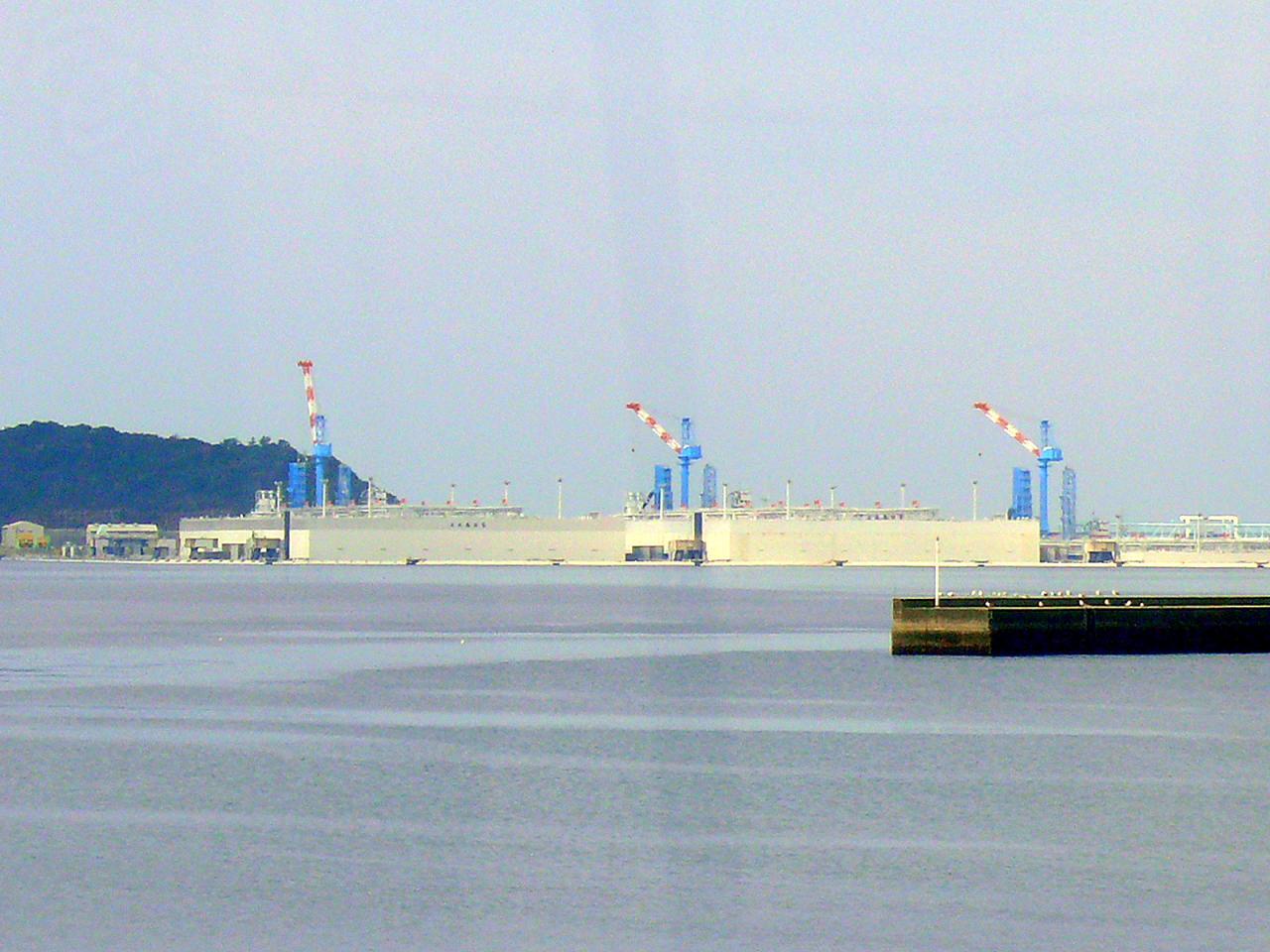
The short version
Japan has formed an Asian oil security task force and proposed a Tokyo hub with the International Energy Agency. A separate agreement supports work on Philippine reserves.
A regional task force starts work
Japan launched the Asia Oil Security Task Force on November 17 as disruptions through the Strait of Hormuz renewed interest in emergency reserves across the region. Prime Minister announced the initiative at the Asia Zero Emission Community meeting in Manila, held alongside the Association of Southeast Asian Nations summit.
The task force will assess existing supplies and storage and consider how countries might coordinate responses. It will work with the International Energy Agency and the Economic Research Institute for ASEAN and East Asia. The joint Japanese and IEA statement says the group builds on a Japanese energy resilience initiative launched in April 2026.
Japan and the IEA also proposed an oil security hub to support the group. The Japan Organization for Metals and Energy Security would host it in Tokyo, drawing on the agency’s teams in Paris and Singapore. The proposal covers help building reserve systems, sharing oil market data and developing options for a joint emergency response.
Where shared storage could fit
Japan is offering to explore the use of idle tanks, including at closed , for partners’ reserves. Its Foreign Ministry says that work could complement a Philippines-led regional stockpiling initiative. Philippine Trade Secretary said Singapore, Indonesia and Malaysia had expressed support and the United Arab Emirates had shown interest in storing oil in countries with spare capacity.
An agreement on when one country could draw oil from another country’s stocks has yet to be reached, Euronews reported. also put forward a separate proposal for Japan to help connect Middle Eastern oil suppliers with Asian consumers.
Japan and the Philippines signed a separate memorandum in Manila on November 16 on developing Philippine . The terms provide for work on storage facilities, possible financing, and rules for stock management and emergency releases. The Philippine Department of Energy said the three-year cooperation period begins after both governments complete domestic procedures and exchange diplomatic notices.
Why governments hold stocks
In 2025 roughly a quarter of the world’s seaborne oil trade moved through the Strait of Hormuz, and about 80% of that flow was for Asian markets, according to the IEA. Oil-importing members such as Japan must hold stocks equal to at least 90 days of .
On March 11 the agency’s members agreed to make 400 million barrels available from reserves to respond to disruptions from the Iran war. The IEA called this its largest coordinated release. Such a release provides a temporary source of oil. The Manila task force will consider how governments in the region might organise a response to a future shortage.
Understand this story
See how net imports affect the reserve requirement and how stored oil can help during a supply disruption.
- Net imports
IEA members’ minimum is measured against the average daily amount imported after deducting exports, with the agency’s specified adjustments.
- Strategic oil reserves
The Philippines is planning emergency crude or fuel stocks, and the new task force will consider how countries can use stored reserves during disruptions.
Sources and reporting notes
- 1. EuronewsJapan launches Asian oil task force amid Gulf supply disruptions (opens in a new tab)
- 2. International Energy AgencyJapan and IEA joint statement about the proposed Asia oil security hub (opens in a new tab)
- 3. Japan Ministry of Foreign AffairsJapan MOFA: The fourth AZEC leaders meeting and POWERR Asia (opens in a new tab)
- 4. Philippines Department of EnergyPhilippines, Japan Sign Pact to develop Strategic Oil Reserves (opens in a new tab)
- 5. International Energy AgencyIEA members agree largest emergency oil stock release (opens in a new tab)
What remains unclear
What terms will participating countries set for access to oil held in one another’s storage?
Which sources support each point?
Japan launched a regional emergency oil task force in Manila on November 17, 2026.
The task force will assess stockpiles and emergency coordination, backed by a proposed IEA hub in Tokyo.
Japan proposed using spare tanks for regional partners, with interest reported from several countries and mechanisms yet to be agreed.
Around a quarter of seaborne oil trade used Hormuz in 2025, with around 80% of that flow bound for Asia. IEA members agreed on a record release in March.
The Philippines and Japan signed a separate memorandum on November 16, 2026, for a three-year effort to develop Philippine emergency stockholding.
Japan also proposed closer ties between Gulf producers and Asian buyers.
Loading discussion…