Small businesses seek an extension to Jamaica’s cheque phase-out, citing transfer fees, gaps in acceptance and the resources needed to change payment methods.
The remaining transition
The Small Business Association of Jamaica is seeking more time before paper cheques are eliminated, saying the banking timetable risks putting additional pressure on that still depend on them.
President told the Jamaica Observer that an extension of even a year would allow businesses to adapt while banks and other stakeholders strengthen digital-payment infrastructure. The association, SBAJ, has a network of more than 700 businesses. described members’ continued cheque use as “more than 20–30 per cent”, and said many operators lack the resources, equipment and training to change smoothly.
The association supports modernisation of Jamaica’s financial system, he said, but regards the schedule as too aggressive. Its request comes after the first restriction has already taken effect, rather than before the programme began.
Under the Bank of Jamaica and Jamaica Bankers Association timetable, cheques valued at J$1 million or more stopped being accepted or processed on September 1, 2026. The threshold is scheduled to fall to J$500,000 on March 1, 2027 and J$100,000 on September 1, 2027. Complete elimination follows on March 1, 2028.
Declining use and transfer costs
The Observer reports that BOJ views the phase-out as a way to reduce systemic payment risks and encourage high-value transactions through electronic channels. Those channels include , , which handles individual transfers between financial institutions, and , , which processes payment instructions through a clearing system.
Cheque use has fallen markedly. In 2025 the volume processed declined 12.6% to 2.4 million, and the total value fell 6.9% to J$444 billion. The comparison with 2010 is larger: more than 8.4 million cheques worth approximately J$2.3 trillion were processed then. The volume and value figures measure different aspects of use; a falling total does not establish that every firm can readily replace the instrument.
says fees linked to the value of an transfer, together with other transaction costs, can squeeze small firms’ . His concern is that removing cheques may leave a micro-merchant paying more for the transfers needed to keep trading.
At least two church groups have also sought judicial review of the decision. They allege that BOJ exceeded its legal authority and breached rights to equitable treatment, saying members use cheques to conduct business, pay bills and clear debts. The report describes the groups seeking review of those allegations.
A usable alternative across the supply chain
SBAJ links its concerns to slow adoption of , the digital issued by Jamaica’s central bank. says incomplete integration, too few active providers and limited compatible equipment leave some businesses without practical, affordable alternatives.
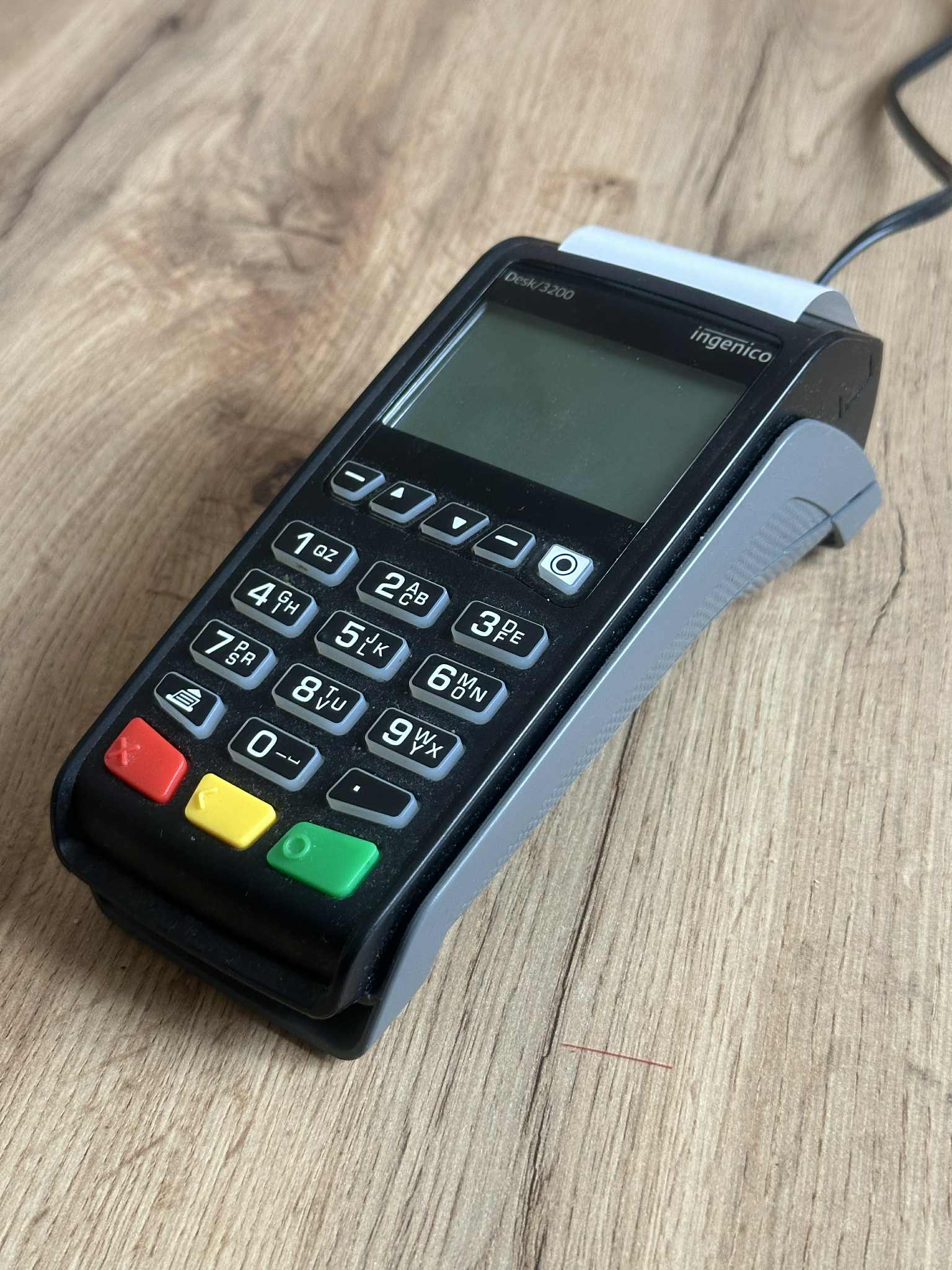
A system enables a merchant to accept customer payments, while a provides access to electronic payment funds. Their usefulness depends on the wider trading network. says some rural operators cannot spend or accept at local wholesalers; receiving it from a customer is less useful if stock must be bought through another, more expensive channel.
The association says merchants need ways to collect customer payments, pay suppliers and purchase inventory across their supply chains. It also seeks training for owners unfamiliar with digital platforms and online banking. ’s argument concerns the readiness of businesses on the ground, rather than opposition to electronic payments in principle.
He calls for BOJ, commercial banks and other stakeholders to strengthen infrastructure, expand merchants’ access to wallets and provide practical help. SBAJ says it is prepared to collaborate but wants a transition timetable that takes account of smaller firms’ financial and technological circumstances.