
Loading the context…
Loading the context…
Reported Oct 11, 2026Quickanomics write-up updated Oct 11, 2026, version 23 min read
Follow the developing story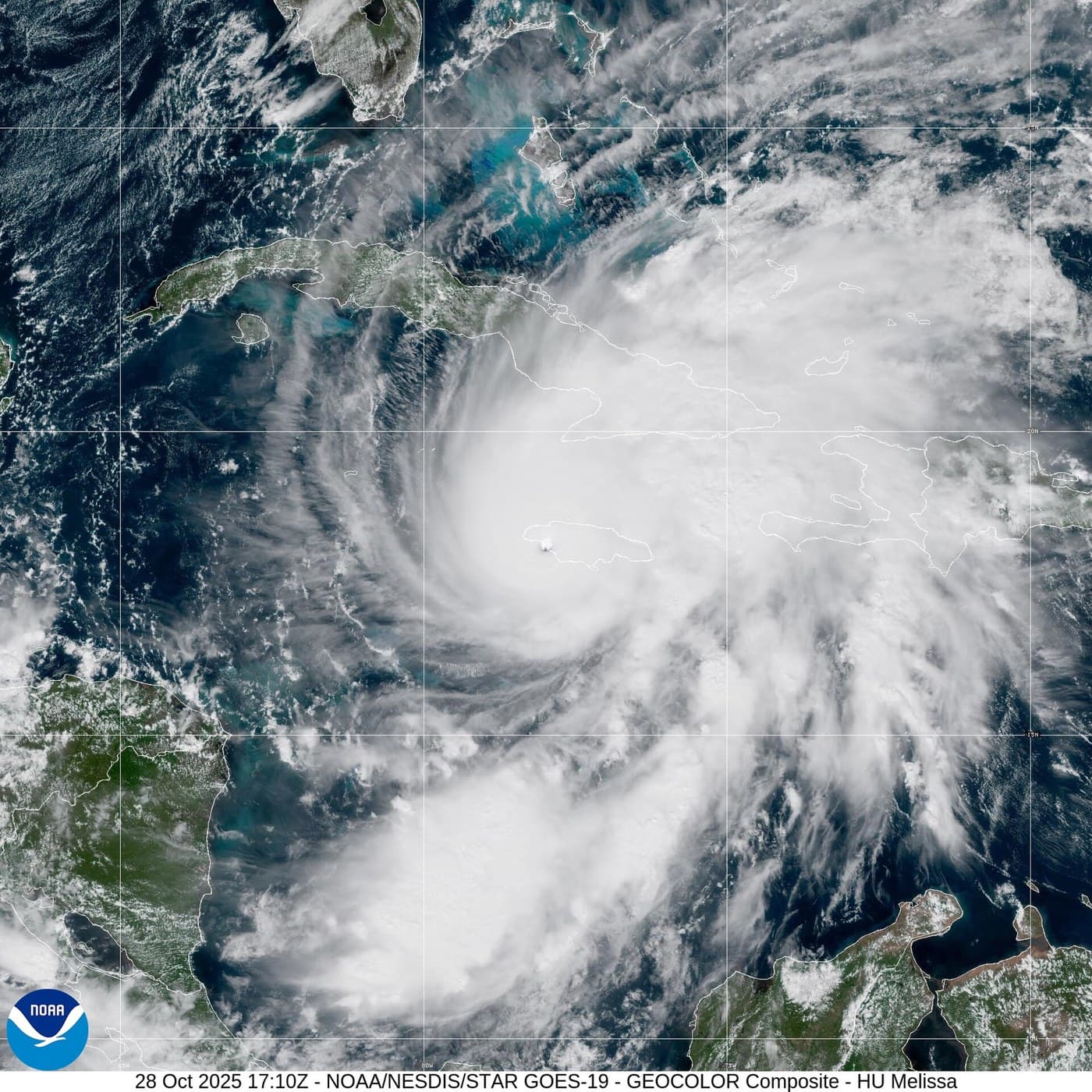
Insurers’ Melissa payments reached J$54.35 billion by September 30, with uneven progress and a regulatory review planned for October 16.
Jamaican insurers have reported J$54.35 billion in property and motor payments arising from Hurricane Melissa, while 983 claims remained outstanding at September 30, 2026, according to new Insurance Association of Jamaica figures published by the Gleaner. The storm struck in October 2025.
The association counted 8,357 claims out of 9,340 across the specified categories, an overall of 89.5%. Participating insurers supplied the figures, which can change as assessments and progress.
claims include closures without payment. The association counts full and final payment alongside closure because the insurer has no liability, the claimant withdraws the claim or the loss falls below the .
Property claims account for J$51.98 billion of payments and motor claims for J$2.37 billion. Within property insurance, commercial claims received J$41.61 billion, or 80%, and residential claims J$10.37 billion.
IAJ president said more detailed disclosure and further updates were intended to improve transparency. She described the payments as an important contribution to recovery, while recognising continuing concerns about outstanding claims, especially in commercial and tourism businesses, and disputes involving , valuations and . The association said it would keep monitoring claims and engaging insurers, the FSC, brokers, and affected stakeholders.
St James received the largest recorded property payout, J$30.55 billion, representing 58.8% of the property total. Hanover received J$3.52 billion, Westmoreland J$2.94 billion and St Ann J$1.75 billion. Another J$9.33 billion related to islandwide and multi-location policies. St James, Hanover and Westmoreland together accounted for approximately 71.2% of recorded property payments.
The association attributes relatively low payouts in badly damaged St Elizabeth to limited . Property owners without adequate cover can sustain heavy losses while receiving little or no insurance payment.
also varies by category. Motor claims reached 96.5%, residential property 85.7%, commercial property 83.1% and engineering claims 55.2%. Commercial and residential property accounted for 740 of the 983 unfinished cases, approximately 75% of the remaining workload.
General-insurance vice-president said the figures would help focus work on unresolved assessments, reinstatement, documentation and claims requiring additional review. Insurers were working with and customers, whose timelines had differed.
Alongside delays, have raised concerns about how claims are valued. An can reduce payments where a property is insured below its value or required level of cover. are available where appropriate, the association said, but remain subject to policy terms and arrangements.
The Financial Services Commission is preparing a separate verified review. The FSC plans to publish its update on October 16, 2026. In a Thursday release reported by the Gleaner, executive director said it would distinguish fully claims from cases, agreed amounts awaiting payment, disputes and claims still being assessed.
The regulator is meeting insurers to identify prolonged delays, weaknesses in communication and additional assessment or documentation requirements, and to determine whether further supervisory action is needed. said delayed payouts can hold back home repairs, business continuity, employment and wider recovery. Responsibility for settling individual claims remains with insurers under their policy terms.
increased from J$63.3 billion in September 2025 to J$151.7 billion in June 2026. The FSC attributed part of the change to Melissa and cautioned that the liability figures have limits. The claims-level analysis is intended to provide a more accurate picture of progress.
The FSC expects insurers to explain their decisions clearly and resolve outstanding matters promptly. A dissatisfied with the handling of a claim should first use the insurer’s complaints process and may then make a written complaint to the commission.
Loading discussion…