
Jamaica’s Senate passes LNG duty relief for bauxite and alumina producers
Reported Nov 22, 2026Quickanomics write-up updated Nov 22, 2026, version 13 min read
Follow the developing story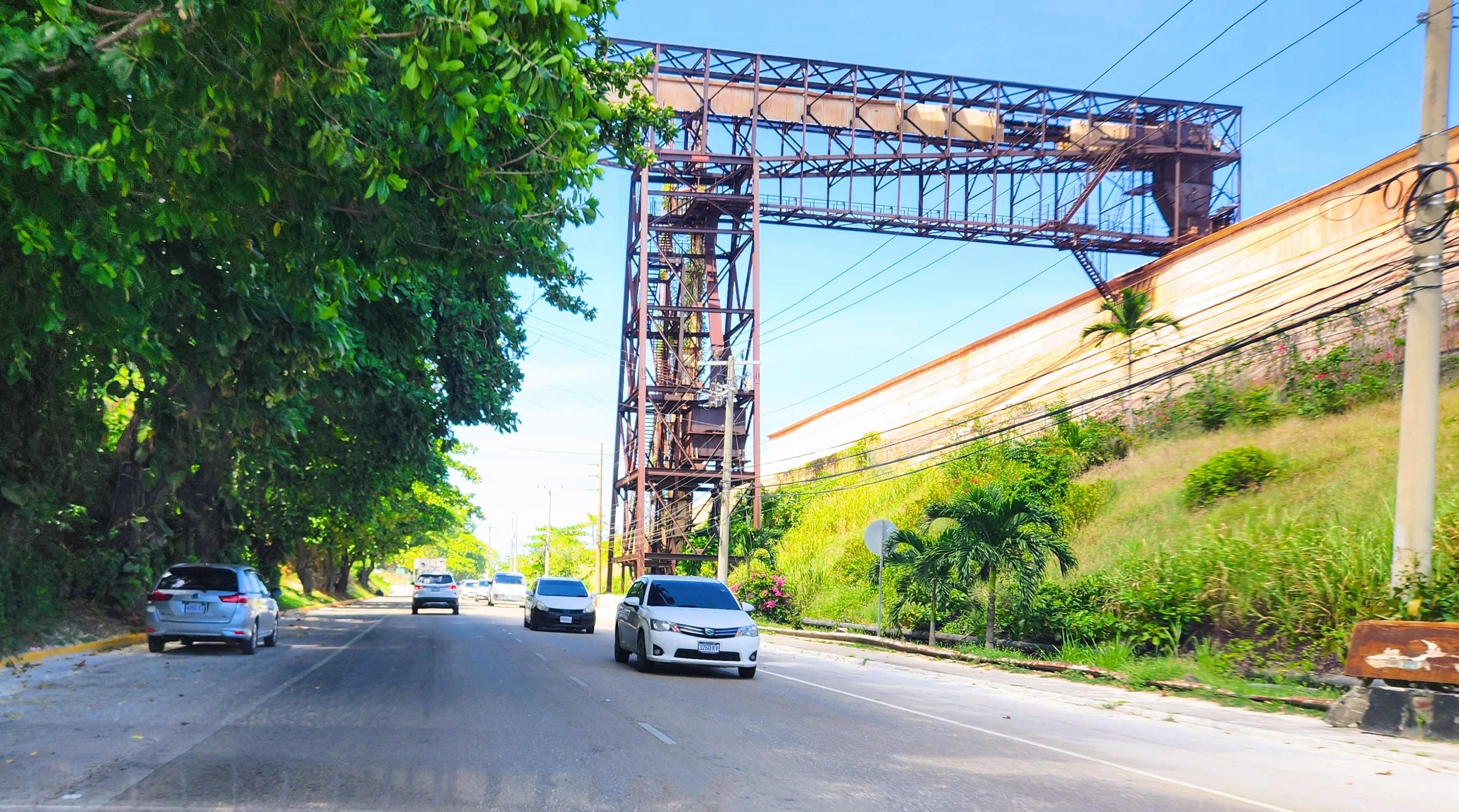
The short version
Jamaica’s Senate backed a customs exemption for used in the industry. Senators also pressed for labour investment, recovery of outstanding payments and action on .
What the exemption covers
Jamaica’s Senate passed legislation on November 20 to exempt eligible imports of from customs duties in the industry, the Jamaica Observer reported. The measure amends a 1950 law that already exempted certain petroleum fuels for recognised producers. It ties the relief to specified activities, from mining and treating to transporting and shipping it, and to manufacturing, moving and shipping from Jamaican .
The two products sit at different stages of production. is the ore. Processing it produces , which can be shipped for smelting into aluminium. High energy costs weaken Jamaica’s ability to compete across the industry, Government Senate leader said. She said Jamaica’s share of world output had fallen from about 18% in the 1970s to 1.4% in 2024. Switching from bunker C heavy fuel oil to could reduce emissions and maintenance costs, she said.
Government Senator backed the measure and called on operators to upgrade equipment, maintain operations and develop workers’ skills. He proposed a five-year review to see whether the relief improved competitiveness.
Recovering payments and restoring land
, who leads Opposition Business in the Senate, argued that the government should pursue what companies already owe and could put collections toward programmes such as education. Johnson Smith said US$15 million had been recovered under profit-sharing arrangements between December 2024 and October 1, 2026. She said efforts to collect the rest were continuing.
said 264.40 hectares of mined-out land remained unrestored. She cited a two-year deadline for reclamation and a penalty assessed by area under regulations amended in 2004. She pointed to yam, peanut and cassava cultivation on restored land in Manchester and St Elizabeth. Johnson Smith said the outstanding penalties under discussion concerned the quarrying subsector and were with Parliament’s Public Accounts Committee. She cited separate work under the Land Rehabilitation Programme, including health facilities, solar street lighting and greenhouse cultivation where soil conditions limit crops.
The resettlement backlog
The debate also turned to linked to mining and resettlement. Johnson Smith put the backlog at just over 2,000 as of September 2026. She said 2,160 had been delivered between 2012 and 2026, and gave a narrower count of 1,078 issued from January 2020 to September 2026, including 211 in 2026.
said some families were being asked for probate documents when a relative had died. Those papers can be needed to establish who is entitled to act for an estate. Johnson Smith acknowledged that disagreements within families and documentation can delay the process.
Understand this story
Follow the ore through its production stages and see where removing an import tariff can change a producer’s costs.
- Bauxite and alumina
The bill covers moving and treating Jamaican bauxite ore, and making and moving alumina refined from that ore.
- Liquefied natural gas
The Senate bill would exempt LNG imports from customs duty for specified mining, refining and shipping uses by recognised producers.
- Tariff
The bill would remove an import tariff otherwise due on LNG used in the specified bauxite and alumina operations.
Sources and reporting notes
- 1. Jamaica ObserverBauxite sector can contribute more to economy, says Scott Mottley (opens in a new tab)
Which sources support each point?
The Jamaican Senate passed the Bauxite and Alumina Industries (Encouragement) (Amendment) Act, 2026 on November 20. It extends an exemption in the 1950 law, which already covered certain petroleum fuels, to liquefied natural gas (LNG) imported by recognised producers. Eligible uses include extraction, treatment, transport and shipping of bauxite and manufacture, transport and shipping of alumina made from Jamaican bauxite.
Government Senate leader Kamina Johnson Smith said Jamaica’s share of world bauxite production fell from about 18% in the 1970s to 1.4% in 2024. She cited high energy costs and said switching from bunker C heavy fuel oil to LNG could reduce emissions and equipment maintenance.
Opposition Senate leader Donna Scott-Mottley called for collection of industry obligations and suggested directing receipts to programmes such as education. Johnson Smith said US$15 million in profit-sharing payments was collected between December 2024 and October 1, 2026, with collection of the remaining balance continuing.
Scott-Mottley said 264.40 hectares of mined-out land had not been restored and invoked the two-year reclamation requirement and $25,000 per-hectare penalty she said followed 2004 regulatory amendments. She cited yams, peanuts and cassava grown on restored land in Manchester and St Elizabeth. Johnson Smith said the outstanding penalties raised in the debate were for quarrying and were before the Public Accounts Committee. She described health-facility improvements, solar street lights and agricultural projects under the Bauxite Land Rehabilitation Programme, including greenhouse cultivation where the soil was unsuitable for many crops.
Johnson Smith said just over 2,000 land titles were outstanding as of September 2026 and 2,160 were delivered from 2012 to 2026. She said 1,078 had been issued from January 2020 through September 2026, including 211 in 2026. Scott-Mottley cited probate paperwork in some inheritance cases; Johnson Smith cited documentary requirements and family disputes.
Government Senator Kavan Gayle supported duty relief and said producers should upgrade equipment, maintain operations and strengthen workers’ skills. He proposed a review after five years to see whether the relief improved competitiveness.
Loading discussion…