
Jamaica’s FTC seeks costs of local-only rum ageing
Reported Nov 11, 2026Quickanomics write-up updated Nov 11, 2026, version 13 min read
Follow the developing story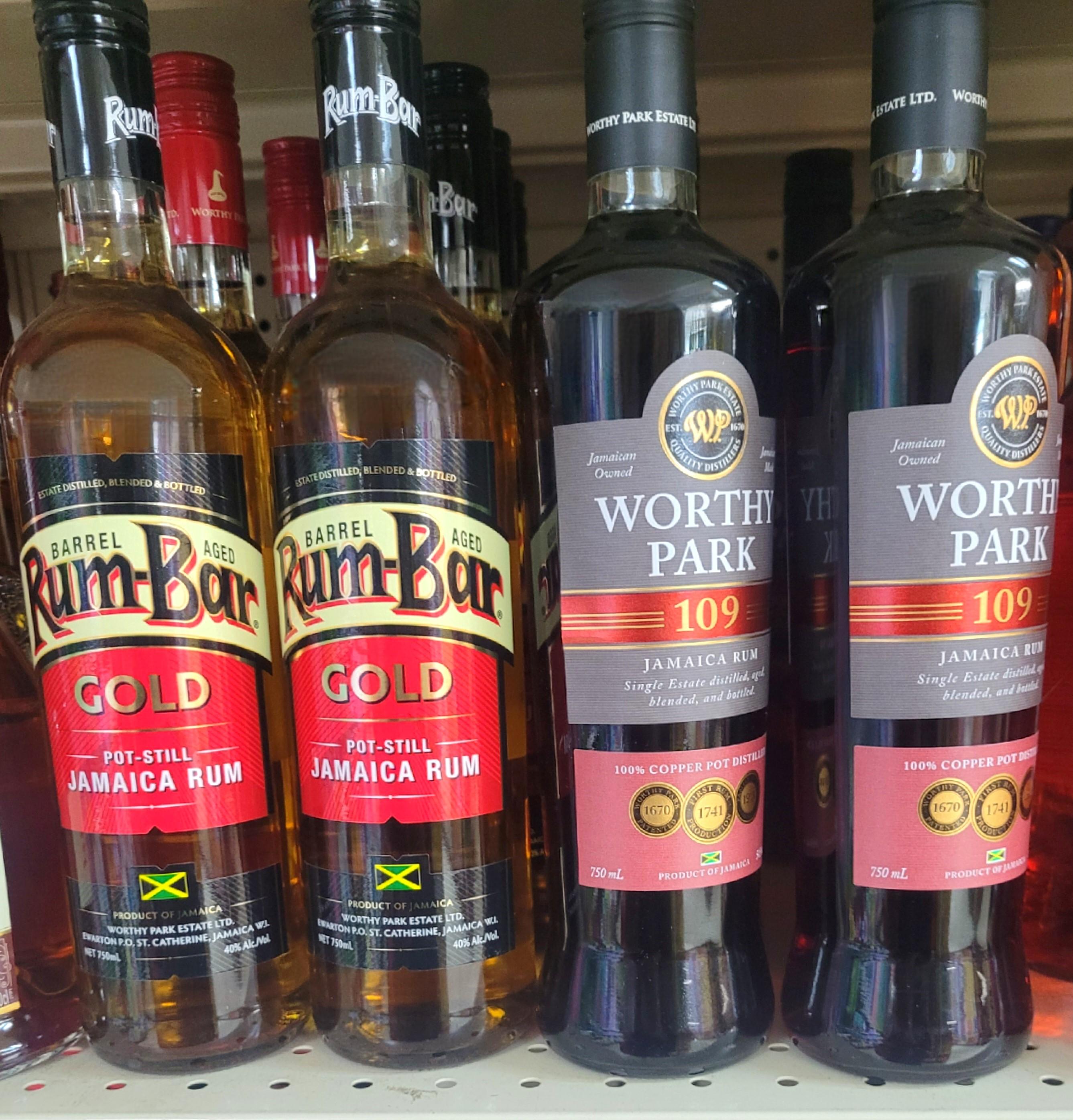
The short version
The FTC will consult on the economics of Jamaica-only rum ageing, weighing producers’ costs and export arrangements against possible gains from stronger protection of origin and premium-market positioning.
Ageing rule faces an economic review
Jamaica’s Fair Trading Commission will seek producers’ cost evidence this month as it examines the requirement that rum carrying the Jamaica Rum designation must be aged on the island. Executive director told the Financial Gleaner the consultation should run for about two months, with its duration depending on industry responses.
The exercise concerns a , a designation linking a product’s origin with defined characteristics, reputation or production standards. Jamaica Rum was registered in 2016 and is administered by the Spirits Pool Association. In 2024, the Jamaica Office approved amendments requiring local ageing for rum sold under the designation.
National Rums of Jamaica had pressed for overseas maturation to remain eligible. It argued that sending rum abroad to age was an established trading practice that did not undo its Jamaican origin. The Spirits Pool Association and several producers backed the local-only requirement, saying tropical ageing contributes to the spirit’s character and reputation.
The disagreement is therefore about the conditions attached to a valuable origin name as well as the location of production work. Producers can face different costs depending on where their existing warehouses and export relationships are organised.
Costs and brand protection pull in different directions
Producers supporting overseas ageing point to warehouses closer to final markets and lower evaporation losses in cooler climates. Supporters of local maturation argue that moving the work abroad dilutes the designation’s link to origin and removes skilled employment from Jamaica.
The FTC’s preliminary study, published in October, found that the local-only rule could raise and require new at distilleries that currently send rum abroad to mature. means investment in facilities or equipment that will be used over time. The study also identified possible disruption to established export arrangements and a weaker competitive position for some producers.
The commission also identified a potential benefit: tighter protection of authenticity and origin could distinguish Jamaica Rum from competing spirits and improve its position in premium overseas markets. That is an economic possibility being assessed alongside the costs, rather than an announced increase in export prices.
The Gleaner cited Economic and Social Survey Jamaica figures showing rum exports of US$63.5 million, equivalent to J$10.1 billion, in 2025. Earnings rose 11.6 per cent from US$56.9 million in 2024. The US$6.6 million increase was the largest for any product in the food, beverages and tobacco group, underscoring the scale of the trade affected by the debate.
Responses will shape the final study
The FTC plans to seek submissions from J. Wray & Nephew, National Rums of Jamaica, Worthy Park Estate, Hampden Distillery and the Spirits Pool Association. JIPO, investment and export agency JAMPRO, the Ministry of Industry, Investment and Commerce and members of the public will also be invited to comment.
said the study would be published once responses had been received. If the commission develops recommendations to improve competitiveness or the competitive framework, these would be shared with producers, the association and government agencies. No final recommendation or change allowing overseas ageing was announced in the report.
Understand this story
Connect a protected product designation to the investment a producer may need to comply.
Sources and reporting notes
- 1. Jamaica GleanerRegulator wants economic cost of ageing Jamaica’s rum sector locally versus overseas (opens in a new tab)
What remains unclear
What net cost or benefit will the FTC find after producer and public submissions?
Which sources support each point?
Jamaica’s Fair Trading Commission will consult rum producers in November 2026 on the cost of ageing locally rather than overseas. Executive director David Miller told the Financial Gleaner the exercise should last about two months, depending on responses.
The Jamaica Rum geographical indication was registered in 2016 and is administered by the Spirits Pool Association. JIPO approved amendments in 2024 requiring rum sold under that designation to be aged only in Jamaica. National Rums of Jamaica had sought permission for overseas ageing, arguing it was a longstanding trade practice consistent with Jamaican origin.
Producers favouring overseas ageing say warehouses closer to export markets and lower evaporation in cooler climates reduce costs. Supporters of local ageing say it protects origin, tropical maturation character and skilled Jamaican employment.
The FTC preliminary study published in October said local-only ageing could raise operating costs, require capital spending by affected distilleries, disturb export arrangements and weaken some producers’ competitive position. It also said stronger protection of authenticity and origin could differentiate Jamaica Rum and improve its standing in premium overseas markets.
The FTC will seek input from J. Wray & Nephew, National Rums of Jamaica, Worthy Park Estate, Hampden Distillery, the Spirits Pool Association, JIPO, JAMPRO, the Ministry of Industry, Investment and Commerce, and the public. Miller said the final study would be published after feedback and any recommendations shared with producers, the association and government agencies.
The Economic and Social Survey Jamaica figures cited by the Gleaner put 2025 rum exports at US$63.5 million, equivalent to J$10.1 billion, up 11.6 per cent from US$56.9 million in 2024. The US$6.6 million increase was the largest product gain in the food, beverages and tobacco group.
Loading discussion…