
Iraq’s top court backs federal oversight of Kurdish-region crossings and oil fields
- Shafaq NewsIraq’s top court affirms federal powers over Kurdistan borders, oil (opens in a new tab)
- Kurdistan Regional GovernmentKRG Council of Ministers Reaffirms Commitment to Fulfilling Constitutional Obligations and Demands Full Provision of Constitutional Rights (opens in a new tab)
- Al JazeeraIraq’s top court rules government can take over Kurdish borders, oil fields (opens in a new tab)
Reported Nov 25, 2026Quickanomics write-up updated Nov 25, 2026, version 12 min read
Follow the developing story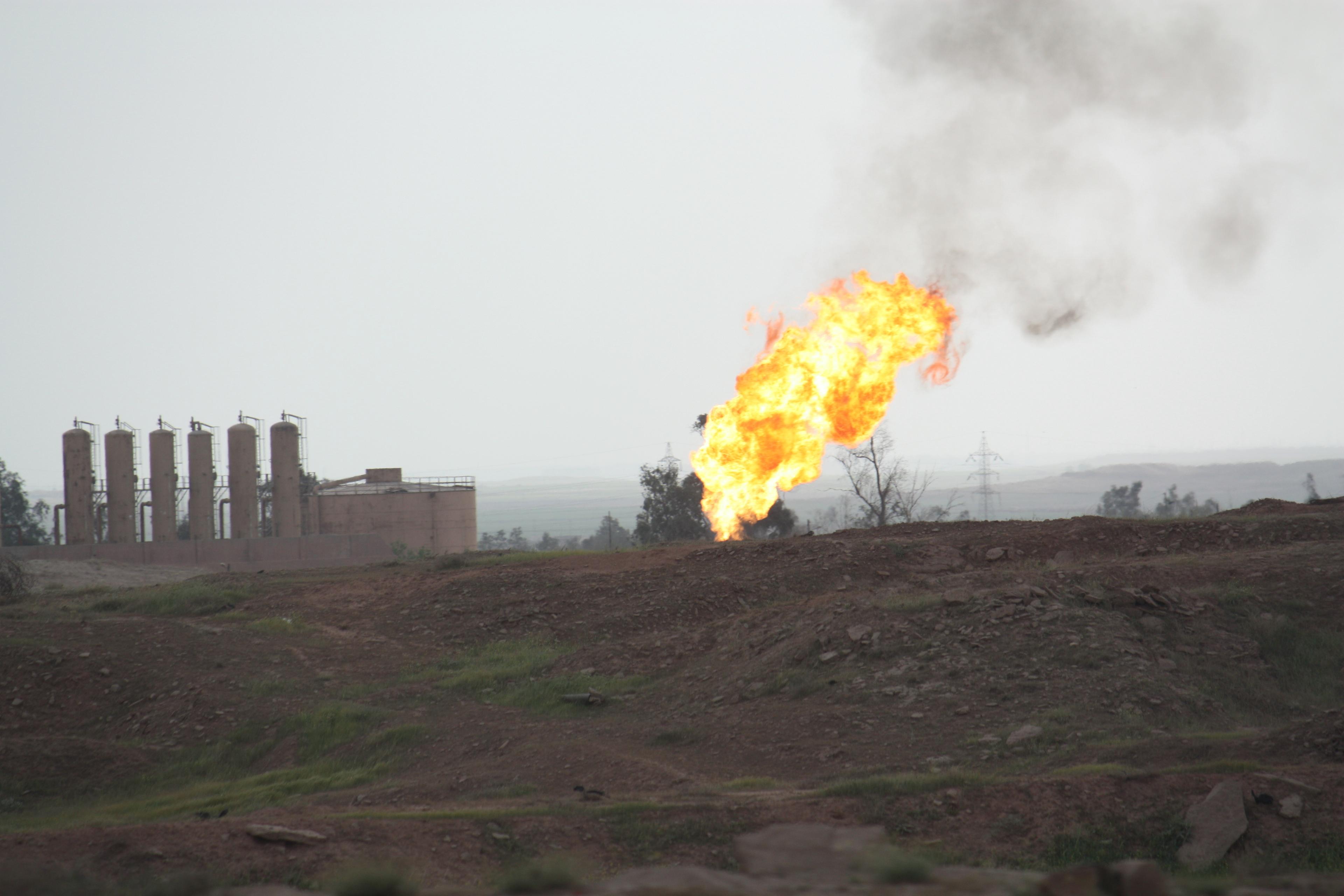
The short version
Iraq’s Federal Supreme Court backed federal border and oil oversight a day after Baghdad issued orders affecting crossings and fields under Kurdish security control. Kurdish authorities opposed the measures.
Federal court backs Baghdad’s border and oil oversight
Iraq’s Federal Supreme Court ruled on November 25 that securing its international borders is an exclusive federal power, including in territory administered by the Kurdistan Region. The final majority decision, with two judges dissenting, also backed federal oversight of agencies operating at border crossings. It said customs administration still requires coordination with regional and provincial governments.
The court said the federal Oil Ministry and federal oversight bodies can supervise and audit oil and gas fields, contracts and operations involving production and exports. Under Article 112, the federal government shares management of extracted oil and gas with producing regions and governorates. The court also affirmed Baghdad’s federal power to set a uniform customs and oversee public money from non-oil sources.
Prime Minister had directed federal authorities the previous day to take control of Kurdistan Region crossings and require federal approval for oil exports. He instructed the Oil Ministry to manage its fields in Kirkuk, Nineveh, Saladin and Diyala that were under Kurdish security control. The government said its actions followed an investigation involving the state-owned North Oil Company.
Regional objections and the question of enforcement
The Kurdistan Regional Government’s Council of Ministers said the federal measures violated the region’s constitutional rights and rejected what it described as military threats. It called for dialogue, said it would continue cooperating against corruption and smuggling, and called for the implementation of Article 140 on disputed territories. Al Jazeera reported that Baghdad had provided no details on when or how the takeover would happen.
Iraqi state media cited a government intelligence report alleging that oil was diverted from Kirkuk and Sulaimaniyah. The court’s ruling addressed the division of powers. Al Jazeera reported that al-Zaidi had separately confronted the Iran-aligned militia Kataib Hezbollah after smuggling allegations, reaching a compromise that let federal forces enter its stronghold.
, director of the Iraq Initiative at Chatham House, told Al Jazeera that the government was trying to restore authority in a fragmented state. He described a judiciary supportive of centralising some powers. The Kurdish government’s objections show how much still depends on how the decision is put into practice.
Understand this story
Understand how authority over trade and natural resources can be divided between national and regional governments.
- Federalism
Iraq’s federal system divides responsibility among Baghdad, regions and provinces. Border security and joint management of extracted oil follow different provisions.
- Tariff
The court affirmed that Baghdad can set a common schedule of customs charges, while administration still requires coordination.
Sources and reporting notes
- 1. Shafaq NewsIraq’s top court affirms federal powers over Kurdistan borders, oil (opens in a new tab)
- 2. Kurdistan Regional GovernmentKRG Council of Ministers Reaffirms Commitment to Fulfilling Constitutional Obligations and Demands Full Provision of Constitutional Rights (opens in a new tab)
- 3. Al JazeeraIraq’s top court rules government can take over Kurdish borders, oil fields (opens in a new tab)
- 4. National Iraqi News AgencyFederal Court says border protection and oil policy are federal responsibilities (opens in a new tab)
What remains unclear
When and how Baghdad will implement the orders on crossings and oil fields.
Which sources support each point?
Iraq’s Federal Supreme Court issued interpretation 268/Federal/2026 on November 25, 2026 at Prime Minister Ali al-Zaidi’s request. The final majority ruling, with two judges dissenting, held that protecting international borders is an exclusive federal responsibility, including in the Kurdistan Region, and supported federal oversight of crossings. Customs administration requires coordination with regional and provincial governments.
The court said Iraq’s federal Oil Ministry and federal oversight agencies can supervise and audit fields, contracts, production and exports. Article 112 provides for joint management of extracted oil and gas with producing regions and governorates. The constitution says these resources belong to all Iraqis. Baghdad can set a common customs tariff and oversee public money collected from non-oil sources.
On November 24, 2026 Prime Minister Ali al-Zaidi directed the federal Border Ports Authority to take over crossings and said exports require ministry approval. He directed the federal Oil Ministry to manage ministry-owned fields in Kirkuk, Nineveh, Saladin and Diyala under Kurdish security control. The orders followed an investigation into oil smuggling involving the state-owned North Oil Company.
On November 25, 2026 the Kurdistan Regional Government’s Council of Ministers rejected the federal military statement as contrary to its constitutional rights. It called for dialogue and said it would continue to cooperate against corruption and oil smuggling. It called for full implementation of Article 140 on disputed areas.
Al Jazeera reported that the Iraqi government gave no implementation timetable. Iraqi state media, citing the federal government’s intelligence, alleged diversion of North Oil Company oil from Kirkuk and Sulaimaniyah. The reported diversion was an allegation, distinct from the court’s determination of constitutional responsibilities.
Al Jazeera reported that Ali al-Zaidi’s move followed a separate confrontation with the Iran-aligned militia Kataib Hezbollah over smuggling allegations and a compromise allowing federal troops into its stronghold. Chatham House’s Renad Mansour described an effort to reassert federal authority in a fragmented state, where implementation faces substantial political obstacles.
Loading discussion…