
Holness sets mineral-development and state alumina sale tasks for new ministry
Reported Nov 2, 2026Quickanomics write-up updated Nov 3, 2026, version 13 min read
Follow the developing story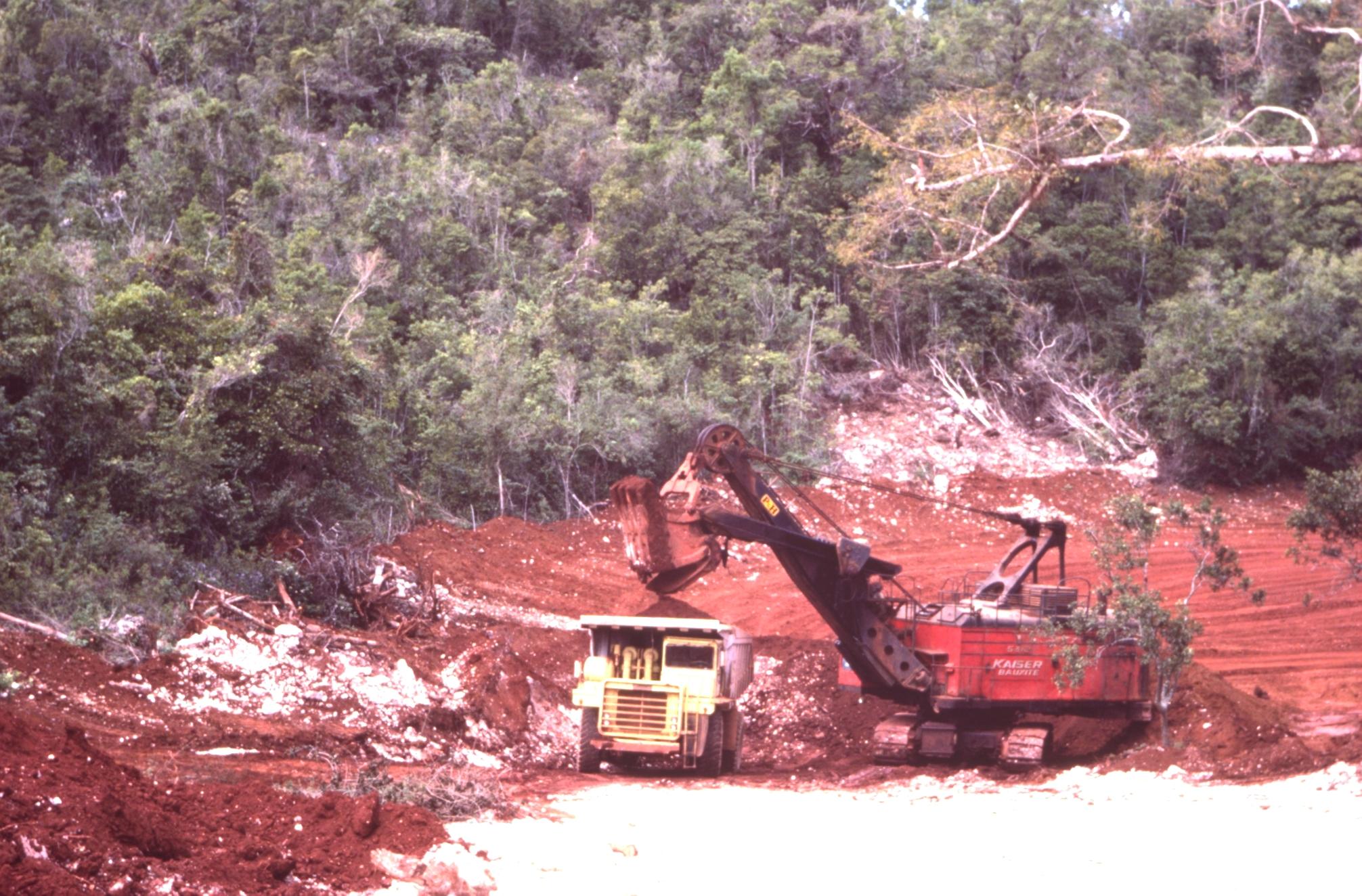
The short version
The four-part mandate combines mineral policy and land safety with a proposed sale of state interests in Clarendon Production and JAMALCO.
Mineral policy and commercial returns
Jamaica’s new Ministry of Mining and Geology has been directed to pursue higher-value minerals, strengthen geological advice and prepare to sell government interests, according to a mandate reported by IRIE FM. Prime Minister assigned four priorities to , who also retains policy oversight for agriculture and fisheries.
The mandate links commercial reform with decisions about land, infrastructure and community safety. Holness said declining grades in accessible reserves, energy costs and ageing infrastructure were weighing on an industry that had served Jamaica for generations. He called for the country to examine its returns from mining while developing limestone, aggregates and other opportunities.
’s first task is to accelerate the National Minerals Policy 2017–2030 and bring necessary changes to Cabinet. A limestone programme is to identify deposits that could supply higher-value products, including food-grade , and work with investors to develop those opportunities locally.
remain part of the programme. The ministry is to work with operators on energy costs, protection of viable reserves and residue management. A proposed strategy must examine whether valuable materials can be commercially recovered from and its residues. Commercial recovery is a question for assessment, rather than an established outcome.
With the Finance Ministry, the new ministry is to develop , taxes and applicable incentives reflecting each mineral’s economics. Holness wants rules that reward exploration and investment, allow Jamaica to share in higher profits and equip the state to verify production, prices and payments.
Resources, construction hazards and restoration
The second priority is a Cabinet plan to transform the Jamaica Institute into a Jamaica Minerals Institute. A national mineral assessment should start with limestone and aggregates. Gold, copper, and other prospects are to be investigated where evidence warrants further exploration.
The geological role extends to reconstruction. Alongside the National Reconstruction and Resilience Authority and relevant public bodies, the ministry is to identify proposed housing sites, critical facilities and roads where unstable slopes or collapse in limestone terrain require investigation. Responsible agencies should receive a map or written assessment before a site or route is settled, explaining known hazards, uncertainty and required ground investigations.
The third priority is protecting nearby residents and workers, rivers and watersheds, and restoring mined-out land to safe, productive use. Operators should plan that future before extraction begins, account for landowners’ and neighbours’ views, rehabilitate progressively and provide adequate financial security to complete the work.
The ministry is also expected to strengthen regulation and act on the Auditor General’s recommendations. The restoration requirement connects a mine’s operations with what remains after extraction, including the means to pay for unfinished rehabilitation.
A strategy for the state’s interests
The fourth task is to lead the sale of the government’s interest in Clarendon Production Limited and participation in JAMALCO. The objective is to end or materially reduce taxpayers’ exposure to operating losses, demands for new capital and obligations that may become payable. The Finance Ministry and Attorney General’s Chambers are to help prepare a Cabinet strategy supported by independent valuation and legal due diligence.
The reporting schedule begins with an implementation plan within 30 days identifying responsible leads, decision dates and reconstruction projects needing geological advice first. must report to Holness in 90 days and quarterly thereafter and provide an annual sector performance and investment report.
Holness said he expected evidence of investment secured, land restored, public financial exposure reduced and decisions improved by geological advice. The instructions establish those objectives without announcing a buyer, transaction value or completed asset sale.
Understand this story
Connect the proposed search for valuable minerals with the payments Jamaica receives from extraction.
Sources and reporting notes
What remains unclear
The valuation, structure and timing of the proposed sale of government alumina interests.
Whether recovery of valuable minerals from bauxite and residues can be commercially viable.
Which sources support each point?
IRIE FM reported on November 2, 2026 that Prime Minister Andrew Holness set four priorities for Floyd Green’s new Ministry of Mining and Geology. Green also retains policy oversight for agriculture and fisheries. The mandate seeks greater mineral value and reliable geological information for land use, infrastructure and community safety.
Holness identified declining grades in accessible bauxite reserves, energy costs and ageing infrastructure as industry constraints. He called for faster implementation of the National Minerals Policy 2017–2030, possible Cabinet changes, higher-value limestone products including food-grade calcium carbonate, and investor development of those opportunities in Jamaica.
The ministry is to work with bauxite and alumina operators on energy costs, viable reserves and residue management. It must propose a critical minerals strategy examining whether minerals can be recovered commercially from bauxite and residues. With Finance, it must develop mineral-specific royalties, taxes and applicable incentives that encourage exploration and investment, share higher profits fairly and permit verification of production, prices and payments.
The second priority is a Cabinet plan to transform the Jamaica Bauxite Institute into a Jamaica Minerals Institute. A national resource assessment should begin with limestone and aggregates, and investigate gold, copper, rare earth elements and other prospects only where evidence supports exploration.
Working with the National Reconstruction and Resilience Authority and relevant bodies, the ministry is to identify housing sites, critical facilities and roads needing investigations of unstable slopes or collapse risk in limestone terrain. Before routes or sites are settled, agencies should receive maps or written assessments of known hazards, uncertainties and required ground investigations.
The third priority is protection of communities, rivers and watersheds near mines and quarries and safe, productive reuse of mined land. Operators should plan before extraction, consult landowners and neighbours, rehabilitate progressively, and provide financial security to finish. The ministry should strengthen regulation and act on Auditor General recommendations.
The fourth priority is divestment of the government’s interest in Clarendon Alumina Production Limited and participation in JAMALCO. The objective is to end or materially reduce taxpayer exposure to operating losses, demands for new capital and contingent liabilities. With Finance and the Attorney General’s Chambers, the ministry must prepare a Cabinet transaction strategy based on independent valuation and legal due diligence.
The mandate requires an implementation plan within 30 days identifying responsible leads, decision dates and reconstruction projects that need geological advice first. Green is to report to the prime minister in 90 days, then quarterly, and provide an annual sector performance and investment report. Holness expects evidence of investment, restored land, lower fiscal exposure and better-informed public decisions. No completed asset sale, new mineral discovery or realised investment value is announced.
Loading discussion…