
Google adds security and memory-focused TPU systems around existing chips
Reported Nov 9, 2026Quickanomics write-up updated Nov 9, 2026, version 13 min read
Follow the developing story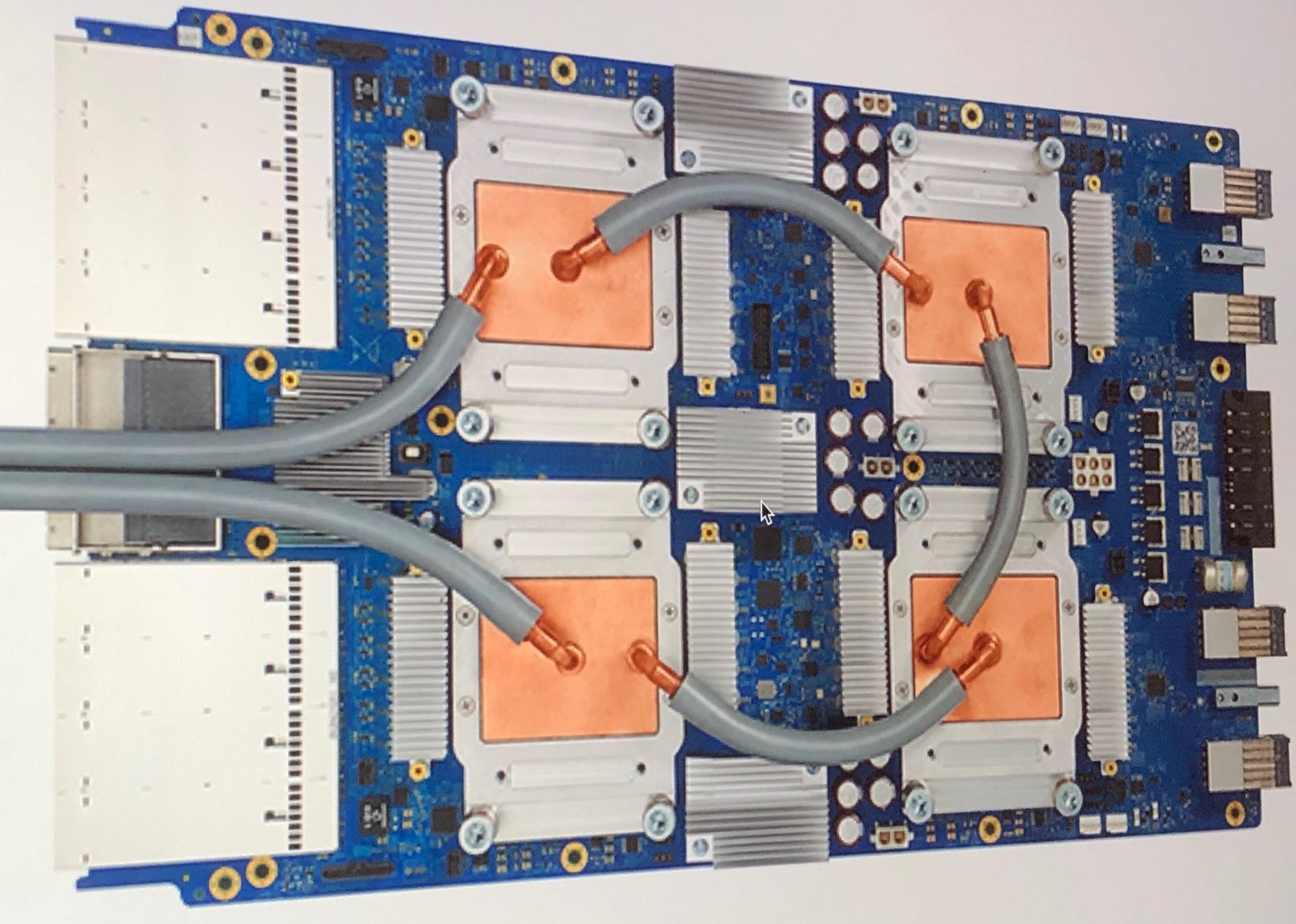
The short version
Google’s 8tx focuses on protecting data during processing, while 8i Max adds memory and computing capacity around existing chip designs.
Configurations around existing chips
Google is broadening its hardware range with 8tx for sensitive workloads and 8i Max for applications that need to process very large amounts of information at once.
The November 9 announcement adds two specialised configurations to the eighth-generation , or , portfolio. Reuters reported the development through Channel NewsAsia, crediting Bloomberg with the earlier report that day.
Google’s own explanation draws a distinction between a new chip and a new system. The 8tx and 8i Max rearrange computing, memory, networking and security around existing designs. They build on 8t and 8i, introduced in April, bringing the portfolio to four systems this year.
are specialised accelerators. Google originally used them mainly for its own products, including Search, YouTube and Gemini, and has made them available through its business to attract enterprise customers. The expansion strengthens its challenge to Nvidia’s established position in chips.
Security while information is in use
8tx targets government agencies and regulated industries that need to protect sensitive information during processing. It uses the same silicon as 8t and is paired with fifth-generation AMD EPYC host processors.
Google says hardware-level keeps sensitive data and model weights protected and isolated while they are in active use. Model weights are the learned numerical settings that shape a model’s behaviour. The protection is intended to extend beyond data stored on a device or travelling over a network.
The company describes the system as delivering up to 2x lower latency than 8t, with a near-zero performance penalty. Latency is the delay before a response. The comparison concerns Google’s stated system performance and the named earlier configuration.
More capacity in a single package
8i Max addresses a different constraint: supplying enough memory and computing power when an application must work with a large amount of information at once.
The system puts two 8i chips in a single package. Google says computing capability, on-chip working memory and high-bandwidth-memory bandwidth are each doubled relative to the 8i. Memory bandwidth describes how quickly information can be moved to the processors. The design also puts more computing power into the existing rack footprint.
Google identifies coding assistants, mathematical reasoning and drug-discovery applications as suitable uses. Large context windows allow models to consider more information within a request, such as a substantial collection of code, but capacity alone does not establish the quality of an answer.
The commercial setting is rapid Google growth. Alphabet said sales contributed meaningfully to the September quarter, when more than doubled to US$30.71 billion. Its shares rose more than 3 per cent in early trading on November 9, according to Reuters. The product additions give customers different configurations within the existing generation.
Understand this story
Start with AI workloads, then understand the specialised processor and the information a model can handle in a request.
- Artificial intelligence
The systems supply computing for developing and running models used in coding, reasoning and other applications.
- Tensor processing unit
Google’s specialised AI processor; these additions configure existing TPU chips into systems with different security and memory characteristics.
- Context window
The 8i Max targets applications needing to consider large amounts of information within one model request.
Sources and reporting notes
- 1. Google — The KeywordGoogle: Our newest TPUs: 8tx and 8i Max, built for the agentic era (opens in a new tab)
- 2. Channel NewsAsiaReuters via CNA: Google unveils new AI chip variants as cloud demand surges (opens in a new tab)
Which sources support each point?
Google announced TPU 8tx and TPU 8i Max on November 9, 2026, adding variations of its in-house tensor processing units for specific customer needs. Reuters reported the development through CNA, noting Bloomberg first reported it earlier that day.
Alphabet shares rose more than 3 per cent in early trading on November 9. Alphabet said TPU sales contributed meaningfully to the September quarter as Google Cloud revenue more than doubled to US$30.71 billion.
TPUs were primarily used internally for products including Search, YouTube and Gemini. Google has made them available through its cloud business to attract enterprise artificial-intelligence customers, challenging Nvidia’s strong position in AI chips.
The 8tx targets government agencies and regulated industries needing protection for sensitive data while it is processed. It pairs Google’s technology with AMD processors and applies hardware-level encryption.
The 8i Max targets applications processing very large amounts of information at once. It combines two chips in a single package for additional memory and computing power; Google identifies coding assistants, mathematical reasoning and drug discovery as suitable tasks.
Google’s November 9 announcement distinguishes new TPU systems from newly designed chips. The 8tx and 8i Max are configurations based on the existing 8t and 8i systems introduced in April, bringing the eighth-generation portfolio to four systems this year.
TPU 8tx uses the same silicon as TPU 8t and pairs it with fifth-generation AMD EPYC host processors. Google says data and model weights remain protected and isolated while in active use. Its lower-delay network delivers what Google describes as up to 2x lower latency relative to TPU 8t, with a near-zero performance penalty.
TPU 8i Max packages two TPU 8i chips together. Google says compute, on-chip SRAM and high-bandwidth-memory bandwidth are each doubled relative to TPU 8i, increasing computing density in the existing rack footprint. Memory bandwidth is how quickly information can move to the processors.
Loading discussion…