
Ghana and the World Bank target US$245 million in a trade and jobs pilot
Reported Nov 25, 2026Quickanomics write-up updated Nov 25, 2026, version 13 min read
Follow the developing story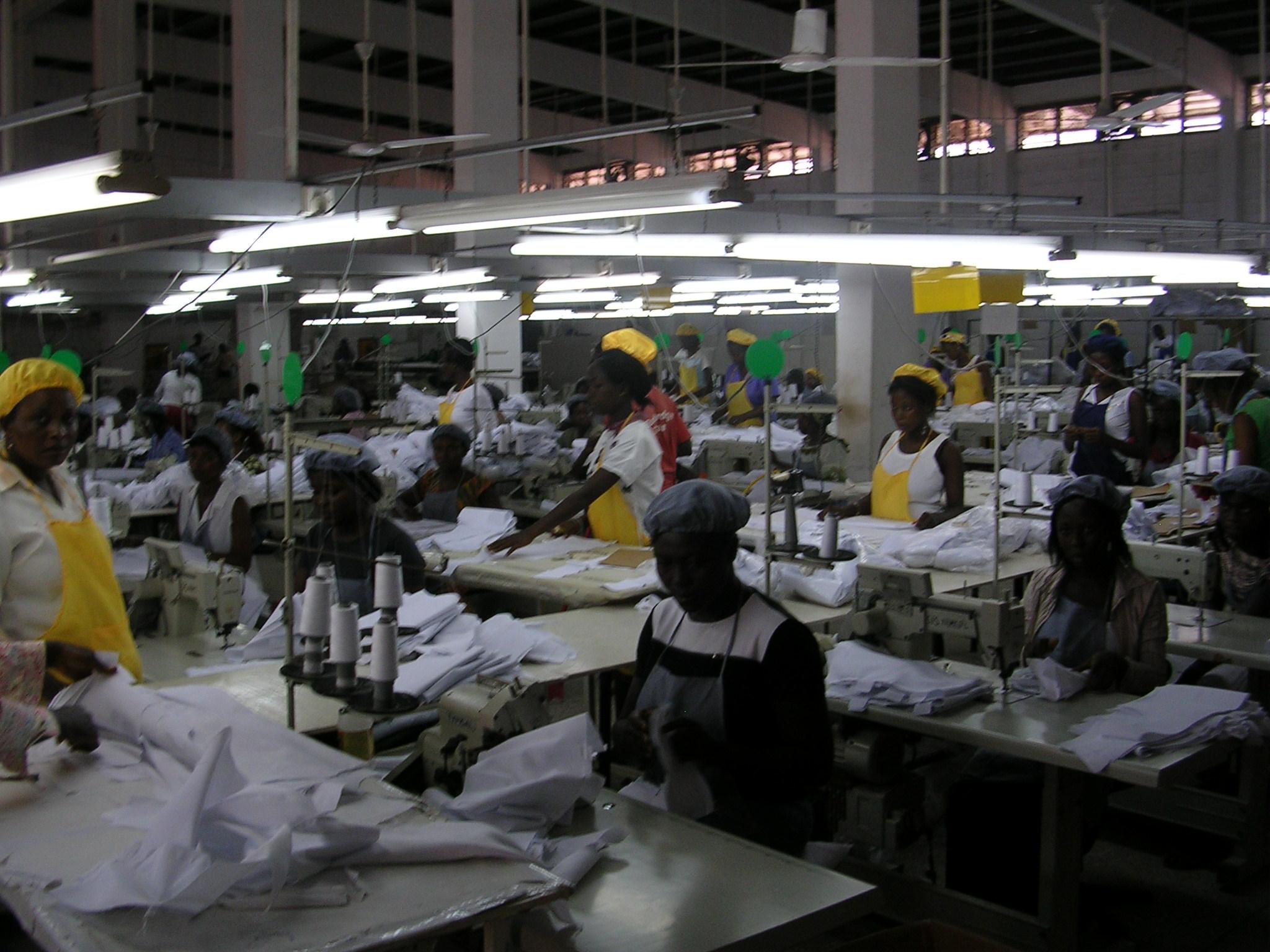
The short version
Ghana and the World Bank Group aim to mobilise US$245 million in private investment through trade and investment reforms, a proposed freight corridor and support for garment manufacturers.
Ghana and its partners set a private investment goal
Ghana, the World Bank Group and development partners have launched a programme to turn changes in trade and business rules into investment and jobs. The Ghana pilot of the G20’s Compact with Africa 2.0 aims to mobilise about US$245 million from private investors across four areas. The World Bank will support policy and implementation, while the International Finance Corporation will work with businesses and investors.
Ghana is piloting the second phase alongside Angola, Egypt and Zambia. The original compact began under Germany’s G20 presidency in 2017. A expected to run from 2025 to 2033 supports the pilot. Germany is the principal contributor. South Africa, a G20 co-chair of the compact, contributed US$5 million.
Preliminary World Bank Group research found that between 2012 and 2024 Ghana’s working-age population increased by 3.7 million and the economy created 435,000 net jobs. Division director said many existing firms find it difficult to expand because of uncertain regulations, high transport and trade costs, limited financing and difficulty meeting market standards. He said the programme should be judged by the investment it enables and whether firms can expand, export and hire.
Four work streams, from border procedures to factory training
Ghana will revise its national trade policy to address the , services and digital trade, export standards, and logistics. The plan calls for costing the changes, assigning responsibility and monitoring results. MyJoyOnline reported an average of 23 days to clear imports and trade costs of about 24 per cent of export value.
The investment work includes rules under the new framework, a one-stop investor service, published fees and deadlines, and training for the Ghana Investment Promotion Authority. Together, the trade and investment work is expected to enable about US$200 million in new private investment.
Another work stream will prepare the proposed 762-kilometre TransVolta Logistics Network, linking Tema Port through Lake Volta to northern Ghana and Sahel markets. It covers technical, commercial, environmental, regulatory and financial preparation. Studies suggest the route could cut transit time by 25 to 30 per cent. The project preparation targets US$30 million in private investment.
The IFC will train garment and light-manufacturing managers and supervisors through its Better Work approach, including on and labour standards. It will also help connect firms with buyers and investors. MyJoyOnline reported that garment exports could increase up to 43-fold, adding as much as US$1.5 billion. The figure describes potential export sales.
The government’s export goal and the private sector’s tests
Trade Minister cited US$5 billion of non-traditional exports in 2025 and a goal of at least US$10 billion by 2030. She pointed to the Ghana Investment Promotion Authority Act 2026 and a proposed Business Regulatory Reform Bill. Germany’s development representative said the first phase delivered more than 100 reforms and urged that investment benefit women.
Manufacturers at the launch called for affordable long-term finance, more consistent orders and attention to the cost of imported inputs and utilities. Participants also discussed transparent tax administration, joint border posts, common procedures and a trade policy committee with private-sector representation. Manufacturers said sourcing from other African markets was beginning to help with input constraints.
Understand this story
See how a regional trade agreement and simpler border processes can help a business reach more buyers.
Sources and reporting notes
- 1. MyJoyOnlineWorld Bank Group, Ghana launch Compact with Africa 2.0 pilot to unlock US$245 million in private investment (opens in a new tab)
- 2. Ghana News AgencyGhanaian SMEs to benefit from G20-Compact investment initiative (opens in a new tab)
What remains unclear
How much private investment the reforms, corridor preparations and manufacturing support will attract.
Which sources support each point?
Ghana launched its Compact with Africa 2.0 pilot with the World Bank Group and partners. The four work streams aim to mobilise about US$245 million of private investment. The World Bank will support reforms and the International Finance Corporation will provide business and investment expertise.
Ghana joins Angola, Egypt and Zambia as one of four pilot countries. A multi-donor trust fund expected to operate from 2025 to 2033 finances the pilot. Germany is the principal contributor and South Africa, the Compact's G20 co-chair, contributed US$5 million.
Preliminary World Bank Group diagnostic findings counted a 3.7 million rise in Ghana’s working-age population against 435,000 net jobs created between 2012 and 2024. Existing businesses struggle to grow amid unclear rules, logistics costs, financing limits and difficulties meeting standards. World Bank division director Rob Taliercio said investment and firms’ ability to expand, export and hire were the tests.
The pilot will help Ghana cost and implement a revised national trade policy, with steps for the African Continental Free Trade Area, services, digital trade, standards, trade facilitation and logistics. MyJoyOnline reported import clearing averages 23 days and trade costs are about 24 per cent of export value.
The investment work includes rules under the new framework, published investor deadlines, fees and rules, a one-stop service and training for Ghana Investment Promotion Authority staff. The trade and investment framework work is expected to enable about US$200 million in additional private investment.
The TransVolta Logistics Network work will prepare technical, commercial, environmental, regulatory and financial elements of a proposed 762-kilometre corridor connecting Tema Port to northern Ghana and Sahel markets via Lake Volta. Studies suggest transit times could fall by 25–30 per cent. The work targets US$30 million in private investment.
The IFC will use the Better Work approach to help garment and light-manufacturing managers improve productivity, working practices and labour standards and make links to buyers and investors. MyJoyOnline cited the potential for garment exports to expand up to 43-fold, adding as much as US$1.5 billion.
Trade Minister Elizabeth Ofosu-Adjare cited US$5 billion in non-traditional export earnings in 2025, a government goal of at least US$10 billion by 2030, the Ghana Investment Promotion Authority Act 2026 and a proposed Business Regulatory Reform Bill. Germany’s parliamentary state secretary for development cited more than 100 reforms in the first phase and urged investment in women.
The launch panel discussed predictable regulation, transparent consultation on tax, joint border posts and common procedures, alongside affordable long-term finance, larger and steadier orders and input and utility costs. A trade policy committee will include private-sector representatives. Manufacturers pointed to the potential for regional sourcing under the African Continental Free Trade Area.
Ghana News Agency reported the launch took place at the World Bank Group office. It dates the original G20 Compact with Africa to Germany’s 2017 presidency and says the Ghana launch focuses on the obstacles that keep small and medium-sized businesses from expanding.
Loading discussion…