
German warning follows wider European supermarket refrigeration attacks
Reported Nov 13, 2026Quickanomics write-up updated Nov 13, 2026, version 23 min read
Follow the developing storyGermany’s BSI warned on November 13 that some Danfoss cooling systems remained vulnerable after attacks spread to supermarkets elsewhere in Europe.
The short version
Germany’s information security office warns that some Danfoss industrial cooling systems remain vulnerable after attacks in Sweden, Belgium and elsewhere. Its advice adds connection restrictions to checks for available software updates.
BSI calls for restrictions on exposed cooling systems
Germany’s information security office BSI warned on November 13 that some industrial cooling appliances from Danish supplier Danfoss remained vulnerable to hacking, following supermarket refrigeration attacks across Europe. A is a flaw that an intruder can exploit.
Reuters’ report, carried by CNA, says attacks the previous week affected fridges and freezers from Sweden to Belgium and forced stores to discard food. At least some of the units used Danfoss temperature-control technology also targeted in the French attack a month earlier.
BSI advised taking affected systems offline where possible, or securing connections through a , or . A creates a restricted connection over an existing network; it does not itself repair the software inside a cooling controller. The office also told security managers to check whether they could install available company updates.
The warning went beyond asking operators to apply fixes. BSI said Danfoss had not yet provided sufficient software updates to counter the attacks. It said further weaknesses could emerge even after new patches, and industrial control systems should not be directly accessible from the internet. The United States also warned of a cyber threat to industrial refrigeration systems the previous week.
October’s disruption reached at least 350 French stores
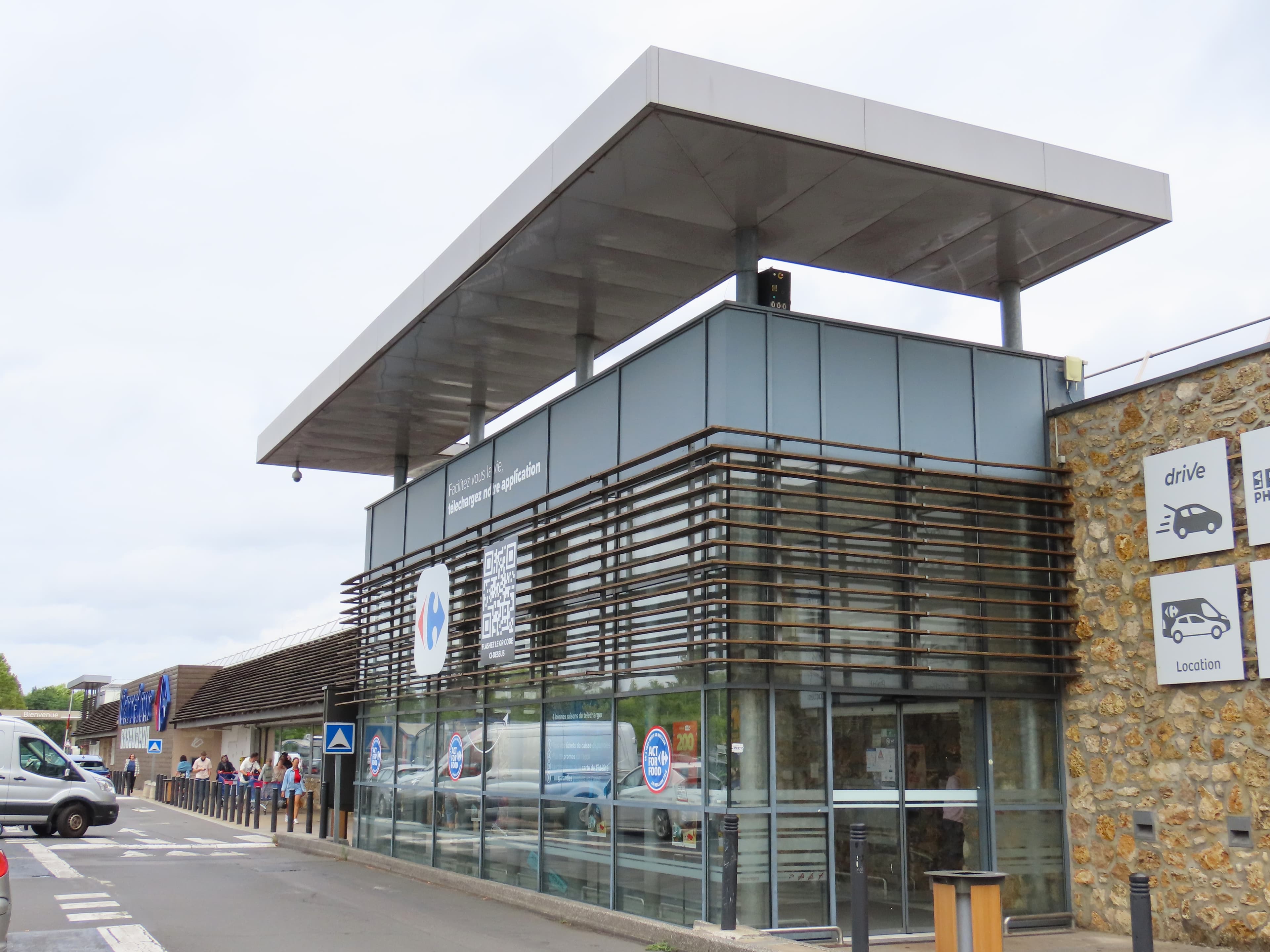
French investigators were pursuing the attackers on October 13 after temperature settings were overridden at at least 350 supermarkets, including stores in the Carrefour, Monoprix, Intermarche and Cooperative U groups. Those stores represented a small fraction of the country’s supermarket total.
Reuters observed staff at some Paris supermarkets disposing of spoiled meat and frozen goods. A source familiar with the investigation said there had been no public claim of responsibility or ransom demand. The precise route into the systems had not been publicly disclosed in that October account.
Danfoss said on October 12 that many affected units had reached the end of their supported life, without further software or security updates, or were using outdated . is software embedded in equipment to control its operation. The company said it had advised updates for supported units and migration of older equipment to current systems. It declined further comment on October 13.
Known weaknesses did not identify the attackers
The October Reuters report said security firm Claroty had disclosed weaknesses in the Danfoss AK-SM 800A controller on August 9. They could allow intruders to bypass identity checks and run code on a compromised device; fixes had since been supplied.
Three specialists told Reuters the French attack appeared easy to carry out. Experts pointed to publicly accessible interfaces and missing updates, but the exact attack mechanism remained undisclosed.
of Pen Test Partners suggested young people causing disruption were a possibility. He questioned why a state attacker would affect only a subset of French systems and said the absence of a ransom demand might reflect limited appreciation of the commercial losses. Those comments assessed the pattern; they did not establish responsibility.
Reuters used Shodan to find at least 4,500 Danfoss interfaces visible online on October 13, without establishing how many ran vulnerable software. The figure is neither a count of attacked stores nor proof that every visible device was insecure. French scanning company Onyphe said only a small minority appeared to use the latest software, with outdated and vulnerable versions still common among publicly accessible interfaces.
Understand this story
Use these ideas to unpack the reporting.
- Firmware
Danfoss’s October account distinguished outdated embedded software from equipment that no longer receives fixes.
- Cybersecurity
The reports concern attacks on equipment controls and measures to restrict access and apply fixes.
- Cybersecurity vulnerability
BSI says some cooling appliances still have security weaknesses despite available software updates.
Sources and reporting notes
- 1. Channel NewsAsiaGerman watchdog warns some cooling systems remain vulnerable to hacking (opens in a new tab)
- 2. Channel NewsAsiaInvestigators hunt French supermarket fridge hackers, no claim of responsibility (opens in a new tab)
What remains unclear
The November report does not identify the attackers or establish a single perpetrator linking the European incidents.
Which sources support each point?
Germany’s information security office BSI warned on November 13, 2026 that some Danfoss industrial cooling appliances still had security weaknesses, after cyberattacks on refrigeration systems across Europe.
BSI advised taking the affected systems offline where possible, or securing their connection through a virtual private network, and checking whether available company updates could be installed.
BSI said Danfoss had not yet provided sufficient software updates to counter the attacks. It warned that new patches did not rule out further weaknesses and that industrial control systems should not be directly accessible from the internet.
Attacks in the previous week hit supermarket fridges and freezers from Sweden to Belgium and forced stores to discard food, echoing the French attack in October. At least some affected units used Danfoss temperature-control technology also targeted in France.
The United States also warned of a cyber threat to industrial refrigeration systems in the previous week.
On October 13, 2026 French investigators were seeking the hackers behind an attack affecting at least 350 supermarkets, including Carrefour, Monoprix, Intermarche and Cooperative U stores. The affected stores were a small fraction of France’s total.
The attackers overrode refrigeration temperature settings. Reuters saw staff at some Paris supermarkets discarding spoiled meat and frozen goods on October 13.
A source familiar with the French investigation said no group had publicly claimed responsibility or made a ransom demand. The exact attack method had not been publicly disclosed in the October report.
Danfoss said on October 12 that many affected units were beyond their supported life and no longer received software or security updates, or used outdated firmware. It advised updating supported equipment and moving older units to current systems, and declined further comment on October 13.
Claroty disclosed weaknesses in the Danfoss AK-SM 800A controller on August 9 that could allow identity checks to be bypassed and code to run on a compromised device. Fixes had since been provided, according to the October Reuters report.
Three cybersecurity specialists told Reuters the French attack appeared easy to carry out. Experts pointed to publicly exposed interfaces and missing software updates; the precise method used remained undisclosed.
Ken Munro of Pen Test Partners suggested young people causing disruption could be responsible, questioned a state attack on a subset of French systems and said the lack of a ransom demand could reflect limited understanding of commercial losses. These were assessments, not identification of the attackers.
Reuters used Shodan to find at least 4,500 Danfoss interfaces visible online on October 13 but could not establish how many ran vulnerable software. French scanning company Onyphe said only a small minority appeared to run the latest version and outdated, vulnerable versions remained common among publicly accessible interfaces.
Loading discussion…