
Four US airlines face estimated US$345 million earnings hit after ground stop
Reported Nov 16, 2026Quickanomics write-up updated Nov 16, 2026, version 13 min read
Follow the developing story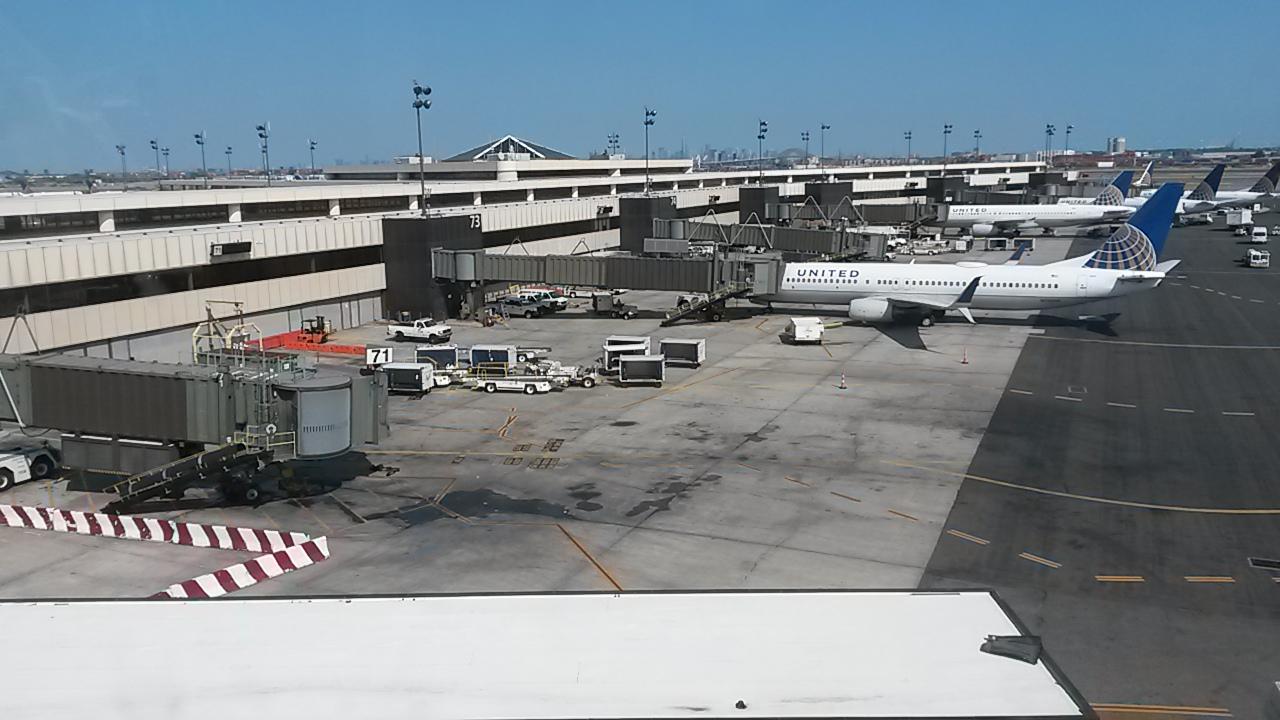
The short version
Bernstein estimates a US$345 million combined hit for American, Delta, United and Southwest after the November 13 . The equipment investigation and airline recovery continue.
Bernstein puts the combined impact at US$345 million
The four largest US airlines face an estimated combined US$345 million earnings hit from the November 13 nationwide and the disruption that continued through the weekend, according to brokerage Bernstein.
The estimate covers American Airlines, Delta Air Lines, United Airlines and Southwest Airlines. It is measured before tax, meaning before income-tax effects are taken into account. Bernstein gave an 80% range of roughly US$270 million to US$430 million, Reuters reported in the Business Times on November 16.
The number is a brokerage estimate of the effect on earnings, rather than an airline-reported accounting loss. It also does not cover every airline or the wider economy.
More than 18,500 flights within, into or out of the US had been cancelled since the as of 8:47 a.m. Eastern Time on November 16, according to calculations based on FlightAware data. The total describes cancellations recorded by that Monday-morning cutoff.
Recovery varies sharply across carriers
American and JetBlue had the most difficulty restoring their schedules on Sunday, according to Bank of America analysts. They cancelled 22% and 28% of their scheduled flights respectively. Delta cancelled 5%, United 3% and Southwest 4%.
JetBlue is included in the comparison of Sunday operations but not in Bernstein’s four-airline earnings estimate. Bernstein’s combined figure covers American, Delta, United and Southwest.
In Monday morning trading, JetBlue shares fell nearly 2%, while the other airlines rose between 1% and 2%. L3Harris shares were down about 2.3% in early trade. The moves were reported during the session, rather than at the market close.
Equipment questions remain open
Officials said on Saturday that the disruption may have been connected to a installed by aerospace and defence contractor L3Harris. direct data between parts of a network. The FAA’s Sunday account says it and L3Harris are still investigating the root cause.
The FAA says air traffic resumed on Friday evening after the network was stabilised. A prevents affected flights from departing; restoring the communications system does not immediately put aircraft and crews back where airlines need them for their schedules.
Transportation Secretary said on ABC’s This Week on Sunday that operations would probably be fully normal by Monday. That was an expectation as airlines repositioned planes and crews, not evidence that every service had recovered.
On CNBC Monday, called on Congress to fund air-traffic-control upgrades after describing the wider disruption as likely costing billions of dollars. His broad assessment is separate from Bernstein’s narrower estimate for four carriers.
The FAA said some radio frequencies and radar feeds remained reliable and that aircraft already flying landed safely. It said the available evidence gave no indication of a cyberattack.
Understand this story
Understand how a network failure can disrupt departures and affect airline earnings.
- Network router
A router directs data across a network; investigators are examining whether equipment or its installation contributed to the outage.
- Aviation ground stop
The FAA restriction kept affected departures on the ground; lifting it did not instantly restore airline schedules.
- Pretax profit
Bernstein’s estimated impact is before income-tax effects and is not a loss already reported by the airlines.
Sources and reporting notes
- 1. The Business TimesTop four US airlines could face US$345 million hit from FAA ground stop (opens in a new tab)
- 2. Federal Aviation AdministrationFAA: nationwide ground stop questions and answers (opens in a new tab)
What remains unclear
What will the airlines ultimately report as the financial impact, and what caused the network instability?
Which sources support each point?
Bernstein estimates a combined US$345 million pretax earnings impact for American Airlines, Delta Air Lines, United Airlines and Southwest Airlines from the November 13 nationwide ground stop and subsequent disruption. Its stated 80% range is roughly US$270 million to US$430 million.
Reuters, carried by the Business Times on November 16, reports more than 18,500 cancellations within, into or out of the US since the ground stop, as of 8:47 a.m. Eastern Time on November 16, using FlightAware-based calculations.
Bank of America analysts said American cancelled 22% of its Sunday schedule and JetBlue 28%, compared with Delta 5%, United 3% and Southwest 4%.
JetBlue shares fell nearly 2% in Monday morning trading, while the other airlines rose between 1% and 2%. L3Harris shares were down about 2.3% in early trade.
Officials said on Saturday the disruption may have involved a router installed by L3Harris, the aerospace and defence contractor. The cause remained under investigation.
Transportation Secretary Sean Duffy said on ABC’s This Week on Sunday that operations would probably be fully normal by Monday as airlines repositioned aircraft and crews. On CNBC Monday he urged Congress to fund air-traffic-control upgrades after describing the broader losses as likely billions of dollars.
The FAA said in its November 15 account that air traffic resumed on November 13 after the system was stabilised. Some radio frequencies and radar feeds remained reliable; aircraft already flying landed safely. The FAA and L3Harris continued investigating the root cause, and the FAA said available evidence gave no indication of a cyberattack.
Loading discussion…