
DTEC CEO says Malaysia approved rare-earth research exports to the US
Reported Oct 27, 2026Quickanomics write-up updated Oct 27, 2026, version 13 min read
Follow the developing story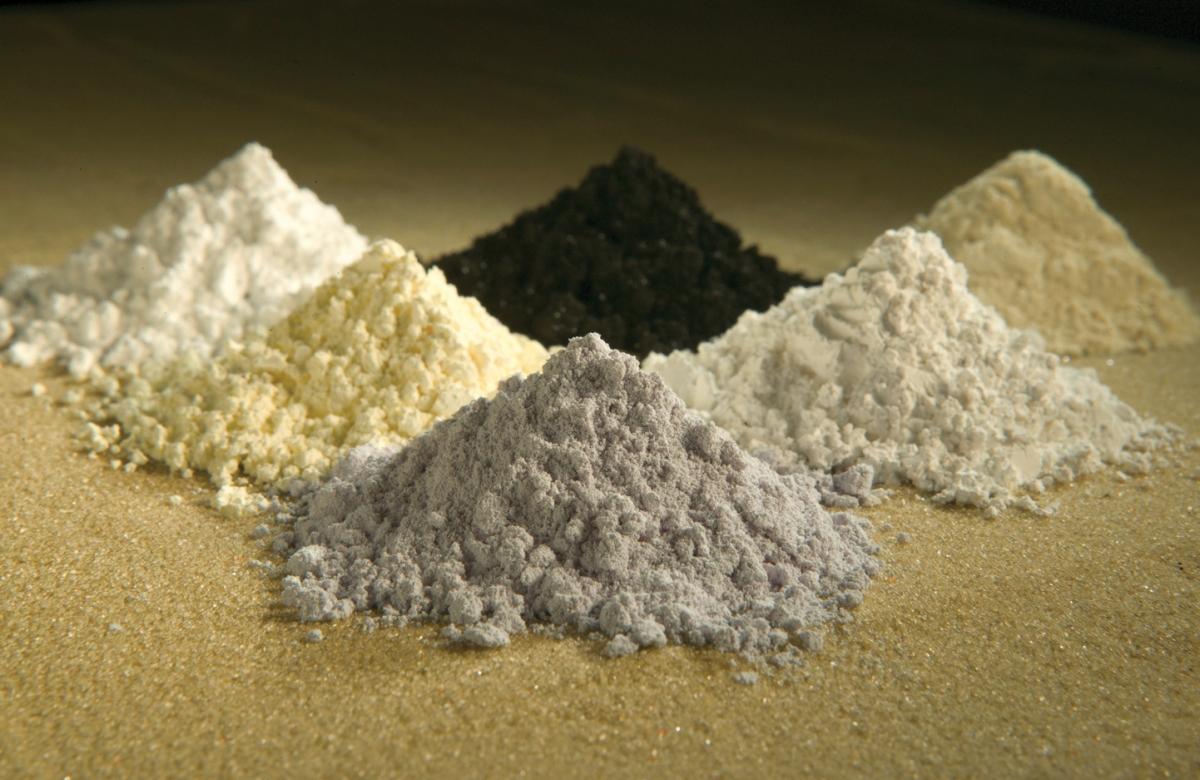
The short version
DTEC’s CEO reports permission for up to 700 metric tonnes of Malaysian carbonate to reach US researchers. The company is also pursuing a local plant and potential financing, neither yet described as completed.
Exports would support technology testing
DTEC Mineral and Metal Technology has received permission to export material from Malaysia to the United States for research, chief executive told Reuters, describing it as the first approval under newly eased export rules.
The permit covers up to 700 metric tonnes of carbonate from Perak, with an initial shipment of about 30 metric tonnes expected that weekend, said. The Business Times published the Reuters account on October 27.
He said the material would go to US companies and research institutions to test technologies for separating and purifying from Malaysia’s clay deposits containing . are a group of elements used in technologies including mobile phones and medical equipment; material extracted from a deposit still needs processing for particular industrial uses.
DTEC is registered in Malaysia and 51% owned by US citizens, including Malaysian-born . The company’s description of its ownership and research plans accompanies its account of the permit.
Malaysia imposed a raw export ban in 2024 to protect domestic resources. It nevertheless allowed some shipments to China under a pilot mining project in Perak. October guidelines further eased restrictions through conditional exports for research or processing, seeking to develop local capabilities while Western countries look for alternatives to China.
The natural resources ministry did not respond to Reuters’ request for comment. Bloomberg had reported the previous week that one export application had been approved, without identifying the company. That earlier unnamed approval is separate from ’s identification of DTEC.
A plant target and potential financial support
said DTEC aims to build a processing plant in Malaysia within three years and develop Malaysian skills and an ecosystem of supporting industries.
He also said the company had received an expression of support from the Export-Import Bank of the United States for potential financing of up to US$650 million. The description is preliminary: it does not establish a committed loan, a payment or completed construction.
EXIM and the US embassy in Kuala Lumpur did not immediately respond to Reuters. The embassy had said on October 14 that more than a dozen US companies were exploring potential upstream and midstream projects — activities from obtaining material through processing it — in Malaysia.
Processing capacity is the longer-term objective
Malaysia has an estimated 16.1 million metric tonnes of deposits, according to government estimates cited in the report, but lacks technology to mine and process them. A resource estimate therefore does not by itself establish the ability to produce the separated materials needed by customers.
The cooperation comes as Washington seeks newer, cleaner processing technologies to reduce reliance on China’s dominant position. Malaysia is also seeking foreign investment after years of resistance to the industry arising from environmental concerns surrounding a processing plant in Pahang.
The immediate reported step is the research-export permission described by DTEC’s CEO. The expected initial shipment, the proposed Malaysian plant and potential financing remain distinct parts of the plan.
These stages form part of the : the connected activities that turn a mineral resource into usable materials and products.
Understand this story
Follow rare-earth material from deposits through processing into useful products.
- Rare-earth elements
The permit concerns carbonate material for research into separation and purification, distinct from the oxide samples shown in the archive image.
- Mineral value chain
Research, separation and the proposed local plant concern the connected stages that turn mineral deposits into usable products.
Sources and reporting notes
- 1. The Business TimesDTEC granted Malaysian rare-earth research-export permit, CEO says (opens in a new tab)
What remains unclear
Will the first shipment leave as expected, and will the proposed Malaysian plant secure financing?
Which sources support each point?
DTEC’s CEO says a permit covers up to 700 metric tonnes, with an initial shipment of about 30 metric tonnes expected that weekend.
The Malaysian-registered company is 51% owned by US citizens; exports are intended for US research and technology testing.
October guidelines ease a 2024 raw-export ban, following earlier Perak pilot shipments to China.
The ministry did not respond; an earlier report of one unnamed approval did not identify DTEC.
Perlly targets a Malaysian plant within three years and reports potential EXIM support up to US$650 million; the bank and embassy did not immediately respond.
The US embassy said more than a dozen US companies were exploring Malaysian projects as of October 14.
Government estimates put deposits at 16.1 million metric tonnes, while processing technology remains a constraint and China dominates supply.
The investment push follows environmental concerns surrounding a Pahang processing plant.
Loading discussion…