
Development banks join forces to move mineral economies beyond extraction
- Channel NewsAsiaMajor development banks step up support for critical minerals value chains (opens in a new tab)
- European Investment BankDevelopment banks establish collaboration framework on critical raw materials (opens in a new tab)
- European Investment BankMDB Collaboration Framework: Critical Minerals-to-Manufacturing Value Chains, October 2026 (opens in a new tab)
Reported Oct 17, 2026Quickanomics write-up updated Oct 18, 2026, version 13 min read
Follow the developing story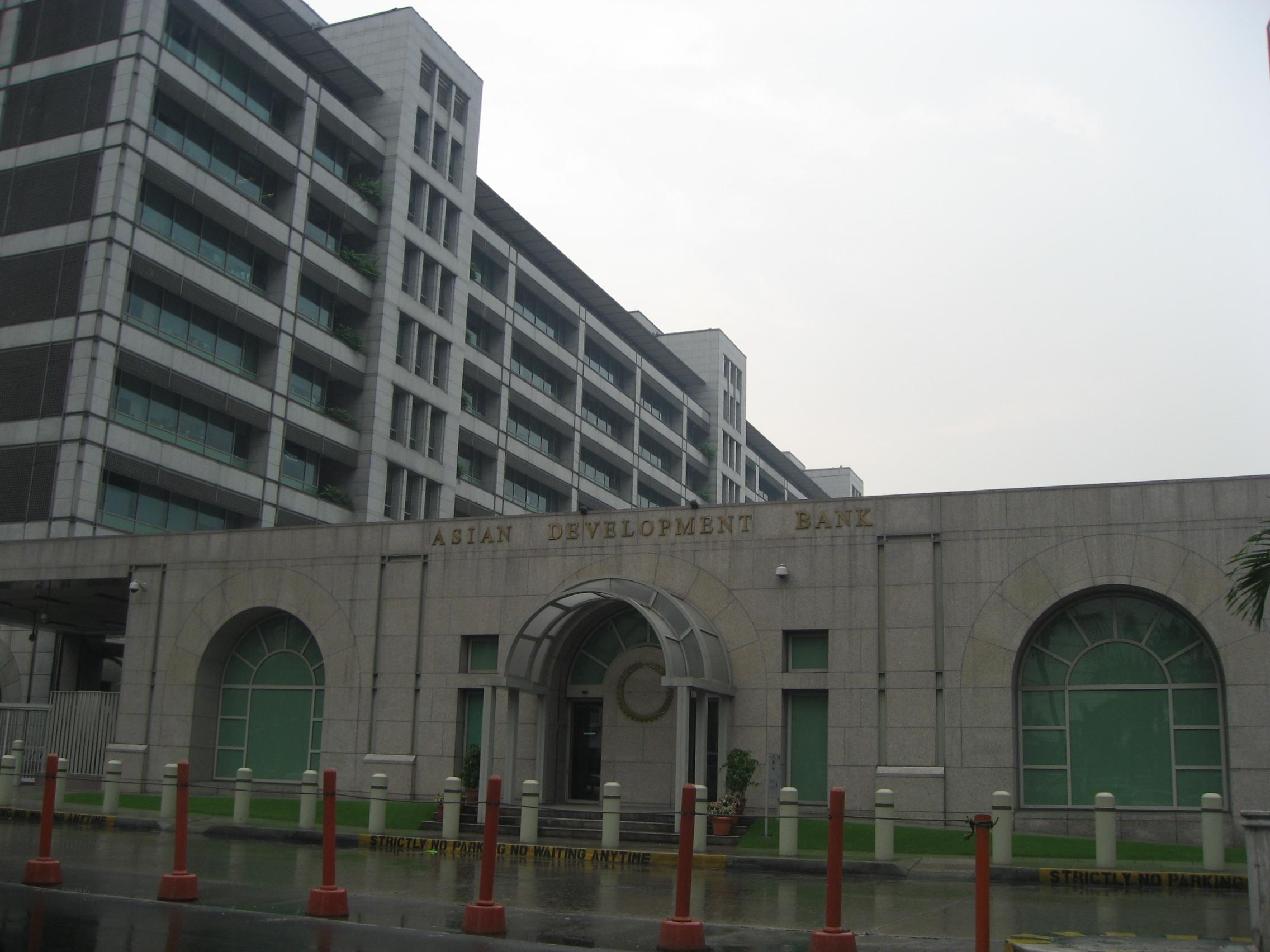
The short version
A new collaboration framework links critical-mineral finance to processing, manufacturing and shared infrastructure, while retaining individual banks’ approvals and safeguards.
Beyond the export of raw minerals
Major are coordinating their support for in an effort to help resource-rich developing countries build processing, mineral purification and manufacturing industries around their deposits. The October framework moves an existing promise of cooperation towards practical arrangements for finance, infrastructure and government support.
Reuters reported the framework from Manila on October 17. The European Investment Bank separately confirmed that it had been established, building on the banks’ joint statement in April. The shared ambition is to retain more economic activity in producing countries, create jobs, attract private investment and support the transition to lower-carbon energy.
Participating institutions identified by Reuters include the World Bank, African Development Bank, Asian Development Bank, European Bank for Reconstruction and Development, European Investment Bank and Inter-American Development Bank. These multilateral are backed by member countries and combine financing with development advice.
The scope reaches from exploration and extraction to processing, mineral purification, manufacturing and recycling. That matters because exporting a mineral and supplying a usable industrial material involve different equipment, skills, services and infrastructure. A deposit alone does not establish a competitive processing industry.
Infrastructure and finance have to fit together
The framework calls for mineral corridors that connect mines and industrial hubs with power, transport, logistics, water and digital networks. It also envisages ports, shared processing facilities and cooperation over customs and other cross-border arrangements. The same infrastructure can give agriculture and other businesses better access to markets.
Country-level teams are intended to align advice, project studies, policy reform and investment planning around government priorities. By reducing repeated assessments and gaps between institutions, the banks aim to make the sequence from a mineral project to a functioning industrial network more coherent.
Financing tools include jointly funded or parallel operations, guarantees and other forms of risk sharing, with concessional resources—finance on more favourable terms than otherwise available—where justified. Stronger project preparation is meant to make investments financeable and clarify who carries which risks. It does not abolish commercial or environmental risk.
The focus on manufacturing and recycling also broadens the beyond the initial sale of ore. A is the connected set of activities that turns a resource into a usable product. Developing more stages domestically can increase local , although the framework presents that as an objective rather than an achieved result.
Four objectives, separate approval decisions
The document sets four objectives: closer alignment and mutual reliance on environmental and social standards; coordinated support for countries and regions; mobilisation of private capital; and joint reporting and learning.
Safeguards address water, mine waste, biodiversity, workers’ and communities’ health, land rights, resettlement and mine closure, among other issues. Banks may rely more on each other’s assessments where their institutional rules allow, while maintaining high standards and consultation with affected communities.
A joint working group will coordinate implementation and report annually to the Heads of MDBs Group. The annual stocktake will cover countries, stages of production, types of support, financing, collaborative operations and selected development results.
The arrangement is voluntary, flexible and led by participating countries. Each institution retains its mandate, policies, approvals and resource limits, and clients retain their choice of lenders. The framework contains no common funding total or list of approved projects. Its practical effect will depend on subsequent operations and the results that annual reporting is intended to capture.
Understand this story
Use these ideas to unpack the reporting.
- Mineral value chain
The connected stages from mineral extraction through processing, manufacturing and recycling.
- Critical minerals
Strategically important minerals whose supply chains the banks aim to strengthen.
- Value added
The domestic production contribution the framework seeks to expand beyond raw mineral exports.
Sources and reporting notes
- 1. Channel NewsAsiaMajor development banks step up support for critical minerals value chains (opens in a new tab)
- 2. European Investment BankDevelopment banks establish collaboration framework on critical raw materials (opens in a new tab)
- 3. European Investment BankMDB Collaboration Framework: Critical Minerals-to-Manufacturing Value Chains, October 2026 (opens in a new tab)
- 4. European Investment BankJoint MDB statement on critical minerals to manufacturing value chains (opens in a new tab)
Which sources support each point?
Reuters reported from Manila on October 17, 2026 that major multilateral development banks are strengthening support for mineral-rich developing economies to move beyond extraction into processing, refining and manufacturing.
The participating institutions identified in the report are the World Bank, African Development Bank, Asian Development Bank, European Bank for Reconstruction and Development, European Investment Bank and Inter-American Development Bank.
The October collaboration framework seeks jobs, domestic value addition, private investment and the low-carbon transition. Mineral corridors would connect power, transport, logistics, water and digital infrastructure with mining and industrial activity.
The banks plan stronger project preparation, co-financing, guarantees and other financing tools to mobilise private capital, closer alignment on environmental and social standards, and coordinated support for governments.
A joint MDB working group will coordinate implementation and report annually to the Heads of MDBs Group.
The four-page October 2026 framework covers the chain from exploration and mining through processing, refining, manufacturing and recycling. Participation is country-driven, voluntary and flexible, subject to each institution’s mandate, approvals, policies and available resources, and client agreement.
The framework has four objectives: alignment and mutual reliance on environmental and social standards; coordinated country and regional support; mobilisation of private capital; and joint reporting and learning.
Environmental and social cooperation includes water, mine waste, biodiversity, labour and community health, land rights, resettlement, consultation and mine closure. Mutual reliance applies only where institutional frameworks permit, with high standards retained.
Country teams are intended to reduce repeated diagnostics and align policy, infrastructure and industrial investment. Corridors can also serve agriculture and regional trade, including shared processing, ports and customs arrangements.
Financial cooperation can include joint or parallel financing, guarantees, risk sharing and concessional resources where justified; better preparation is meant to make projects financeable and allocate risks, not remove every risk.
An annual stocktake will track countries, value-chain segments, types of support, financing, joint operations and selected aggregate development results. The framework specifies neither a common funding total nor a list of approved projects.
The EIB’s April 17, 2026 page reproduces a joint statement promising cooperation beyond mining, including processing, manufacturing, recycling, infrastructure, governance, communities and private investment. The October framework implements that earlier commitment rather than announcing a wholly new objective.
Loading discussion…