
Coronation Market shoppers still face high produce prices after rain
Reported Oct 23, 2026Quickanomics write-up updated Oct 24, 2026, version 12 min read
Follow the developing storyThe latest check found cheaper sweet and Scotch bonnet peppers alongside higher lettuce, sorrel and Irish-potato prices. Read the current version
The short version
The Observer’s latest Coronation Market visit found continued pressure on grocery budgets, with lettuce at J$1,500 per pound and carrots at J$500.
Rain has yet to bring relief at the stalls
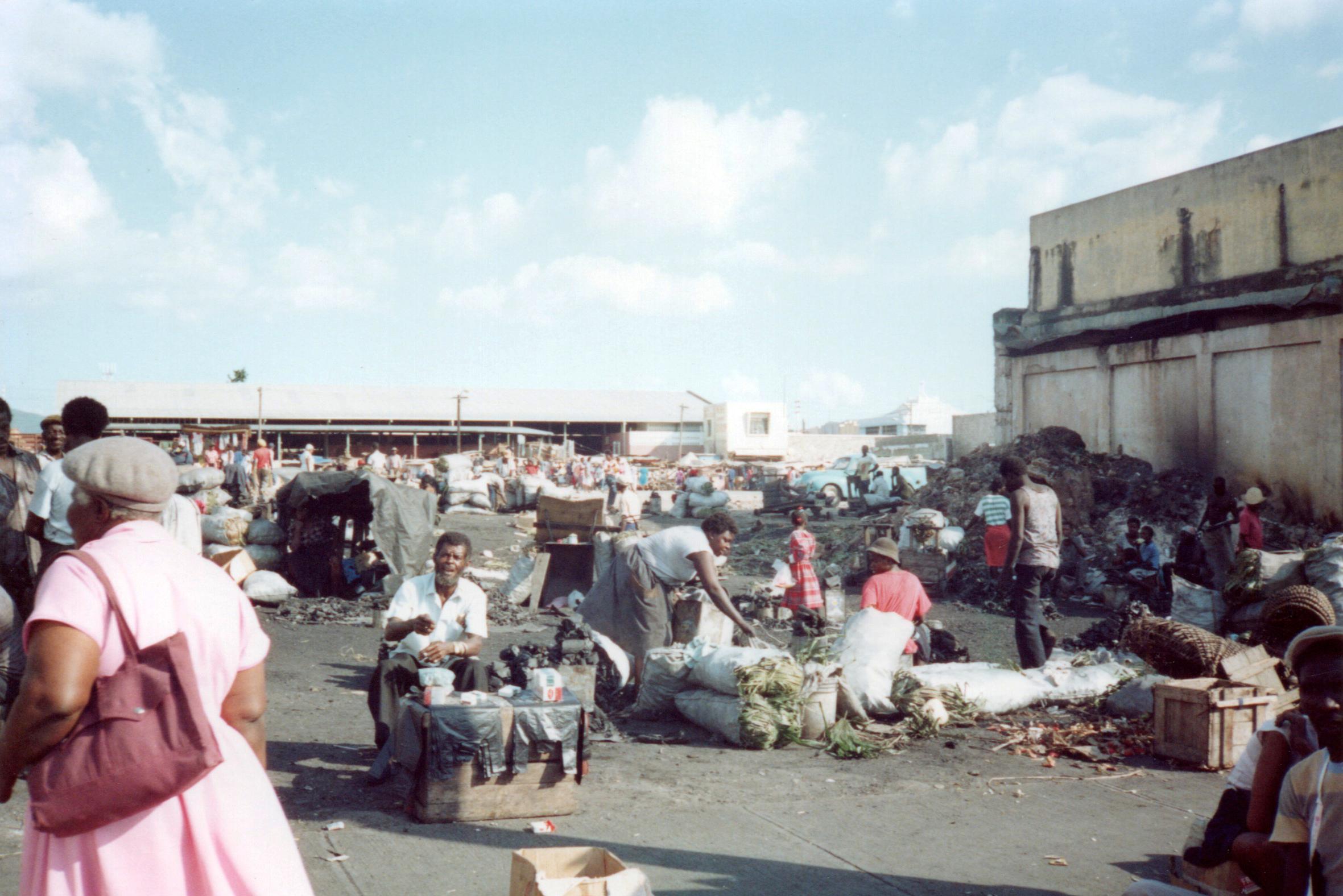
Recent rainfall has raised hopes of cheaper produce after prolonged drought, but shoppers at Kingston’s Coronation Market were still paying high prices during the Jamaica Observer’s latest weekly visit.
The newspaper’s October 23 Market Bag report put lettuce at J$1,500 per pound, Scotch bonnet peppers at J$600 and carrots at J$500. These are Jamaican-dollar prices at the downtown Kingston market, rather than national averages.
The rest of the reported list also showed the cost of filling a shopping bag. Sweet potatoes were J$450 per pound. Tomatoes, sweet peppers and pineapples each sold for J$400 per pound. Escallion was J$300, and both onions and Irish potatoes were J$250 per pound.
What the grocery bill captures
An unnamed customer told the Observer that about J$10,000 had bought just one bag of groceries. His complaint was about purchasing power: the amount of food he felt the same money could buy. He also voiced concern that shopping could become still more expensive.
The experience places the individual prices in the context of a household budget. Families choose different combinations and quantities of food, so the cost of a trip depends on what goes into the bag as well as the price of each item.
Broader figures answer a different question. A follows a defined basket of goods and services over time, with different items weighted according to their place in spending. The newspaper’s market visit provides a closer view of particular foods at a particular place.
For the customers interviewed, the immediate issue was the bill they faced at the stalls. Rain had raised hopes of relief after the drought; that relief had yet to show up in the prices reported during the visit.
Understand this story
Separate a market price snapshot from a broader measure of changing household costs.
Sources and reporting notes
- 1. Jamaica ObserverMarket Bag: Carrot for $500 as relief from rains not yet felt (opens in a new tab)
Which sources support each point?
The Jamaica Observer reported a visit to Coronation Market in downtown Kingston during the week of October 23, 2026. Recent rainfall followed prolonged drought conditions, but shoppers had not yet seen the hoped-for price relief.
All quoted produce prices were Jamaican dollars per pound. Lettuce cost J$1,500 per pound, Scotch bonnet peppers J$600 per pound and carrots J$500 per pound.
Sweet potatoes cost J$450 per pound. Tomatoes, sweet peppers and pineapples each cost J$400 per pound. Escallion cost J$300 per pound. Onions and Irish potatoes each cost J$250 per pound.
An unnamed shopper told the Observer that about J$10,000 had bought only one bag of groceries and expressed frustration about declining purchasing power. This was an individual account, not a measured change in a representative household basket.
Loading discussion…