
Brent holds near five-month high as Gulf supply risks outweigh possible relief
- AOL — Reuters reportingRubio says Trump to take up to 60 days to weigh Russia sanctions (opens in a new tab)
- Channel NewsAsiaBrent crude holds near five-month high on Middle East tension (opens in a new tab)
- The White HouseImplementing the Lindsey O. Graham Sanctioning Russia and Iran Act of 2026 (opens in a new tab)
Reported Oct 20, 2026Quickanomics write-up updated Oct 20, 2026, version 13 min read
Follow the developing story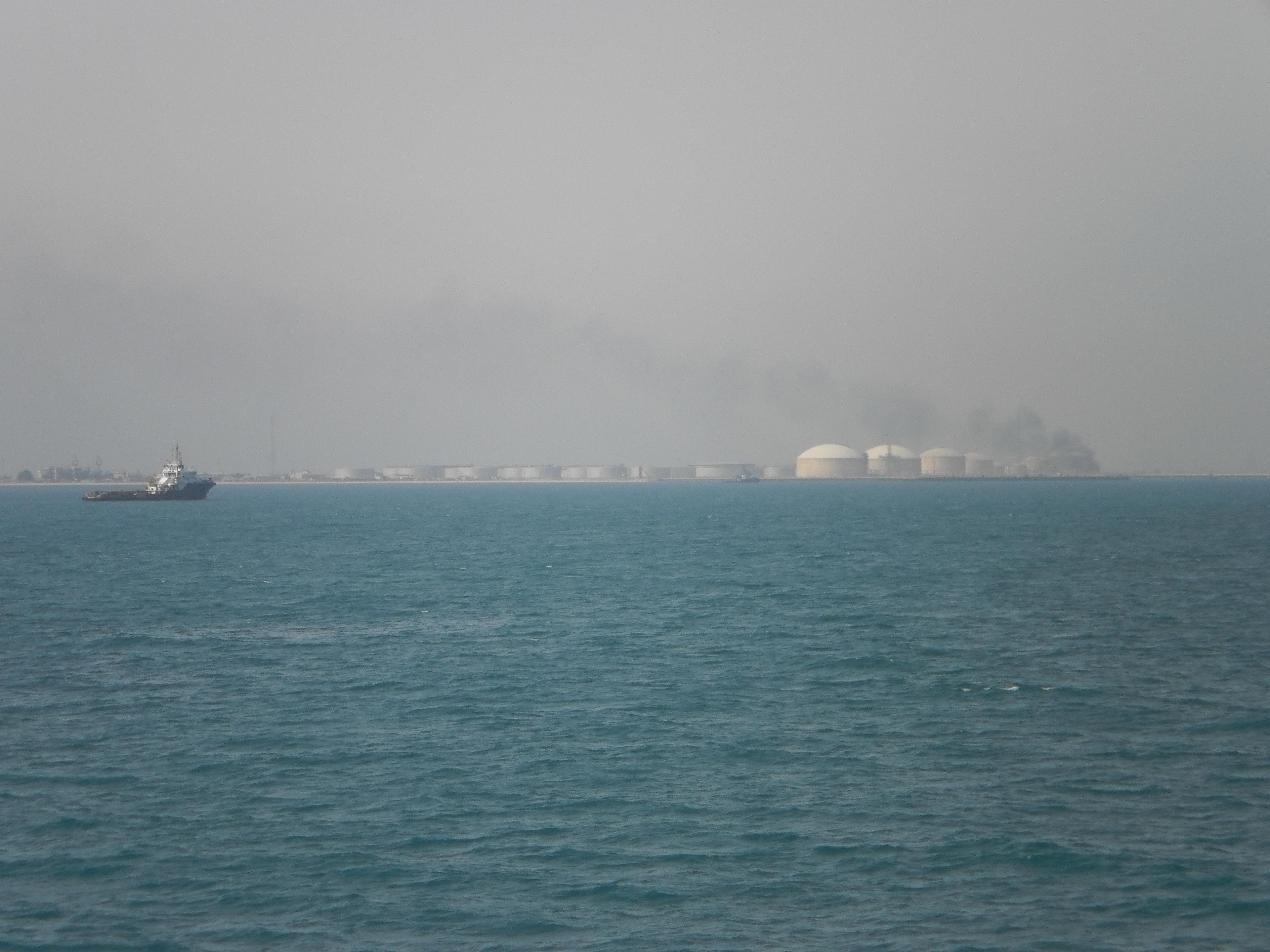
The short version
Oil prices reflected continued concern about Gulf infrastructure and shipping, while a US waiver and proposed Russian diesel supplies offered a separate possible source of relief.
stays near its recent high
crude traded near a five-month high on Tuesday as traders weighed Houthi claims of attacks on Saudi facilities and reports of vessels being targeted in the Gulf. The price snapshot reported by Reuters was taken at 06:28 UTC on October 20.
gained 52 US cents, or 0.47%, to US$110.07 a barrel. It had reached US$110.70 in the previous session, its highest since May 20. US , known as , also advanced, though its delivery months traded at substantially different prices.
The November contract, due to expire on Tuesday, was up 0.36% at US$104.03. The more actively traded December contract rose 26 cents, or 0.26%, to US$98.80. These are different ; the two quoted levels should not be treated as the same delivery obligation.
ING analysts said volatility in the region appeared to be sustaining a significant , the extra price pressure associated with possible disruption. They said it could erode slowly if oil flows continued unhindered, but that they saw no signs of such erosion yet. Kpler said on Monday that at least 18 vessels had reportedly been attacked over two weeks.
Saudi attack claims and violence in Yemen
Yemen’s Iran-aligned Houthis said on Monday that they had attacked Saudi energy, airport and military targets. The named sites included an Aramco facility in Yanbu, the Shaybah oilfield, Riyadh’s King Khalid International Airport and Abha airport.
Saudi authorities did not immediately confirm those claims, and Reuters could not independently verify them. The claims therefore show what the Houthis said they targeted, rather than establishing confirmed damage or lost output at each site.
Reuters also reported that a Houthi attack on a training camp for government security forces in Yemen’s Shabwa province killed 58 people and injured more than 200 on Monday. The renewed violence heightened concern about regional stability and energy supply.
A preliminary Reuters survey on Monday indicated expectations that US crude stockpiles and petroleum-product inventories had declined in the preceding week. That is a forecast ahead of stock data, rather than confirmation that the expected decline has occurred.
A signed waiver and a further review
US President signed an order on October 16 waiving specified Russia-related , restrictions and under the Graham Act. The published text covers duties on Russian goods and measures concerning buyers of Russian energy, while expressly preserving under earlier executive orders addressing harmful Russian foreign activity.
Reuters reported that Trump said on Saturday he had not announced his final decision, while Secretary of State described up to 60 days to examine the economic effects of and . That further assessment followed a waiver already signed; the order itself does not impose a 60-day expiry. Its waivers remain effective until the president or authorised officials decide further action is appropriate.
Rubio also defended a separate agreement intended to increase Russian diesel supplies. Reuters cited the International Energy Agency as reporting that Russian crude production increased by 65,000 barrels a day in September to 8.43 million barrels a day, still about 870,000 below the year-earlier level.
, KCM Trade’s chief analyst, said the prospect of additional Russian diesel offered theoretical relief but traders appeared more focused on further damage to Gulf energy infrastructure.
Understand this story
Use these ideas to unpack the reporting.
- Futures contract
November and December WTI quotes refer to separate futures contracts, not an identical delivery date.
- Tariff
The US order waives specified duties under the Graham Act, while earlier restrictions remain.
- Geopolitical risk premium in oil
ING attributes part of the market’s strength to concern about possible supply interruption.
Sources and reporting notes
- 1. AOL — Reuters reportingRubio says Trump to take up to 60 days to weigh Russia sanctions (opens in a new tab)
- 2. Channel NewsAsiaBrent crude holds near five-month high on Middle East tension (opens in a new tab)
- 3. The White HouseImplementing the Lindsey O. Graham Sanctioning Russia and Iran Act of 2026 (opens in a new tab)
Which sources support each point?
At 06:28 UTC on October 20, Brent crude futures were up 52 US cents, or 0.47%, to US$110.07 per barrel. They had reached US$110.70 the previous session, the highest since May 20. The November US West Texas Intermediate contract, due to expire October 20, rose 0.36% to US$104.03; the more actively traded December contract rose 26 cents, or 0.26%, to US$98.80.
ING analysts said Tuesday that volatile Middle East conditions appeared to sustain a significant oil-price risk premium. They said it could slowly erode if flows continued without interruption, but they saw no sign of that happening yet. Kpler said Monday that at least 18 vessels had reportedly been attacked over two weeks.
Yemen’s Iran-aligned Houthis said Monday that they had attacked Saudi energy, airport and military targets, naming an Aramco site in Yanbu, the Shaybah oilfield, Riyadh’s King Khalid International Airport and Abha airport. Saudi authorities did not immediately confirm the claims, and Reuters could not independently verify them.
Reuters also reported that a Houthi attack on a training camp for government security forces in Yemen’s Shabwa province killed 58 people and injured more than 200 on Monday. These events added to concerns about regional stability and energy supplies.
A preliminary Reuters poll on Monday indicated expectations that US crude oil stockpiles and petroleum-product inventories had fallen in the preceding week. This was a survey expectation, not a published stock count.
Reuters reported that Russian crude production increased by 65,000 barrels a day in September to 8.43 million barrels a day, still about 870,000 barrels a day below a year earlier, citing the International Energy Agency’s report released the preceding week.
Tim Waterer, KCM Trade’s chief analyst, said possible additional Russian diesel supply offered theoretical relief but traders appeared more focused on the risk of further damage to energy infrastructure across the Gulf.
Reuters reported October 18 that, after signing a waiver on Friday October 16, US President Donald Trump said on Saturday he had not announced his final decision, while Secretary of State Marco Rubio described up to 60 days to assess the economic effects of the Russia-related sanctions and tariffs. Rubio also defended a separate agreement intended to increase Russian diesel supplies. The review did not mean the earlier waiver had not been signed.
The executive order signed October 16 and published at 00:34:24 UTC on October 17 waives specified sanctions, restrictions and duties under the Graham Act, including duties on Russian goods and measures concerning buyers of Russian energy. It expressly preserves sanctions under earlier executive orders addressing harmful Russian foreign activity. Its waivers remain effective until the president or authorised officials decide further action is appropriate; the order itself does not set a 60-day expiry.
Loading discussion…