
Brazil’s Senate advances spending and tax package to lower house
Reported Nov 18, 2026Quickanomics write-up updated Nov 21, 2026, version 13 min read
Follow the developing story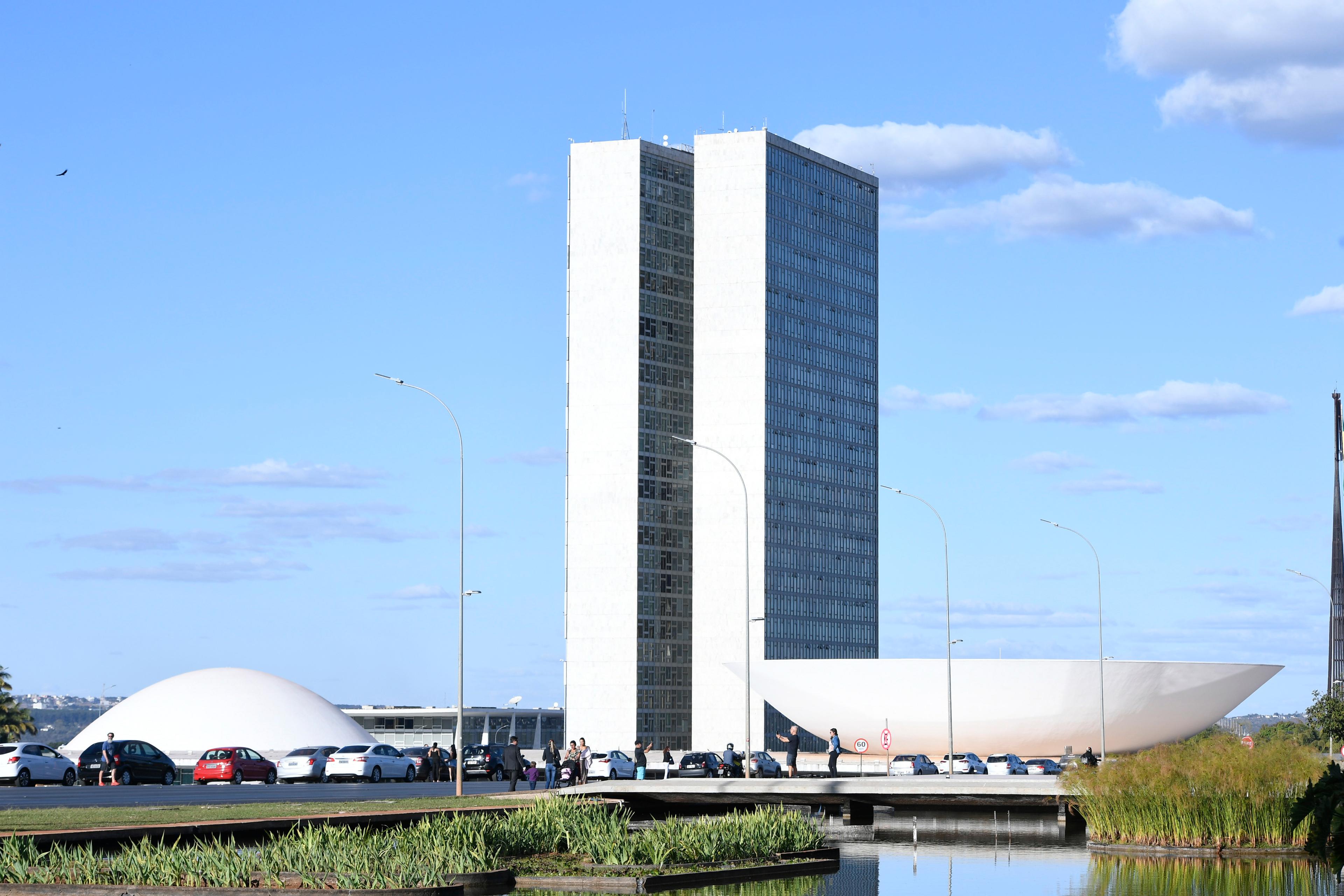
The short version
Brazil’s Senate sent a budget package to the lower house after a 69–2 vote. It would tighten limits on spending in some years as the government tries to raise receipts.
A vote for tougher
Brazil’s Senate completed voting on President ’s fiscal package on November 18, passing the revised bill 69 to two. It had approved the main text on November 12. The Chamber of Deputies still needs to consider the proposal, which would tighten tax breaks for companies and close loopholes alongside measures meant to curb expenditure growth.
The Associated Press reported that the plan seeks an improvement of up to 60 billion reais, about US$10 billion, in 2027. The Senate news agency cited an executive estimate of 45.1 billion to 56.1 billion reais for an improvement in the , which leaves out interest payments on . Both figures describe proposed improvements, with the estimate tied to the government’s calculations for the bill.
From 2027, the bill would reduce the cap on annual spending growth above from 2.5 per cent to 2 per cent when the government uses additional budget restraints. The lower limit would apply only in the year it was triggered. Senators rejected a proposal to cap real growth more tightly.
Changes to diesel and federal transfers
The Senate version allows the government to exclude up to 10.5 billion reais of road-diesel costs from the 2026 fiscal target calculation. It would also require a public hearing if the preceding year’s fell below 0.5 per cent of .
The bill would set a floor of 2 billion reais for annual transfers linked to the Kandir law, which compensates states and municipalities after a tax exemption on exports. The current annual amount is 4 billion reais. An agreement in the Senate would start repayment of deferred sums in 2028 and complete it in 2030.
The government’s promises and market doubts
won October’s runoff and a fourth nonconsecutive term after losing the first round to Senator . Some supporters fear the new package could put welfare at risk, while analysts cited by AP questioned its reliance on higher receipts. AP reported that the real and other Brazilian assets had weakened in recent days. had yet to announce a finance minister for his next term.
The government increased its Bolsa Família benefit by 15 per cent ahead of the runoff. Its minimum rose from 600 to 691 reais per family per month in October. The average was expected to rise from 675 to 777 reais. Government estimates cited by AP put the cost at 5.8 billion reais in 2026 and about 22 billion reais in 2027.
’s government also offered subsidized credit and debt relief to small businesses and people on low incomes, temporarily reduced federal fuel taxes and proposed zero fares on weekend public transport. Congress approved a shorter working week without loss of pay. In São Paulo, students protested against the fiscal package on November 17.
Understand this story
Read the spending cap and understand how changes in receipts, spending and interest shape a budget target.
- Fiscal rules
The bill would tighten the rule on spending growth for years when extra restraints apply.
- Primary fiscal balance
The Senate’s figures measure an improvement in government receipts versus non-interest spending.
- Public debt
Interest on money the government owes is excluded from the primary balance.
Sources and reporting notes
- 1. Associated PressBrazil’s Senate approves Lula’s $10 billion fiscal package after costly election spending (opens in a new tab)
- 2. Agência SenadoBrazilian Senate completes fiscal adjustment vote and sends it to the Chamber (opens in a new tab)
Where the accounts differ
AP reported an improvement of up to 60 billion reais in 2027. The Senate agency attributed a range of 45.1 billion to 56.1 billion reais for the primary balance to the executive.
What remains unclear
Will the Chamber of Deputies approve the Senate text or change its spending and tax measures?
Who will oversee the budget as finance minister in Lula’s next term?
Which sources support each point?
Brazil’s Senate finished voting on the fiscal package on November 18 by 69 to two after passage of the main text on November 12. The Chamber of Deputies still has to consider it.
The proposal narrows tax breaks, closes loopholes and restricts spending growth. AP reported a potential improvement of up to 60 billion reais, about US$10 billion, in 2027.
The Senate reported an official range of 45.1 billion to 56.1 billion reais for the 2027 primary balance improvement. The proposal lowers the real spending growth ceiling from 2.5 per cent to 2 per cent where restraints are triggered.
Up to 10.5 billion reais in diesel support could be excluded from the 2026 fiscal target calculation. The text provides for a hearing when the previous year’s primary balance falls below 0.5 per cent of GDP.
Lula won the October runoff and a fourth nonconsecutive term after losing the first round to Flávio Bolsonaro. AP reported analyst concerns about reliance on higher tax receipts, a weakening real and the pending finance minister appointment.
Government estimates put the cost of a 15 per cent Bolsa Família increase at 5.8 billion reais in 2026 and about 22 billion in 2027. Minimum monthly benefits rose from 600 to 691 reais, and the average was expected to rise from 675 to 777 reais.
Pre-election measures included subsidized credit, debt relief, fuel tax cuts and a free weekend transit proposal. Congress shortened the working week without cutting pay. Students protested on November 17.
The Senate rejected a tighter proposed spending cap and agreed to a 2 billion reais floor on annual transfers for states and municipalities under the Kandir law. Deferred payments would be made over 2028–2030.
Loading discussion…