
Bank of Jamaica proposes lighter capital rules for climate-resilient farm loans
Reported Nov 25, 2026Quickanomics write-up updated Nov 25, 2026, version 13 min read
Follow the developing story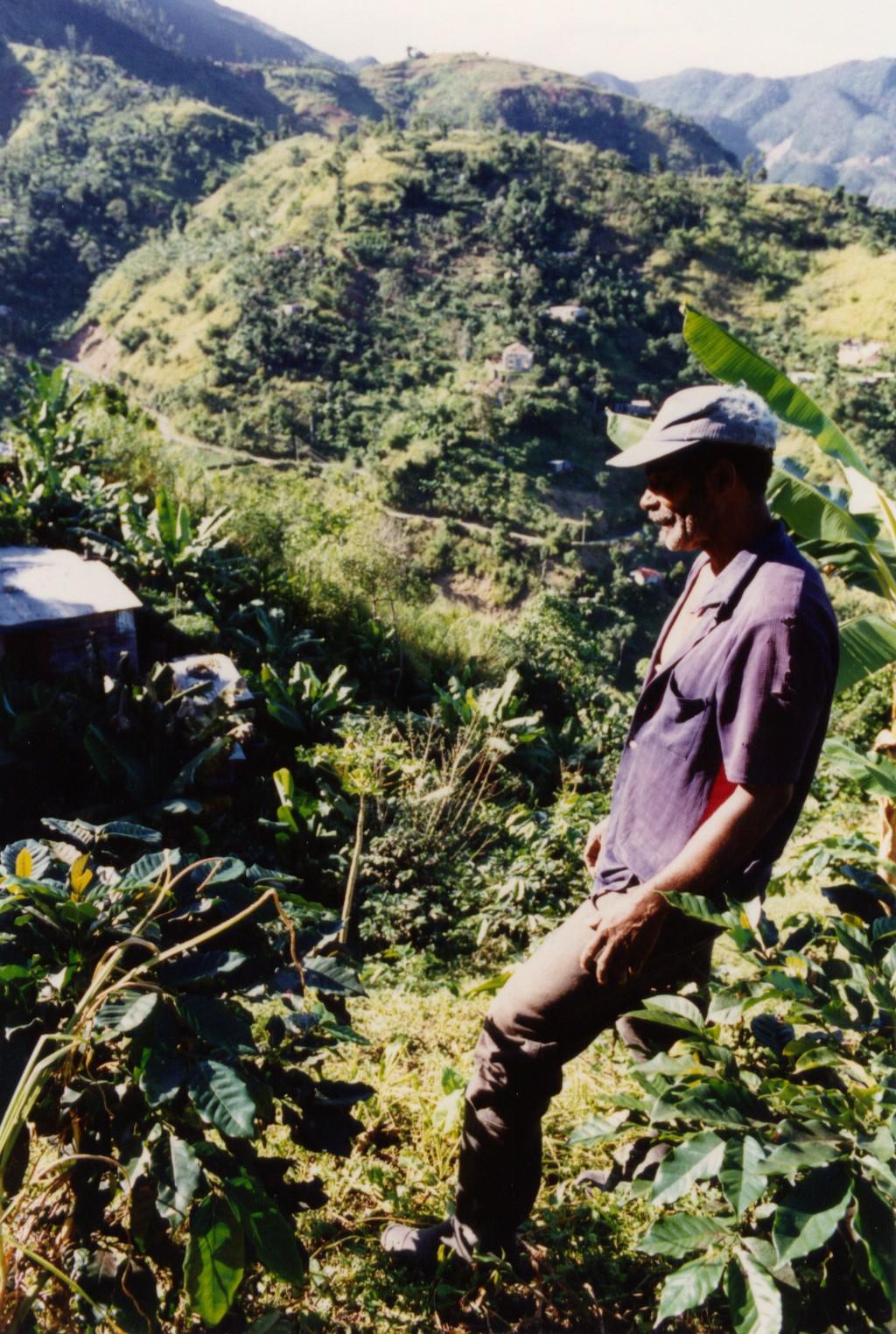
The short version
Bank of Jamaica Governor proposed halving risk weights on qualifying climate-resilient farm loans. The bank sees an opportunity to reduce the impact of future supply disruptions on food prices.
Central bank proposes a lower risk weight
The Bank of Jamaica is considering a reduction in the capital banks need to hold against eligible loans for climate-resilient farming. Governor outlined the proposal on November 23 as the bank looks for ways to reduce the effect of storms and drought on food prices. The qualifying assets could include solar-powered drip irrigation, water storage, greenhouses built to better withstand hurricanes, cold and dry storage, farm roads and drainage.
The Jamaica Observer reported that current risk weights on agricultural loans range from 50 to 150 per cent. Under the example described, a qualifying exposure would move from a 100 per cent weight to 50 per cent. The amount the borrower owes would stay the same. The balance the bank counts towards its , which help determine , would fall.
Projects would need independently verified physical assets with a clear resilience benefit. Lenders would continue to assess borrowers’ ability to repay. have heard about the plan and detailed discussions are still ahead. Internal assessment, legal review and the required approvals remain. The BOJ would track whether banks pass the benefit on through the volume or terms of credit.
, and the cost of food
said banks have tended to prefer they can sell readily, such as real estate and vehicles. This can leave farmers with sound businesses but few assets that qualify for a loan. The BOJ is separately studying whether technology, used with businesses’ permission, could help lenders assess their and reduce the cost of monitoring smaller loans.
The case for farm investment starts with the weight of food in household budgets. Food accounts for about a third of the . The BOJ found in 25 years of data that world food-price shocks had bigger and more persistent effects on Jamaican than comparable movements in oil or alumina. The Observer cited hurricanes Beryl and Melissa and worsening conditions as sources of pressure on farms.
said better-protected harvests and storage could limit farmers’ losses and the risk that they fall behind on loans following a disaster. A steadier supply could also help local farms meet hotel demand and cut some reliance on imports. The central bank offered to convene public agencies, lenders and other stakeholders to discuss barriers to financing and coordinate work already under way.
Rate rises address the pressure now
The monetary policy committee separately raised its by 50 to 6.50 per cent, effective November 19, its second consecutive move of that size. Food, transport and electricity costs contributed to October’s 8.2 per cent annual . That was down from 8.6 per cent in September and still above the 4–6 per cent for a fifth month.
Business for the next 12 months rose to 8.3 per cent in September from 7.3 per cent in July. The bank expects to exceed target for most of the coming four quarters before returning sustainably by late 2027. It considers the rate increases enough to bring back within range if current conditions hold. The financing proposal would take longer to work because farmers first have to borrow, build and put the new infrastructure into use.
Understand this story
Understand why a banking rule can change how much room lenders have to finance a farm.
- Risk-weighted assets
Giving an eligible loan a 50 per cent weight instead of 100 per cent would reduce the amount counted in the bank’s risk calculation.
- Bank capital
A lower regulatory weight can reduce the loss-absorbing capital a bank must have against an eligible loan.
- Credit risk
The ability of a borrower to repay still matters when a farm asset qualifies for a lower capital charge.
Sources and reporting notes
- 1. Jamaica ObserverBOJ moves to unlock farm credit in inflation fight (opens in a new tab)
- 2. Bank of JamaicaSummary of Decisions – November 2026 (opens in a new tab)
What remains unclear
Which projects will qualify under the final rules and what terms lenders will offer farmers.
Which sources support each point?
Bank of Jamaica Governor R. Brian Langrin described a proposal on November 23, 2026 to halve regulatory risk weights on qualifying loans for physical climate-resilient farm investments, including solar-powered drip irrigation, water storage, reinforced greenhouses, cold and dry storage, farm roads and drainage.
The Jamaica Observer reported current weights ranging from 50 per cent to 150 per cent. An eligible loan now weighted at 100 per cent could move to 50 per cent, reducing risk-weighted assets and the bank capital required against the exposure.
The plan awaits internal assessment, legal review and necessary approvals. Deposit-taking institutions have been alerted but detailed discussions have yet to take place. The proposal retains ordinary borrower checks and calls for independent verification of physical assets and a clear resilience component. The BOJ would monitor whether the relief reaches borrowers.
Langrin said banks have favoured easily sold collateral such as real estate and vehicles. The central bank is separately examining how lenders might use technology to assess the cash flow of smaller businesses, with their permission, to lower monitoring costs and improve access to credit.
Food is about one-third of Jamaica's consumer price index. The BOJ's research covering 25 years found global food-price shocks had larger and longer-lived effects on Jamaican inflation than comparable moves in oil or alumina prices. The report cited hurricanes Beryl and Melissa and intensifying El Niño conditions as pressures on agricultural production.
Langrin said investment might cut crop losses and loan distress after disasters, improve the reliability of food supplies to tourism and reduce some reliance on imported food. The BOJ offered to convene government agencies, lenders and other stakeholders to discuss agricultural credit and resilience.
The monetary policy committee raised its policy rate by 50 basis points to 6.50 per cent, effective November 19, 2026. October's 8.2 per cent annual inflation was down from September's 8.6 per cent. Food, transport and electricity contributed. October was the fifth straight month above the target ceiling. The bank expects inflation above range for most of the next four quarters and a more lasting return by late 2027.
The Jamaica Observer reported an inflation target of 4–6 per cent and business inflation expectations for the next 12 months of 8.3 per cent in September, up from 7.3 per cent in July. The BOJ thinks its rate increases can bring inflation back within range if conditions do not worsen. The farm proposal targets future supply shocks and would take longer to have an effect.
Loading discussion…