
Bangladesh garment wage talks stall as protests shut factories
Reported Nov 17, 2026Quickanomics write-up updated Nov 17, 2026, version 13 min read
Follow the developing story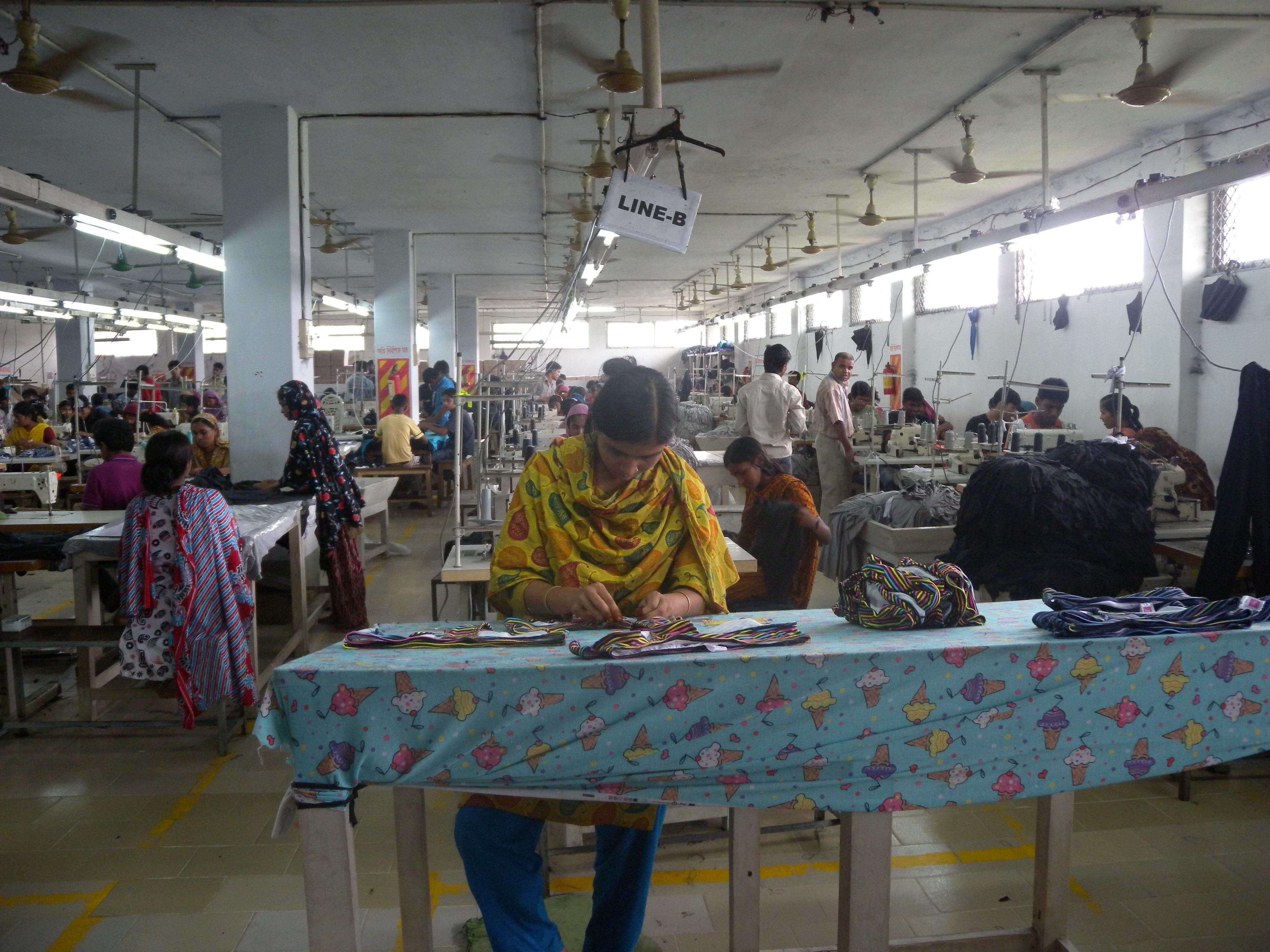
The short version
Bangladesh’s garment dispute has brought highway clashes, factory closures and pressure to restart wage negotiations, while the demanded 30,000-taka minimum remains unsettled.
Wage talks stall as street protests spread
Bangladesh’s garment wage dispute spilled into fresh clashes on November 17, with police firing tear gas and stun grenades at thousands of protesting workers after a negotiating meeting was postponed.
Al Jazeera, reporting with AFP, said protesters threw bricks, burned vehicles and blocked the highway linking Dhaka with Mymensingh. Tensions also ran high in Savar and Ashulia, two garment-producing areas on the capital’s outskirts. The unrest over pay began in October.
Workers are seeking a of 30,000 taka, about US$240, compared with the current 12,500 taka. The proposed increase is 140%. It remains a demand being negotiated, rather than a new pay rate already agreed or in force.
Workers cited the cost of food, housing, transport and healthcare. The dispute combines pressure on household budgets with production interruptions in an industry central to Bangladesh’s overseas sales.
Closures expose workers to lost pay
Sources told AFP that about 500 of the country’s 4,500 garment factories were shut. That figure describes the reported stock of closures during the unrest; it does not establish that all those factories closed for the first time on Tuesday.
The report said the country’s labour laws include a no-work-no-pay provision allowing factory owners to suspend operations and withhold wages when production is disrupted. Closure can therefore leave workers facing an immediate loss of income while the longer-term wage demand remains unsettled.
A 24-year-old worker identified by AFP only as Khanom said owners appeared unwilling to meet the demand and were delaying. Another worker, Rakib, 28, said employees wanted to return to their machines but feared that their concerns might not be reflected in the revised proposal.
Rakib said most factories opened on Tuesday morning and subsequently shut as protests spread to the highway. His account describes the disruption workers experienced; it sits alongside AFP’s broader estimate of factory closures.
November 23 meeting is the next negotiating date
The government set up a wage board earlier in November with representatives of employers and workers to negotiate a rise. According to the report, a new minimum would be announced in December and take effect in January 2027. The eventual amount had not been settled.
A source at the Bangladesh Garment Manufacturers and Exporters Association told AFP that the meeting due on Monday, November 16, was postponed after a worker representative said he was unwell. The board said the next meeting would be held on November 23.
The manufacturers’ association and the Bangladesh Knitwear Manufacturers and Exporters Association jointly called for negotiations to restart as soon as possible. Their appeal comes as factory shutdowns interrupt the process of turning a wage demand into an agreed pay structure.
A major export industry and a larger security presence
Bangladesh is the world’s second-largest garment exporter after China. The industry generates about US$38 billion a year, employs more than four million people and supplies major brands including Fruit of the Loom and Levi Strauss, according to the account.
Border Guard Bangladesh said it stepped up patrols across the industrial zone after Tuesday’s protests, deploying hundreds of personnel. It said headquarters was monitoring the situation through a dedicated cell and that drones, body-worn cameras and other devices were being used to observe demonstrations.
The immediate timetable now leads to the board’s November 23 meeting. Workers’ demand, the eventual decision and the date a revised wage takes effect remain separate stages of the pay-setting process.
Sources and reporting notes
- 1. Al JazeeraBangladesh police clash with garment workers amid protests over wages (opens in a new tab)
What remains unclear
What monthly minimum will the wage board ultimately recommend?
Which sources support each point?
On November 17, 2026 police used tear gas and stun grenades against thousands of Bangladeshi garment workers protesting a postponed wage-board meeting. Protesters hurled bricks, burned vehicles and blocked the Dhaka–Mymensingh highway. Tensions also affected Savar and Ashulia.
Workers sought a minimum monthly wage of 30,000 taka, approximately US$240, versus the current 12,500 taka: a 140% increase. They cited rising food, housing, transport and healthcare costs. The demand was not an agreed wage.
Bangladesh is the second-largest garment exporter after China, supplying brands including Fruit of the Loom and Levi Strauss. The industry generates about US$38 billion annually and employs more than four million people. Unrest began in October 2026.
Sources told AFP about 500 of 4,500 garment factories were shut. The report describes a no-work-no-pay labour-law provision allowing owners to suspend operations and withhold wages when production is disrupted. This is a reported sector-wide closure estimate, not a count of closures newly ordered that Tuesday.
A 24-year-old worker identified only as Khanom told AFP owners were delaying the pay demand. Rakib, 28, said workers wanted to return to their machines but feared the board might not reflect their concerns; he said most factories opened that morning and then shut as highway protests spread.
The government established a wage board with employer and worker representatives earlier in November to negotiate an increase. The report said a new minimum would be announced in December and take effect in January 2027. The amount remained unresolved.
The Bangladesh Garment Manufacturers and Exporters Association and Bangladesh Knitwear Manufacturers and Exporters Association jointly called for negotiations to resume promptly. A BGMEA source told AFP Monday November 16’s meeting was postponed after a worker representative said he was unwell. The board said its next meeting would be November 23.
Border Guard Bangladesh said it intensified patrols, deploying hundreds of personnel across the industrial zone and monitoring demonstrations from a headquarters cell with drones, body-worn cameras and other devices.
Loading discussion…