
Loading the context…
Loading the context…
Reported Oct 13, 2026Quickanomics write-up updated Oct 13, 2026, version 13 min read
Follow the developing story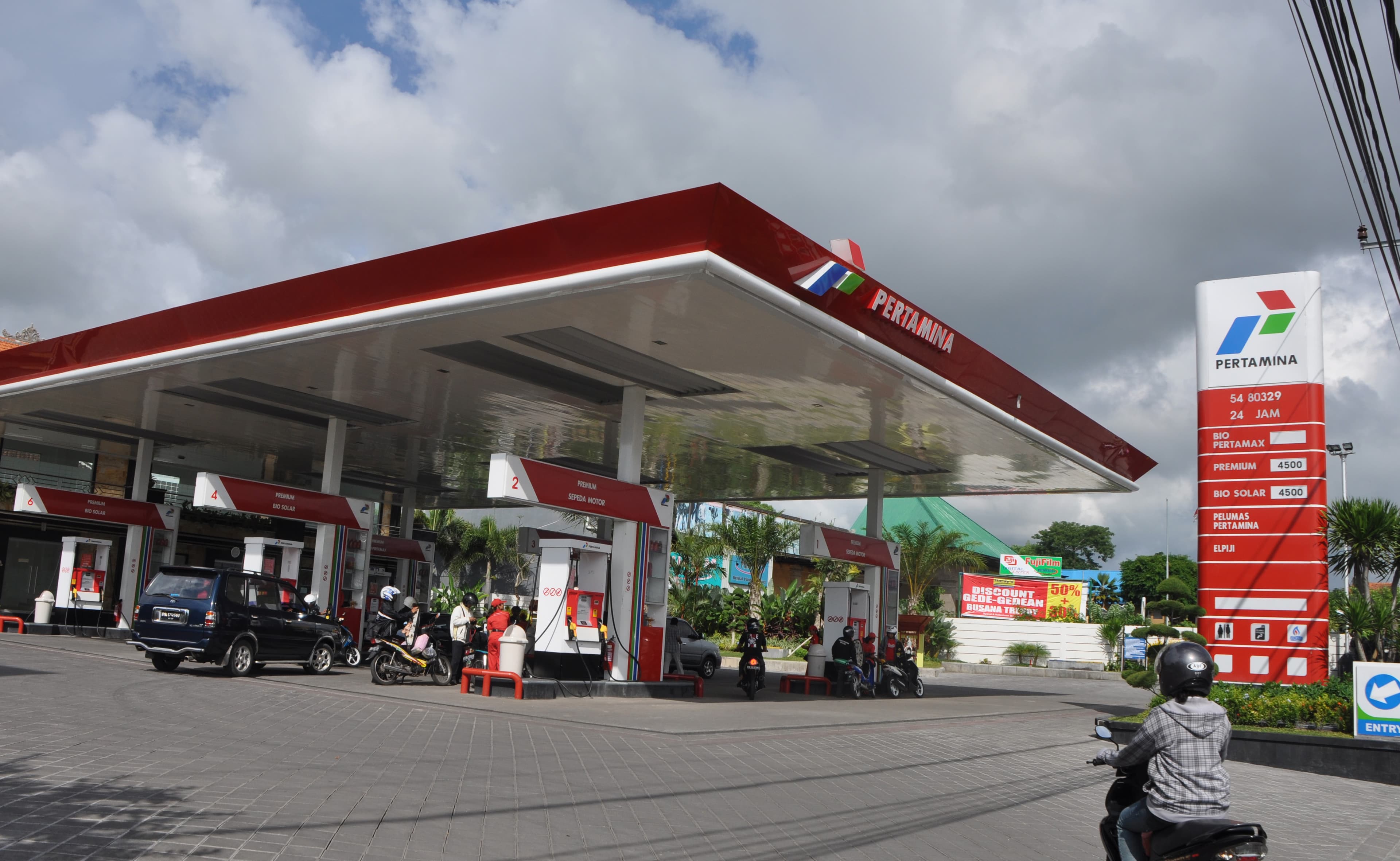
Fuel queues are disrupting work and visitor transport in Bali as delivery delays and higher consumption strain supply, while electric-motorbike rental demand rises.
Bali’s fuel shortage is disrupting work and visitor transport, with queues continuing on October 13 despite an earlier assurance that the situation was under control. The Business Times reports that the disruption began on October 11 and affected Denpasar, Badung and stations near I Gusti Ngurah Rai International Airport.
Queues spilled onto public roads, with congestion on Tuban Road toward the airport. Some motorists were forced to push vehicles after running out of fuel. The disruption continued after governor ’s October 12 assurance that it had been brought under control, according to Antara reporting cited by the newspaper.
The delays affect productive work as well as holidays. , a Sanur resident operating a catering business, told The Business Times she waited almost three hours to refuel her motorbike, interrupting her food-delivery work.
Diving operator and a foreign guest spent nearly two hours at a petrol station on October 13 after an airport pickup. The wait put their onward boat connection to Nusa Penida at risk. Informal roadside fuel sellers also raised prices, adding to costs for residents and businesses.
Local reports linked the disruption to tanker delays and changes to delivery schedules. Tribun Bali reported that delayed Pertamina tankers at the Sanggaran and Manggis terminals had interrupted supplies to stations amid strong demand.
Pertamina Patra Niaga, the distribution arm of state-owned Pertamina, attributed the shortage to higher consumption in Bali, which averages about 2,200 a day. A is a volume unit used for larger quantities of liquid.
The company said it was monitoring fuel stocks and consumption and stepping up distribution after tankers arrived. It said deliveries were being adjusted according to each area’s stock levels and use.
The Business Times reports about five million foreign tourists in Bali during the first half of 2026. It also reports about US$10.7 billion in tourism-related earnings from abroad in 2025, roughly 55% of Indonesia’s total tourism receipts of that kind, citing the statistics agency for the earnings figures.
Motorbikes, cars and private drivers connect visitors with destinations beyond the main resort areas. The delays therefore affect tourists alongside the drivers, guides and smaller businesses that transport them.
The shortage is increasing interest in electric-motorbike rentals. Operator said daily inquiries had risen to more than a dozen from the normal one or two requests per week. She said the increase began on October 12, with interest from Tabanan, Kuta and Ubud.
Jasmine raised her daily rental rate from 150,000 rupiah to 195,000 rupiah, reported as US$10.90, and required a minimum three-day booking. Those prices and conditions describe her business’s response to demand, rather than the entire rental market.
The disruption comes as Indonesia, a net oil importer, faces volatile international markets. Local reports also described fuel shortages and long queues in Makassar, South Sulawesi.
, chief executive of energy-policy think tank Institute for Essential Services Reform, said higher oil prices associated with the Middle East conflict had raised fuel purchasing and distribution costs, putting additional pressure on Pertamina’s . That measure concerns money coming in and going out, rather than only a company’s reported profit.
Tumiwa said recurring shortages were not solely a distribution problem and required immediate attention. His assessment adds a financial-cost concern to the delivery and consumption explanations given for Bali’s disruption.
Loading discussion…