
Australia and Singapore sign essential supplies and carbon storage agreements
- Prime Minister of AustraliaAustralia–Singapore Annual Leaders’ Meeting 2026 joint statement (opens in a new tab)
- Prime Minister of AustraliaAustralia and Singapore leaders’ press conference at Parliament House, Canberra (opens in a new tab)
- Singapore Ministry of Energy, Trade and IndustrySingapore Ministry of Energy, Trade and Industry factsheet on the Essential Supplies MOU (opens in a new tab)
Reported Nov 24, 2026Quickanomics write-up updated Nov 24, 2026, version 13 min read
Follow the developing story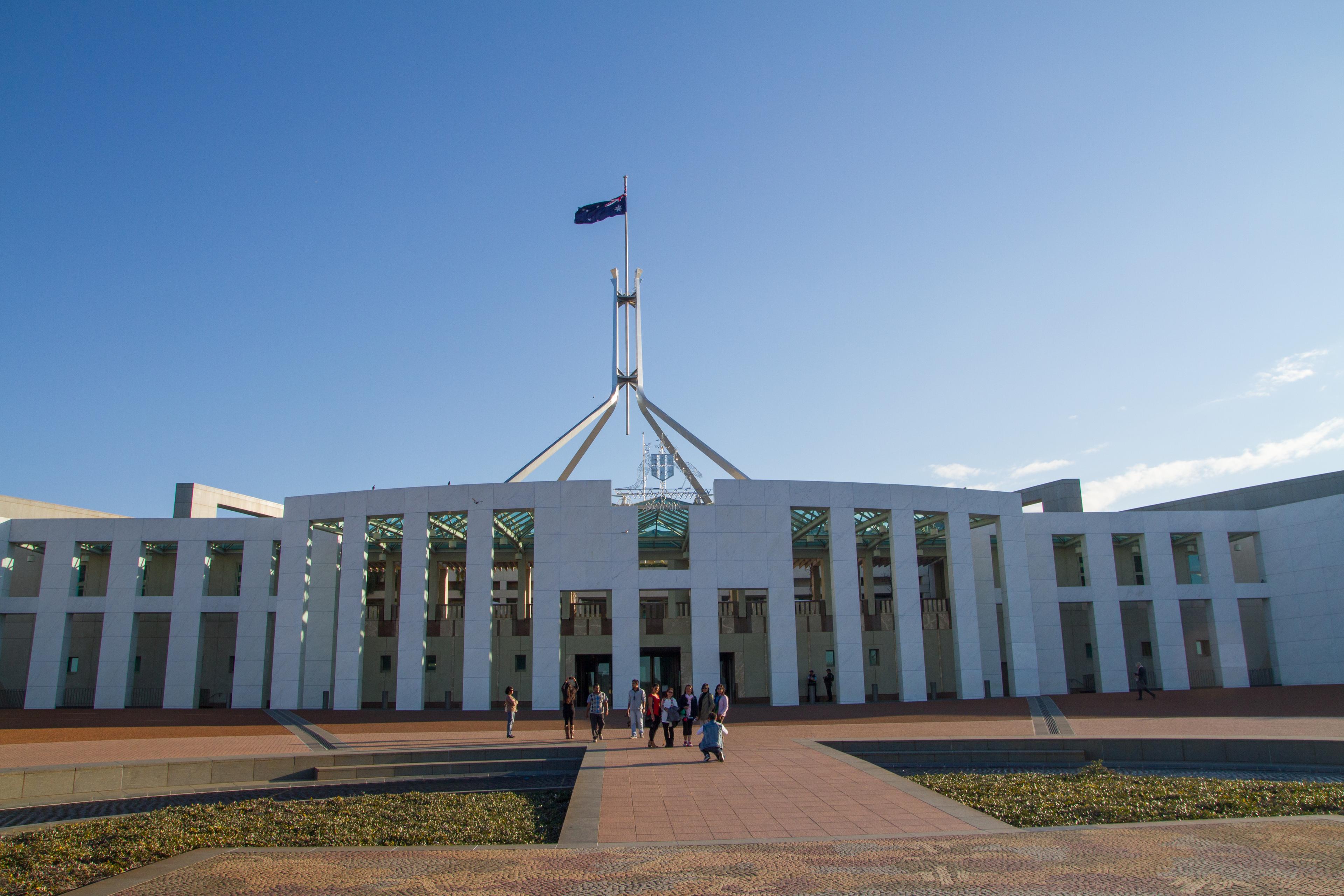
The short version
The Canberra meeting produced a pact to keep more essential goods flowing and a treaty on moving carbon dioxide from Singapore for permanent storage under the seabed in Australian waters.
A wider plan for supply disruptions
Australia and Singapore signed an essential supplies pact and a separate agreement for offshore carbon storage at their 11th annual leaders’ meeting in Canberra on November 24. Australian Prime Minister and Singapore Prime Minister and Finance Minister set out the two agreements at Parliament House.
In April, disruption linked to the Middle East crisis prompted both governments to cooperate on fuel flows. They signed a protocol to the Singapore–Australia on July 27. It concerns agreed essential items including petroleum oils such as diesel and . The governments undertake to try to avoid adopting or maintaining export restrictions on agreed items. The protocol provides for advance notice, consultations and the review and withdrawal of measures. It is to take effect after both sides complete domestic procedures.
The new extends supplies cooperation to areas including food, pharmaceuticals and medical products, farm chemicals and fertilisers, construction materials, fuel and additives, technology, , telecommunications equipment, traffic signals and water treatment chemicals. Wong described the arrangement as a way to keep trade flowing the next time supplies are disrupted.
A handover rule for captured carbon
The treaty sets a framework for transporting captured carbon dioxide from Singapore to Australia for permanent storage in geological formations beneath the seabed. Singapore is to measure the quantity and composition before export and send the results to Australia before each shipment. The stream is measured again when first offloaded in Australian jurisdiction. Singapore accounts for emissions and any losses before that point. The accounting responsibility passes to Australia at and after it. That second measurement determines the amount transferred and the amount Singapore can report as emissions avoided under the and related reporting rules.
The treaty leaves individual operations subject to permits and sets out each country’s responsibilities for authorising them. It will enter into force on the 30th calendar day after the last formal notice that domestic procedures are complete. A joint committee will discuss where handover happens, how measurements are verified and how information is shared. Wong called the arrangement a route for industries seeking to reduce emissions. said it could attract investment to Australia.
Technology, electricity and aviation
The leaders also agreed to work on safety and international standards for . Wong announced plans for the Getting to Zero Co-Innovation programme, intended to help firms develop and sell lower-emissions products and services. Their statement cited continued work on green shipping and cross-border electricity trade. Aviation authorities are to continue discussions about updating their air services agreement, following the inaugural Singapore Airlines flight to Western Sydney International Airport.
The leaders welcomed the substantive conclusion of negotiations to renew the Oakey Treaty on helicopter training in Queensland. Australia backed Singapore’s 2027 chairmanship of the Association of Southeast Asian Nations, which Wong said offers room to extend some cooperation to other countries in the region.
Understand this story
Distinguish an existing trade agreement from a further supplies memorandum, then see why the separate carbon treaty needs rules for storage and measurement.
- Free trade agreement
The existing agreement between the two countries. The July protocol adds arrangements for selected essential supplies.
- Memorandum of understanding
The November instrument sets out how the governments aim to cooperate on a broader list of goods during supply disruptions.
- Carbon capture and storage
Capturing carbon dioxide and isolating it in long-term storage. The treaty sets out transport and reporting rules for streams captured in Singapore and stored off Australia.
Sources and reporting notes
- 1. Prime Minister of AustraliaAustralia–Singapore Annual Leaders’ Meeting 2026 joint statement (opens in a new tab)
- 2. Prime Minister of AustraliaAustralia and Singapore leaders’ press conference at Parliament House, Canberra (opens in a new tab)
- 3. Singapore Ministry of Energy, Trade and IndustrySingapore Ministry of Energy, Trade and Industry factsheet on the Essential Supplies MOU (opens in a new tab)
- 4. Australian Government Department of Foreign Affairs and TradeSingapore–Australia agreement on offshore geological storage of carbon dioxide (opens in a new tab)
What remains unclear
When will both sides complete the domestic steps for the July trade protocol and the new carbon storage treaty?
Where will carbon dioxide change hands under the shipping arrangement?
Which sources support each point?
Lawrence Wong and Anthony Albanese met in Canberra on November 24, 2026 for the 11th annual meeting and announced two signed pacts on supplies and offshore carbon storage.
The July 27, 2026 protocol to the Singapore–Australia Free Trade Agreement builds on April fuel cooperation and covers petroleum oils and liquefied natural gas.
The July protocol commits both parties to endeavour to avoid export restrictions on agreed goods and provides for notification, consultation, review and withdrawal. Domestic procedures are required before it enters into force.
The new supplies memorandum extends cooperation to food, agriculture, construction, fuel, medicine, renewable energy, semiconductors, telecoms, traffic signals and water treatment supplies.
The signed treaty covers carbon dioxide captured in Singapore and shipped for permanent storage beneath the seabed under Australian jurisdiction. Domestic permit rules remain in place.
Singapore accounts for emissions before handover and Australia from first offloading in its jurisdiction. Both measure the quantity and composition, and the handover reading determines transferred responsibility and the amount Singapore can report as abated.
The carbon storage treaty takes effect on the 30th day after the final notice of completed domestic procedures. A joint committee will coordinate some implementation issues.
The leaders also announced work on AI standards and low-emissions innovation, welcomed work on shipping and power connections, and confirmed plans to review air service terms after the first Singapore Airlines flight to Western Sydney International Airport.
The leaders welcomed concluded negotiations on renewing the Oakey Treaty and Australia’s support for Singapore’s 2027 chairmanship of the Association of Southeast Asian Nations.
Loading discussion…