
Andrew Holness says Jamaica approves exploratory AI-infrastructure memorandum
Reported Nov 16, 2026Quickanomics write-up updated Nov 16, 2026, version 12 min read
Follow the developing storyDana Morris Dixon says no AI-investment deal has been concluded and describes Cabinet’s water and grid limits for the exploratory discussions. Read the current version
The short version
says Jamaica has approved an exploratory -infrastructure memorandum with investors; the facility type, funding and timetable remain undisclosed.
An exploratory agreement
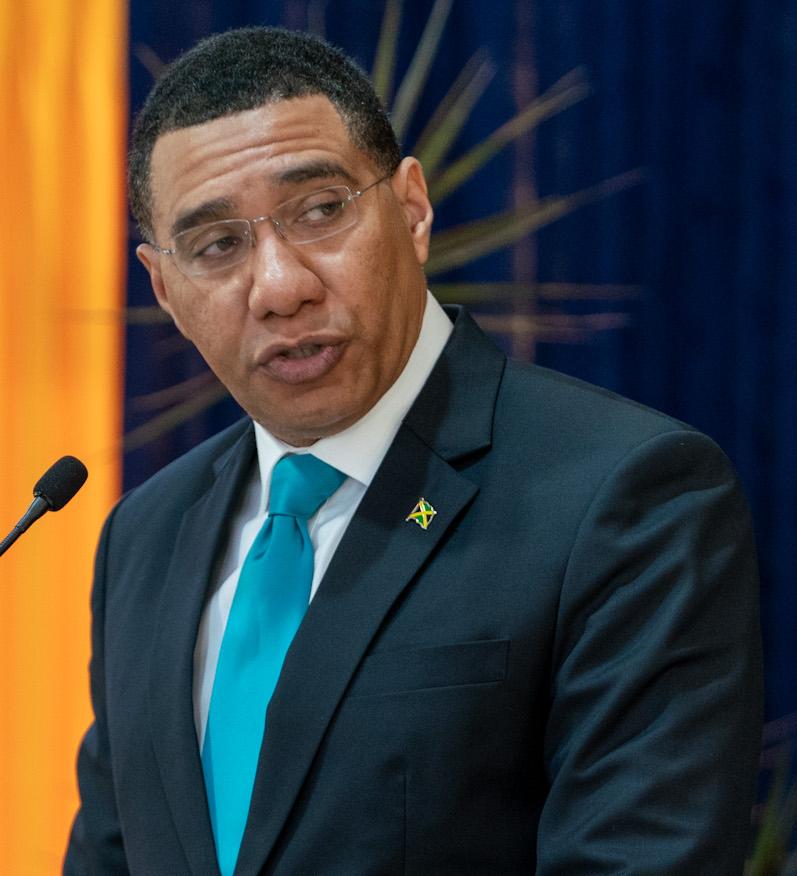
Prime Minister says Jamaica’s Government has approved a with a group of investors to explore the establishment of artificial-intelligence infrastructure. The announcement puts a potential investment relationship on the public agenda without identifying a specific facility.
Holness spoke on Sunday, November 15, at the Jamaica Labour Party’s annual conference in Montego Bay, St James, according to reporting by Lynford Simpson for the Jamaica Observer. The scaled-back conference took the form of a special delegates meeting.
He did not identify the investors, disclose the amount of investment under consideration or give a construction timetable. Nor did he say whether the memorandum envisages . Those omissions leave the scope of the infrastructure proposal open.
covers computer systems used for tasks such as pattern recognition, prediction and generating content. A is a physical facility containing servers, network connections and supporting power and cooling systems. The broader infrastructure label alone does not specify whether Jamaica would host such a facility.
A role in producing technology
Holness said he wanted Jamaica to participate in creating the technology rather than remain solely a consumer. He connected that objective to the prospect of jobs for young Jamaicans in an economy increasingly shaped by .
The employment claim was an ambition for the initiative, rather than an announcement of positions already created or recruitment beginning. No job total accompanied the statement. With the project’s facilities and funding unspecified, its eventual scale remains unresolved.
A sets out an intended relationship or shared objectives; its legal force depends on the actual text and the circumstances. Government approval to pursue an arrangement should therefore be read alongside the limited project details disclosed, rather than treated as a completed infrastructure investment.
The prime minister placed the proposal in a longer argument about Jamaica’s economic development. He said the country had missed earlier opportunities associated with the industrial revolution and the digital revolution of the 1950s and had subsequently needed to catch up.
His message to delegates was that the same pattern should not recur with . The announcement establishes the Government’s intention to pursue infrastructure discussions, while leaving the investors’ identities, the form of the proposed assets and the timetable to be explained.
Understand this story
Distinguish the proposed technology activity from the physical infrastructure it may require.
Sources and reporting notes
- 1. Jamaica ObserverGov’t approves MOU for creation of AI infrastructure in Jamaica, says Holness (opens in a new tab)
What remains unclear
Who are the investors, and what infrastructure, investment amount and timetable does the memorandum envisage?
Which sources support each point?
Andrew Holness said Jamaica’s Government had approved a memorandum of understanding with a group of investors to explore artificial-intelligence infrastructure. He spoke on Sunday, November 15, 2026, at the Jamaica Labour Party conference in Montego Bay, St James; the scaled-back event was a special delegates meeting.
The announcement did not say whether the memorandum covered AI data centres. It did not identify the investors, an investment amount or a construction timetable.
Holness said Jamaica should help create artificial-intelligence technology rather than only consume it, and linked the initiative to prospective jobs for young Jamaicans.
Holness argued that Jamaica had previously missed opportunities from industrialisation and the digital revolution of the 1950s and should avoid repeating that experience with AI.
Loading discussion…