
Amazon’s large AWS capacity blocks largely committed through 2027, Jassy says
Reported Oct 23, 2026Quickanomics write-up updated Oct 24, 2026, version 12 min read
Follow the developing story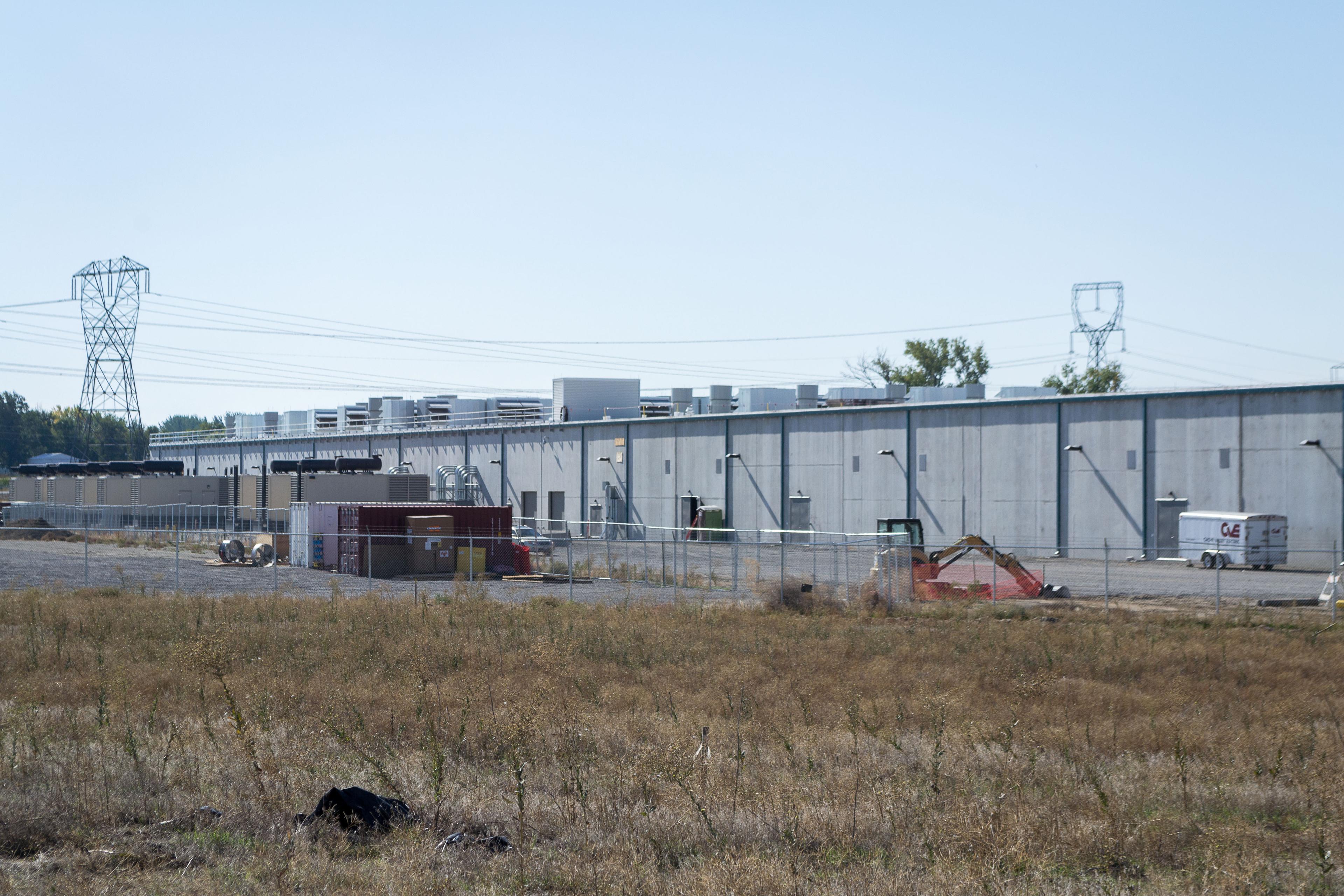
The short version
AWS’s large computing-capacity blocks are largely sold through 2027, Jassy says, but Amazon continues reserving resources for on-demand use.
Demand reaches into the next planning years
Amazon chief executive says the company’s -computing capacity is largely committed through 2027, with a substantial part of 2028 already booked as artificial-intelligence laboratories and enterprises seek more infrastructure.
In an Andreessen Horowitz video podcast reported by Reuters and carried by CNA on October 23, Jassy said Amazon Web Services was struggling to keep pace with demand. He described 2026 capacity as sold out and large blocks for 2027 as largely sold.
The qualification is central to what customers can infer. Jassy said AWS always leaves some capacity available for on-demand use and services including Bedrock and EC2. His comments concern the large blocks being committed ahead of time, rather than an announcement that all services have closed to new use.
allow customers to use remote computing resources rather than provide every server themselves. house the physical computing and supporting systems, while customers access the services over a network.
A large company spending plan
Amazon had earlier put planned 2026 at about US$220 billion. is investment in long-lived assets; the reported figure concerns Amazon as a company and is not specified as an AWS-only allocation.
Jassy said Amazon could invest more without making poor use of capital, given the demand and commitments he described. His assessment connects the company’s willingness to spend with customers reserving computing resources years ahead.
EC2 supplies servers for running applications. Bedrock gives developers access to models for building generative- applications. Those services help explain why a reserve for ongoing use can coexist with large advance commitments.
Amazon is scheduled to release third-quarter results on October 29.
Understand this story
Connect remote computing services with the long-lived assets needed to supply them.
- Cloud services
AWS provides computing resources remotely; advance reservations differ from services available on demand.
- Data centre
Physical servers and supporting infrastructure house the computing capacity behind cloud services.
- Capital expenditure
Amazon’s reported US$220 billion plan concerns long-lived assets in 2026 and is not described as an AWS-only allocation.
Sources and reporting notes
Which sources support each point?
Reuters’ October 23, 2026 report carried by CNA says Amazon CEO Andy Jassy described Amazon Web Services cloud-computing capacity as largely sold out through 2027, with significant commitments for 2028, driven by demand from artificial-intelligence laboratories and enterprise customers. He spoke in an Andreessen Horowitz video podcast.
Jassy said cloud capacity for 2026 was already sold out and the large blocks for 2027 were largely committed. He qualified that statement by saying AWS always holds some capacity for on-demand use and services including Bedrock and EC2; a substantial portion of 2028 was committed.
Amazon had earlier said it planned about US$220 billion of capital expenditure for 2026. Jassy said the company could invest more without that being a poor use of capital given demand. The reported spending plan concerns Amazon, not an allocation solely to AWS.
EC2 provides cloud servers on which customers run applications. Bedrock provides access to AI models for building generative-AI applications. The report says Amazon is scheduled to publish third-quarter results on October 29, 2026.
Loading discussion…