
Africa–Caribbean study identifies US$1.65 billion potential and costly trade barriers
- Business DayBusiness Day: Africa and Caribbean eye $1.65bn trade opportunity (opens in a new tab)
- South African GovernmentSouth African Government: response to withdrawal of AGOA benefits (opens in a new tab)
- WebDisclosureAfreximbank via WebDisclosure: Africa and Caribbean trade potential could reach $1.65 billion annually by 2030 (opens in a new tab)
Reported Nov 9, 2026Quickanomics write-up updated Nov 9, 2026, version 13 min read
Follow the developing story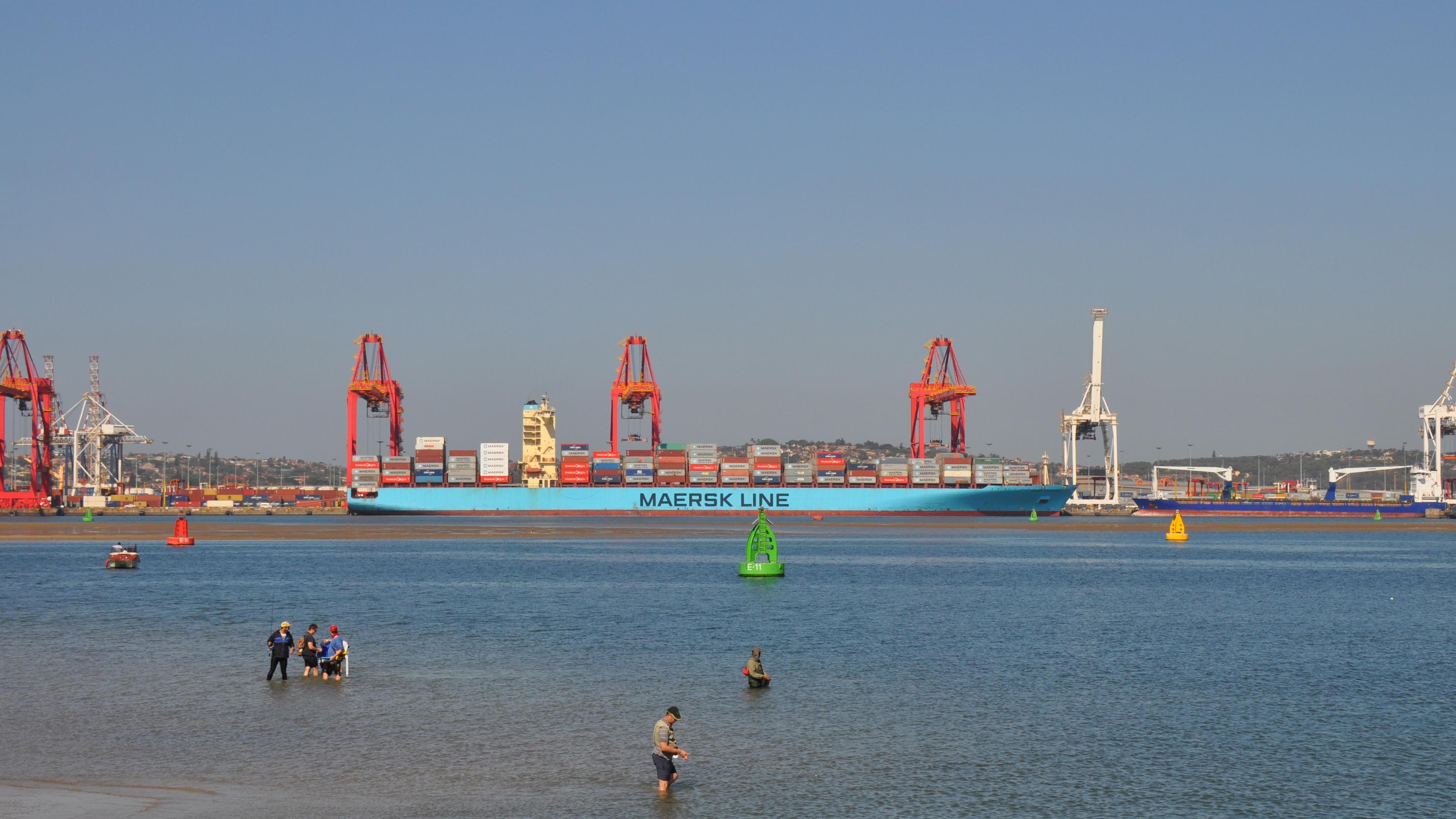
The short version
An ITC–Afreximbank study sees up to US$1.65 billion in annual Africa–Caribbean trade by 2030, but high freight costs, and weak connections limit the opportunity.
The study identifies an uneven opportunity in each direction
Annual trade in goods and services between Africa and the Caribbean could reach up to US$1.65 billion by 2030, excluding mineral fuels, if the regions actively promote and facilitate trade and investment, an ITC–Afreximbank study estimates.
Business Day’s November 9 report puts the amount at about R27 billion in South African rand. The figure describes conditional trade potential, rather than current commerce or a commitment by buyers to place orders.
The study was launched on November 3 in St John’s, Antigua and Barbuda, alongside the Commonwealth Heads of Government Meeting. It combines trade and analysis, detailed sector assessments and a survey of 1,175 businesses and business support organisations.
About 80% of Africa’s annual goods to the Caribbean remains untapped. The ITC indicator estimates potential goods exports of US$539 million a year by 2030, with about 20% already realised.
Caribbean goods exports to Africa have estimated annual potential of US$499 million, with about 82% already realised. These directional goods estimates have a narrower scope than the headline total, which includes services as well as goods.
The priority sectors are processed food and animal feed; chemicals; minerals and metals; apparel and textiles; leather and footwear; tourism; transport services; and creative industries. The report sees commercial fit between what the regions can supply and what buyers demand.
Existing trade is concentrated and expensive to move
South Africa, Algeria and Nigeria together account for almost 60% of African exports to the Caribbean. The Dominican Republic, Cuba and Jamaica are the principal destinations. In the reverse direction, the Bahamas and Trinidad and Tobago provide most exports, with Morocco, Zimbabwe and Ivory Coast the main African destinations.
Historical and cultural connections have only partly translated into sustained commercial relations. The report identifies market-access, transport, information and institutional constraints that increase the cost and risk of doing business across distant markets.
Neither region enjoys preferential access to the other. African exporters face high in horticultural, plant-product and selected manufacturing categories; Caribbean exporters face high in several African agricultural and manufacturing sectors.
Freight is another cost. Estimated are 19.8% for African exports to the Caribbean and 21.8% for Caribbean exports to Africa. Ad valorem means relative to value: these are transport costs expressed against the value of goods, rather than customs duty rates.
For African shipments, bulky and relatively low-value minerals and metals partly explain the large value-relative burden. For Caribbean exporters, the report points more directly to limited shipping routes, low cargo volumes and weak transport integration.
The recommended response differs between the regions
The study argues that African firms with productive capacity need help overcoming information gaps, compliance costs and weak commercial networks, while preparing to meet future demand. Those are tasks that go beyond announcing a market opportunity.
For Caribbean goods exporters, the smaller remaining gap between realised and potential trade supports more targeted action for specific products and markets, rather than a broad promotional campaign.
An earlier ITC report explored the relationship in 2022. Since then, geopolitical tension, supply-chain disruption, climate-related shocks and concerns over food, energy and economic security have increased the importance of diversified partnerships.
The latest launch followed Washington’s decision to withdraw South Africa’s preferences. The South African government confirms an intended effective date of January 1, 2027; the benefits had not already ended when Business Day published its analysis.
is the , a US programme providing duty-free access for eligible African goods. South Africa’s search for alternatives also includes more balanced ties with Brazil, India and China, alongside markets beyond the US and Europe.
The study’s recommendation is therefore practical and conditional: reduce the barriers that keep firms apart, while recognising that the size and nature of the remaining opportunity differ across the two directions of trade.
Understand this story
Read the conditional export estimate, then distinguish shipping costs from import taxes.
- Export potential
The 2030 values describe conditional opportunities rather than current trade; the two goods directions have very different realised shares.
- Ad-valorem freight rate
The 19.8% and 21.8% estimates compare freight with goods value and are distinct from tariffs.
- Tariff
Import taxes are one market-access barrier identified by the report, separate from shipping costs.
Sources and reporting notes
- 1. Business DayBusiness Day: Africa and Caribbean eye $1.65bn trade opportunity (opens in a new tab)
- 2. South African GovernmentSouth African Government: response to withdrawal of AGOA benefits (opens in a new tab)
- 3. WebDisclosureAfreximbank via WebDisclosure: Africa and Caribbean trade potential could reach $1.65 billion annually by 2030 (opens in a new tab)
Which sources support each point?
A report by the International Trade Centre and Afreximbank estimates annual Africa–Caribbean trade in goods and services could reach up to US$1.65 billion, about R27 billion, by 2030, excluding mineral fuels, if trade and investment are actively promoted and facilitated. It is conditional potential, not current measured trade.
Business Day reported on November 9, 2026 that around 80% of Africa’s annual goods export potential to the Caribbean remains untapped. The ITC export potential indicator puts Africa-to-Caribbean goods potential at US$539 million annually by 2030, about 20% currently realised, and Caribbean-to-Africa goods potential at US$499 million, about 82% realised.
The findings combine trade and export-potential analysis, sector assessments and a survey of 1,175 businesses and business support organisations. An earlier ITC report in 2022 also examined these links. Geopolitical tensions, supply-chain disruption, climate shocks and food, energy and economic-security concerns have strengthened the case for diversified partnerships.
Priority opportunities include processed food and animal feed; chemicals; minerals and metals; apparel and textiles; leather and footwear; tourism; transport services; and creative industries.
South Africa, Algeria and Nigeria account for almost 60% of African exports to the Caribbean, principally to the Dominican Republic, Cuba and Jamaica. The Bahamas and Trinidad and Tobago account for most Caribbean exports to Africa, principally to Morocco, Zimbabwe and Ivory Coast.
The report attributes limited trade to market access, connectivity, information and institutional constraints, rather than a lack of fit between African supply and Caribbean demand. Neither region has preferential access to the other; exporters face high tariffs in several agricultural and manufacturing categories.
Estimated ad-valorem freight rates are 19.8% for African exports to the Caribbean and 21.8% in the reverse direction. These express freight costs relative to goods value, not customs tariffs. Bulky, relatively low-value minerals and metals partly explain Africa’s rate; limited direct routes, low volumes and weak transport integration constrain Caribbean shipments.
The report favours helping African firms overcome information gaps, compliance costs and weak business networks while preparing for future demand. With much more of Caribbean goods potential already realised, it argues for targeted products and markets rather than broad-based promotion.
The report’s launch followed Washington’s decision to withdraw South Africa’s AGOA preferences, increasing attention to alternative export markets. South Africa is also seeking stronger and more balanced ties beyond the US and Europe, including Brazil, India and China.
The South African Government said on November 2, 2026 that the US had given advance notice of its intention to withdraw South Africa’s AGOA benefits effective January 1, 2027. The preferences had not already ended on November 9.
Afreximbank’s distributed release says the ITC–Afreximbank report was launched on November 3, 2026 in St John’s, Antigua and Barbuda, alongside the Commonwealth Heads of Government Meeting. It reiterates the conditional US$1.65 billion annual goods-and-services potential by 2030, excluding mineral fuels, the 80% untapped African goods potential and survey of 1,175 businesses and support organisations.
Loading discussion…